More than two decades after becoming one of the most unforgettable contestants in American Idol history, Clay Aiken is opening up about the comment from Simon Cowell that nearly defined his journey before it even began.
For millions of viewers watching Season 2 of American Idol, the moment was unforgettable.
A shy young man from North Carolina walked into the audition room with glasses, a nervous smile, and little resemblance to the polished pop stars dominating television at the time. Before he even had the chance to fully prove himself, Simon Cowell delivered a brutally honest assessment that instantly became one of the show’s most talked-about moments.
“You don’t look like a pop star.”
At the time, the comment stunned viewers.
But now, more than 20 years later, Clay Aiken says there was far more happening behind the scenes than audiences ever realized.

The Audition That Changed Everything
When Clay Aiken first appeared on American Idol in 2003, he didn’t fit the traditional mold of what the music industry considered a “star.”
He wasn’t flashy.
He wasn’t overly confident.
And he didn’t walk into the room looking like a celebrity.
In fact, many people underestimated him immediately.
Even the judges seemed unsure at first. Simon Cowell, already famous for his brutally blunt critiques, questioned whether Aiken had the image needed to succeed in mainstream pop music. The comment quickly became one of the defining early moments of the season and fueled the underdog narrative that would follow Clay throughout the competition.
But then he sang.
The second Aiken opened his mouth, everything changed.
His powerful voice, emotional delivery, and natural sincerity instantly won over both the judges and viewers at home. What began as skepticism rapidly turned into shock — and eventually admiration.
Week after week, America watched the quiet contestant evolve into one of the most beloved performers the show had ever seen.
America Fell in Love With the Underdog
Part of what made Clay Aiken’s journey so emotional was that fans saw themselves in him.
He didn’t appear untouchable or manufactured. He looked like someone who had spent years being overlooked, underestimated, or told he didn’t belong in the spotlight. That relatability became one of his greatest strengths.
As the competition continued, his fanbase exploded.
Viewers connected deeply with his vulnerability, humility, and undeniable talent. Concert venues filled with screaming fans. Online communities rallied behind him. And suddenly, the contestant once told he didn’t “look like a pop star” had become one of the biggest phenomena in the country.
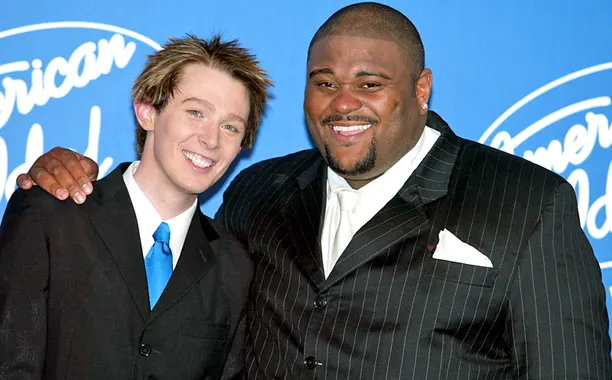
Although Aiken ultimately finished as the runner-up to Ruben Studdard, many fans still consider him one of the defining stars of the early American Idol era.
Simon Cowell’s Tough Reputation
At the height of American Idol’s popularity, Simon Cowell became famous for delivering harsh critiques that contestants — and audiences — never forgot.
His comments could be brutal, shocking, and sometimes deeply personal.
For many viewers, Cowell appeared cold and impossible to impress. But according to Clay Aiken, the full story wasn’t always shown on television.
Looking back now, Aiken admits that while Simon’s comments were often blunt, there was also kindness behind the scenes that audiences rarely saw.
He explained that Cowell was sometimes far warmer off-camera than his on-screen persona suggested, and that the reality of their relationship was more supportive than viewers might expect.
That revelation has surprised many longtime fans who only remember the harsh audition moments broadcast to millions.
A Comment That Became Motivation
Instead of letting Simon’s criticism destroy his confidence, Aiken ultimately used it as motivation.
Over the years, his career proved that success in entertainment isn’t always about fitting a perfect image. His voice, personality, and connection with audiences became far more powerful than any stereotype about what a “pop star” should look like.
Following American Idol, Aiken released successful albums, toured internationally, appeared on Broadway, and remained a recognizable figure in entertainment and public life for years.
More importantly, his story became inspirational to countless fans who had also been told they weren’t attractive enough, cool enough, or polished enough to chase big dreams.
Why Fans Still Remember Clay Aiken’s Story
Even after more than 20 years, Clay Aiken’s American Idol journey continues to resonate because it represents something timeless:
The idea that talent can silence doubt.
In an industry often obsessed with appearance, branding, and image, Aiken’s rise reminded audiences that authenticity still matters. His success challenged assumptions about who gets to become a star — and proved that emotional connection can be stronger than image alone.
Today, many fans look back on Simon Cowell’s original comment not as a moment of failure, but as the beginning of one of American Idol’s greatest underdog stories.
And perhaps that’s why the moment still matters after all these years.
Because the young man once told he didn’t “look like a pop star” ended up becoming unforgettable anyway.