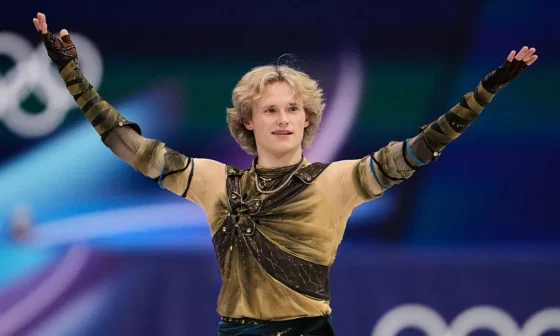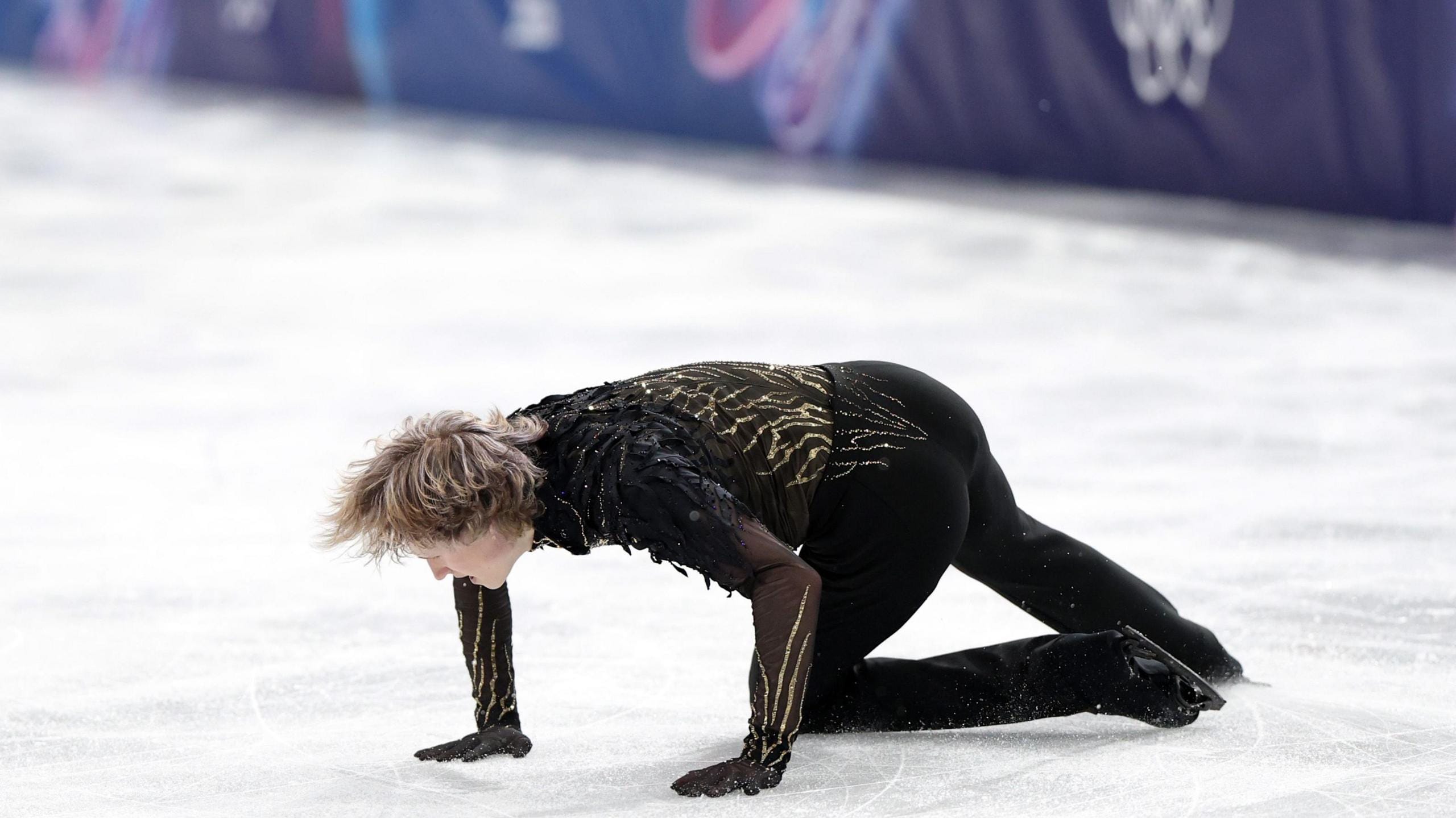
After a stunning setback that many fans dramatically labeled an “Olympic curse,” Ilia Malinin is already looking ahead. The free skate that was meant to solidify his dominance instead became a moment of harsh reality for the skater known worldwide as the “Quad God.” But if there is one thing Malinin has consistently shown, it is resilience.
The pressure surrounding his Olympic performance was immense. As the only skater to successfully land the quadruple Axel in competition, expectations weren’t just high — they were historic. Every jump carried the weight of global anticipation. When mistakes crept into his free skate, the shock rippled through the arena and across the skating world.
For an athlete who built his reputation on pushing technical boundaries, the disappointment cut deep. Malinin later admitted that the moment affected him more than he expected. The Olympics are unlike any other stage — brighter lights, louder stakes, and zero room for hesitation. Even the most prepared competitors can feel the magnitude.
Still, labeling it a “curse” may oversimplify what happened. The Olympics have humbled legends before. Figure skating history is filled with favorites who stumbled under pressure only to return wiser and stronger. Malinin now joins that long list of athletes shaped — not defined — by adversity.
In interviews following the event, he spoke candidly about the emotional toll. There was frustration, of course, but also clarity. Rather than dwell on what went wrong, Malinin has chosen to analyze the experience as a lesson in growth. He understands that dominance is not built solely on flawless jumps, but on mental endurance.
At just the beginning of his Olympic journey, time is firmly on his side. The 2030 Winter Games in France offer a new horizon. Four years in elite skating can transform an athlete physically and psychologically. For someone already redefining technical limits, the next chapter could be even more powerful.
Training adjustments are expected, particularly in balancing technical risk with composure. Malinin’s signature quads will remain central to his strategy, but maturity in presentation and consistency may become his greatest weapons. Champions are often forged in moments of vulnerability, and this experience may sharpen his competitive edge.
Fans have responded with overwhelming support. Social media quickly shifted from shock to encouragement, with many reminding him that one performance does not erase years of groundbreaking achievements. The “Quad God” nickname wasn’t earned overnight — and it certainly isn’t erased by a single skate.
France now looms as a symbol of redemption. The image of Malinin returning to Olympic ice, stronger and steadier, is already taking shape in the imagination of skating fans. The narrative has shifted from disappointment to anticipation.
The Olympic stage can break hearts, but it can also build legends. For Ilia Malinin, the story is far from finished. If anything, the setback may mark the beginning of a more complete champion — one determined to transform a painful lesson into a triumphant return in 2030.