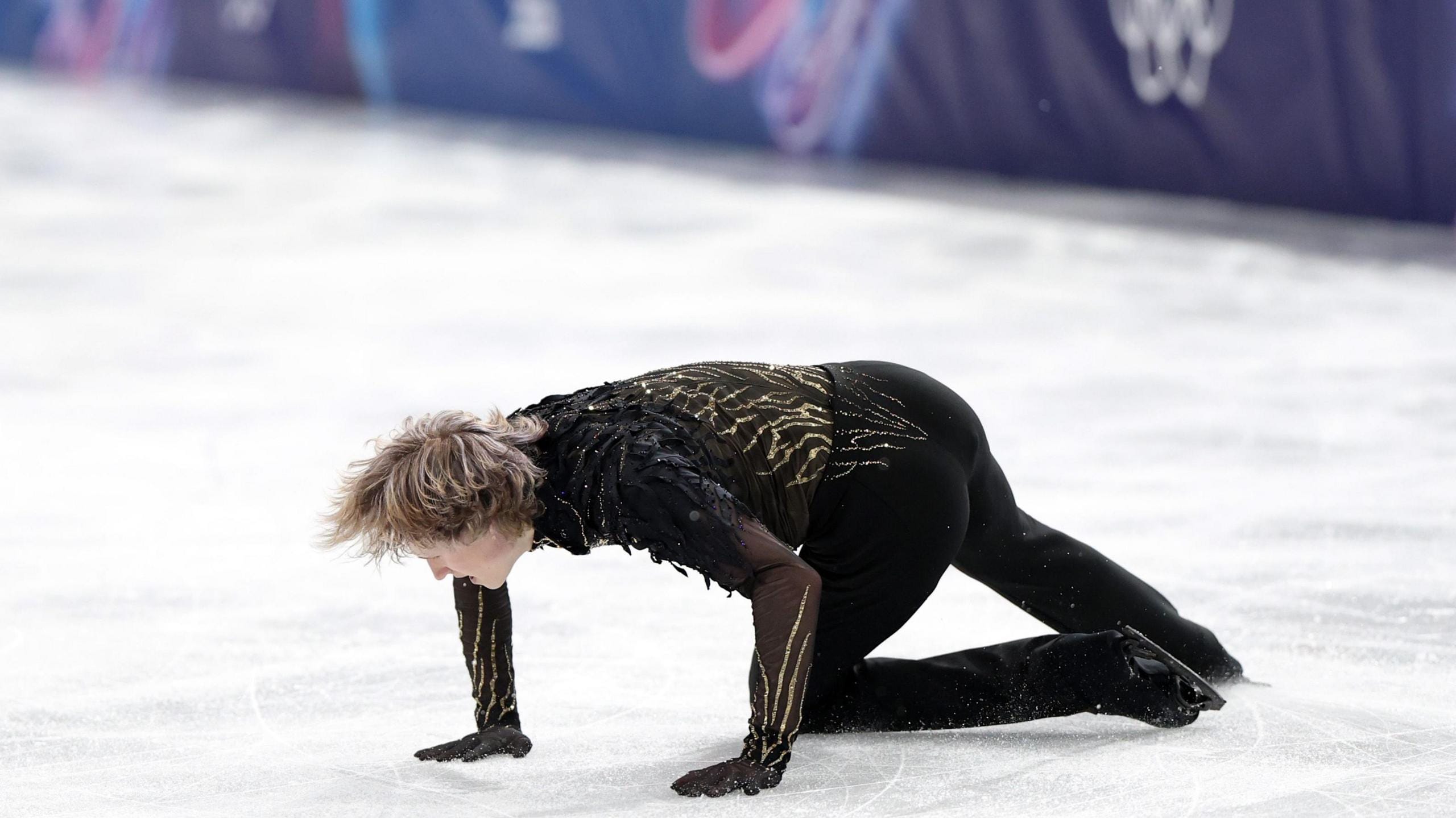
Ilia Malinin entered the 2026 Winter Olympics as the reigning “Quad God,” a skater known for redefining technical limits. But after two costly falls in the free skate, the night ended in a way few expected — an eighth-place finish that stunned fans around the world.
The disappointment on the ice was visible. What followed online added another layer.
In the days after the competition, Malinin quietly reposted a series of reflective TikToks that touched on feelings of exhaustion, self-doubt, and the pressure of trying to live up to expectations. One message referenced feeling like a “tired little boy” who couldn’t keep fighting — words that resonated deeply with supporters.
The posts quickly circulated, prompting concern and an outpouring of encouragement from fans who have watched his rapid rise over the past few seasons. Many interpreted the shares as a glimpse into the emotional toll elite competition can take, especially under Olympic scrutiny.
Malinin has not issued a lengthy public statement beyond those reposts, and there is no indication of anything beyond an athlete processing a painful result. Still, the reaction highlights how closely audiences follow not just performances, but the human side of the sport.
At 21, Malinin remains one of figure skating’s most technically ambitious competitors. Olympic setbacks, while difficult, are not uncommon in careers that span multiple cycles.
For now, the focus among supporters has shifted from score sheets to support — reminders that behind the “Quad God” nickname is a young athlete navigating extraordinary expectations.
The falls may have altered one night’s result, but they do not define a career. And as history in sport often shows, resilience can emerge from even the most difficult chapters.