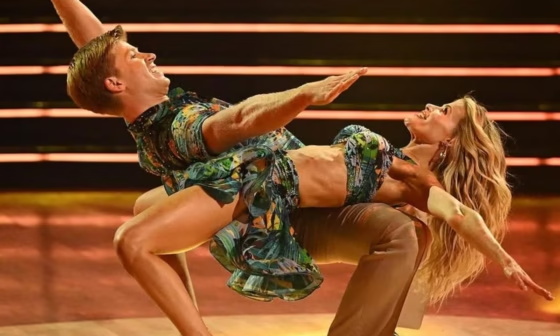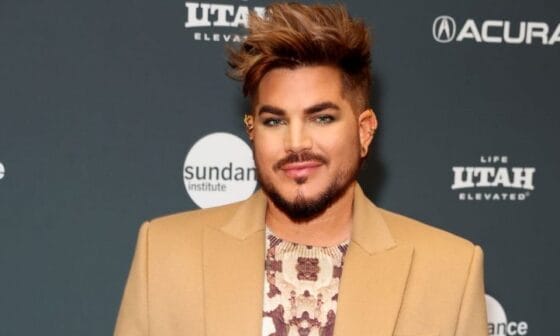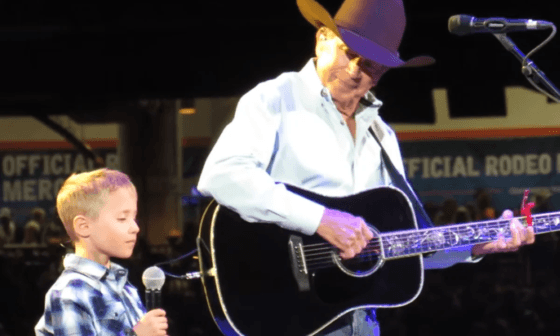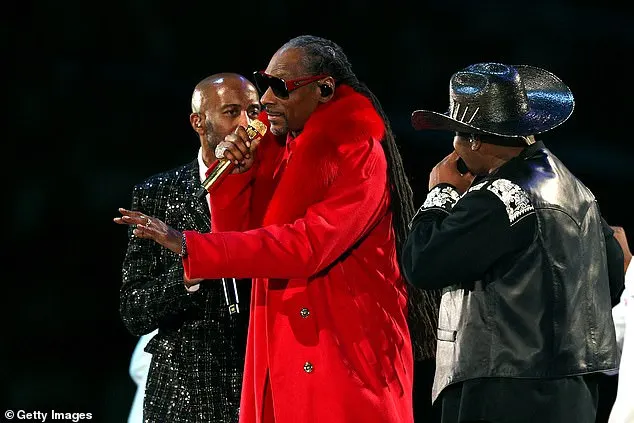
After Snoop Dogg, Lainey Wilson, Andrea Bocelli, Matteo Bocelli, and a surprise-filled lineup delivered one of the most elaborate and talked-about Christmas halftime shows in recent memory, one question immediately dominated social media: how much did they actually get paid? With fireworks, massive staging, and an unexpected mix of global superstars, fans assumed the price tag must have been enormous.
The reality, however, is far more complicated than a simple paycheck. Unlike concerts or private events, NFL halftime performances operate under a unique model that often surprises people. In many cases, artists are paid little to nothing for the performance itself — especially for regular-season or special-event halftime shows.
For major events, the NFL typically covers production costs, which can run into the millions. This includes stage design, lighting, sound, rehearsals, travel logistics, and crew expenses. The spectacle viewers see on screen is funded by the league, not by ticket sales or artist fees. The performers, meanwhile, often participate for exposure rather than a traditional performance fee.
That exposure is no small thing. NFL halftime shows reach tens of millions of viewers worldwide, instantly boosting streaming numbers, downloads, and social media engagement. For artists like Snoop Dogg or Lainey Wilson, the spike in visibility can translate into chart movement, tour ticket sales, and brand opportunities worth far more than an upfront payment.
Legendary performers like Andrea Bocelli and Matteo Bocelli are a slightly different case. While exact contracts are never made public, artists of their stature may receive appearance fees or special arrangements, particularly for holiday or crossover events. Still, even then, the sums are often far lower than what fans expect given the scale of the production.
Rumors online ranged wildly, with some claiming each artist earned millions, while others insisted they performed for free. The truth likely sits somewhere in between, depending on individual agreements, union rules, and promotional value. What’s consistent is that the NFL rarely pays headline-level concert fees for halftime appearances.
What fans often overlook is the long-term payoff. A single viral halftime moment can generate hundreds of millions of views, reignite catalog streams, and introduce artists to entirely new audiences. From a business perspective, that kind of reach can be priceless.
So while the Christmas halftime show looked incredibly expensive — and it was — most of that cost went into production, not performer salaries. The artists didn’t just deliver a show; they invested in a moment that extended far beyond the field.
In the end, the real currency wasn’t just money. It was visibility, legacy, and cultural impact. And judging by the reaction online, the return on that investment was massive.