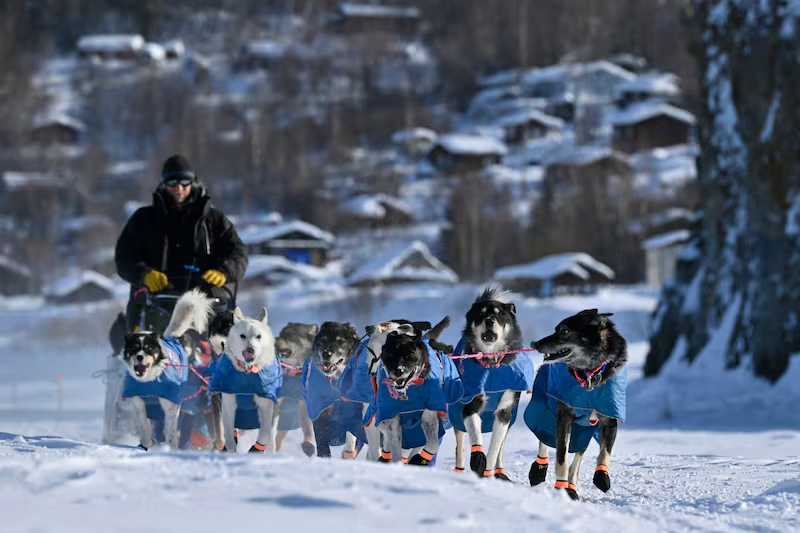
Watching the Iditarod, one question keeps coming up: how do sled dogs manage to stay on course through blizzards, whiteouts, and endless stretches of snow?
The answer isn’t just one thing — it’s a combination of instinct, training, and teamwork.
First, sled dogs rely heavily on their sense of smell. Even when fresh snow covers the trail, subtle scent markers from previous teams, the environment, and even the direction of travel can help guide them forward.
But smell alone isn’t enough in extreme conditions. That’s where memory comes in. Lead dogs, in particular, are trained to recognize trails, turns, and landmarks. Over time, they build a mental map of commonly used routes.
Mushers also play a key role. They give verbal commands like “gee” (right) and “haw” (left), helping guide the team when visibility is low or when decisions need to be made quickly.
Still, it’s not just about following orders. The best lead dogs know when not to listen.
In dangerous situations — like thin ice or unsafe terrain — a well-trained dog may refuse a command, a skill known as “intelligent disobedience.” This can prevent serious accidents and is one of the most valued traits in a lead dog.
Environmental cues also matter. Wind direction, snow texture, and even the slope of the land can help dogs sense where the trail lies beneath the surface.
What makes it truly remarkable is how all these elements come together in motion. The dogs aren’t just running — they’re constantly reading, adjusting, and responding to the world around them.
For mushers, choosing the right lead dogs is critical. These are the animals responsible for making split-second decisions that affect the entire team.
In the end, finding the trail isn’t about luck. It’s the result of skill, trust, and an incredible partnership between human and dog — one that allows them to navigate some of the toughest conditions on Earth.