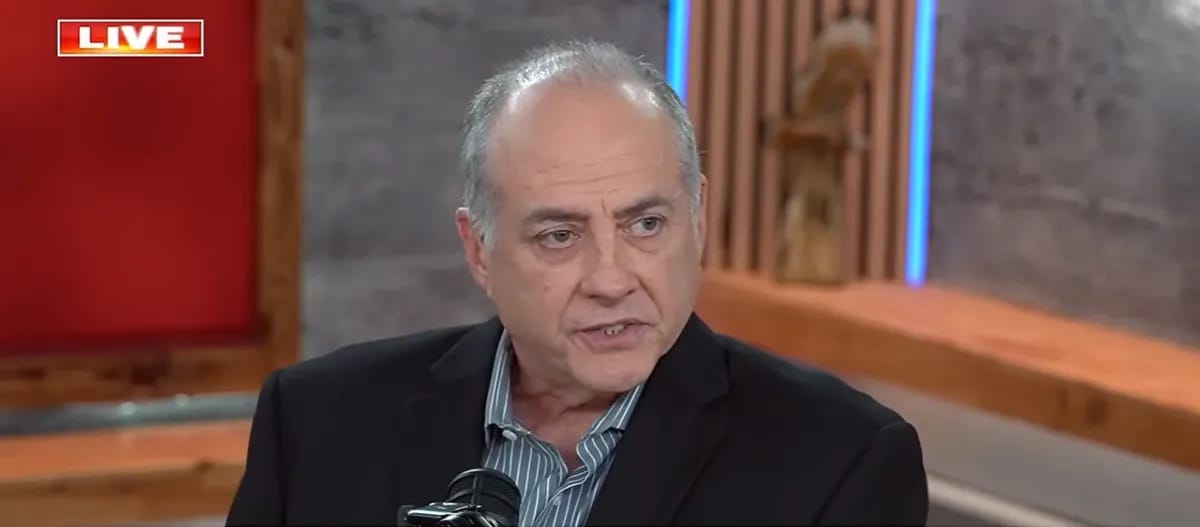
Austin Metcalf’s father is speaking out about the one thing he says he hoped for after his son’s death: accountability.
Jeff Metcalf gave an emotional interview after Karmelo Anthony was convicted in Austin’s death and sentenced to 35 years in prison. Anthony, now 19, was found guilty after the fatal confrontation at a high school track meet in Frisco, Texas, in April 2025.
For Jeff, the verdict did not bring the kind of closure people might imagine. Instead, he said the weeks after the conviction have been filled with public arguments, online commentary, and what he believes are false narratives about the case.
Speaking with Fox News’ Will Cain, Jeff said he had hoped to see remorse from Anthony’s family after the verdict. But when asked whether they had ever apologized or reached out, he said there had been nothing.
“I was hoping for some accountability, maybe, and some remorse,” Jeff said, according to reports. “Neither one was shown.”
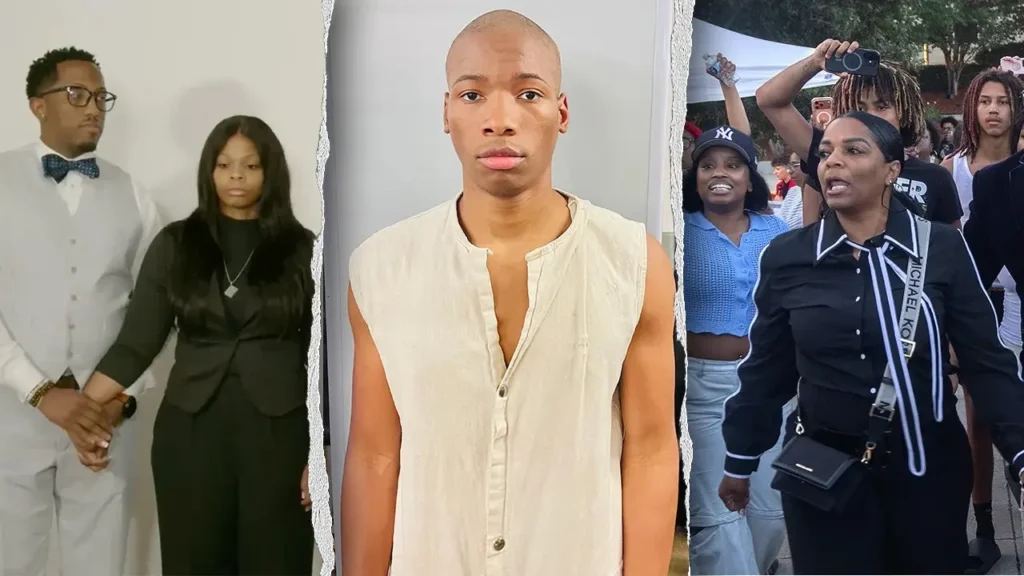
He also criticized Anthony’s family for reportedly leaving the courthouse after the guilty verdict and not being present for sentencing or victim impact statements. Jeff said that absence made the moment even more painful for Austin’s family.
The case has remained in the national spotlight because Anthony has already begun an appeal effort. Reports say a new legal team, including Texas NAACP President Gary Bledsoe, appellate attorney Russell Wilson II, and civil rights attorney Brooke Cluse, is reviewing the trial record and exploring possible legal arguments.
That appeal has only intensified the debate around the case. Anthony’s supporters argue that the jury should have viewed the confrontation through the lens of self-defense, while Austin’s family believes the trial evidence supported the conviction.
Jeff has been especially frustrated by public figures who, in his view, discussed the case without knowing what jurors actually heard in court. He criticized The View and Sunny Hostin after comments questioning the verdict and raising concerns about fairness, race, and jury composition.
“People had their own opinions without even seeing the facts,” Jeff said, arguing that misinformation made his family’s grief even harder to carry.
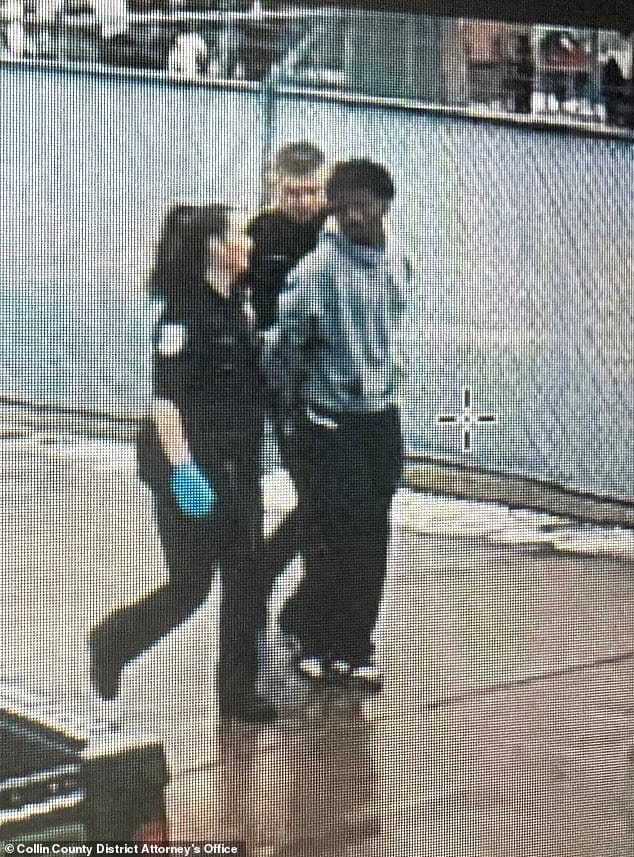
The debate grew louder after court exhibits were released, including emergency recordings, surveillance material, and police body-camera footage. One widely discussed clip reportedly captured Anthony saying, “I’m not alleged. I did it,” after an officer referred to him as an alleged suspect.
Anthony’s defense argued at trial that he acted in self-defense after Austin put his hands on him during the confrontation. Prosecutors disputed that argument, and the jury ultimately rejected the self-defense claim.
The case has also become part of a wider discussion about race and the justice system. Some supporters have argued Anthony was treated unfairly, while Jeff has repeatedly said race was never the issue for him.
Jeff said Austin’s life should not be reduced to political arguments or online talking points. He described his son as a loved teenager, a twin brother, a student-athlete, and a young man whose family is still trying to understand life without him.
He also said he had once hoped to speak with Anthony’s family in a spirit of prayer and accountability, but that moment never happened. Instead, he said the case became more divided and more public.
Now, as Anthony’s appeal begins, Jeff says his focus remains on Austin’s memory and on making sure the facts of the case are not lost in the noise. For him, the court may have delivered a sentence, but the search for accountability still feels unfinished.