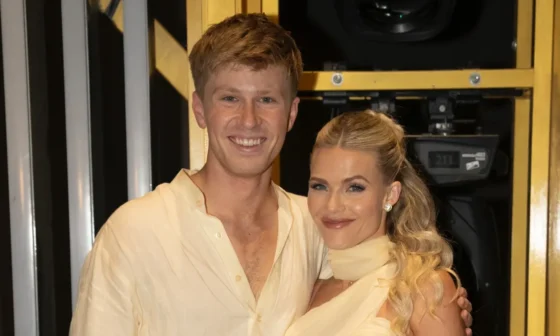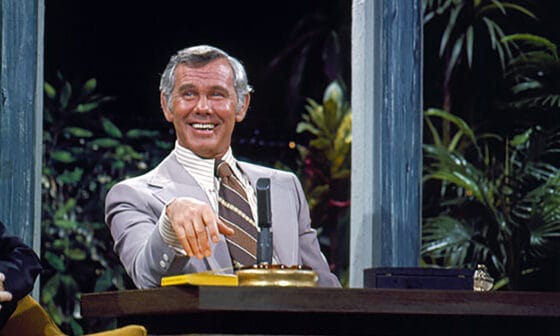
Fans of American Idol are starting to notice a pattern that’s hard to ignore. As new seasons roll out, more familiar faces from rival talent shows are stepping onto the Idol stage, instantly sparking conversation before they even sing a note.
For some viewers, these returning performers represent something inspiring. They’re artists who didn’t give up after their first shot, who kept growing, refining their voices, and coming back stronger. In that sense, Idol becomes a place of redemption rather than repetition.
Others see it very differently. Part of the show’s original magic came from discovering unknown voices — people with no television history, no fan base, and no prior exposure. When experienced contestants walk in, that sense of surprise can feel diminished.
The question of fairness quickly follows. Is it an advantage to have already performed under bright lights, faced celebrity judges, and survived national scrutiny? Or does experience simply raise the bar and force everyone else to rise with it?
Supporters argue that music careers rarely follow a straight line. Many artists need more than one opportunity to find their voice, their confidence, or the right moment. From that perspective, returning contestants aren’t gaming the system — they’re living the reality of the industry.
Critics counter that Idol isn’t meant to function as a revolving door for TV veterans. They worry that repeated exposure shifts the focus away from raw discovery and toward polished familiarity, changing the heart of the competition.
Producers haven’t directly addressed the growing debate, but the casting choices suggest a broader definition of what an “Idol” hopeful can be. Experience is no longer a disqualifier — it’s just part of the story.
Social media has only amplified the divide. Some fans cheer loudly for familiar names, excited to see how far they’ve come. Others voice frustration, asking why newcomers should compete against contestants who already know the game.
What’s clear is that the show is evolving. As audiences change and competition for attention grows, Idol seems willing to blur the line between first chances and second acts.
Whether this trend strengthens the show or reshapes it entirely remains to be seen. But one thing is certain: the conversation isn’t going away, and fans are watching more closely than ever.