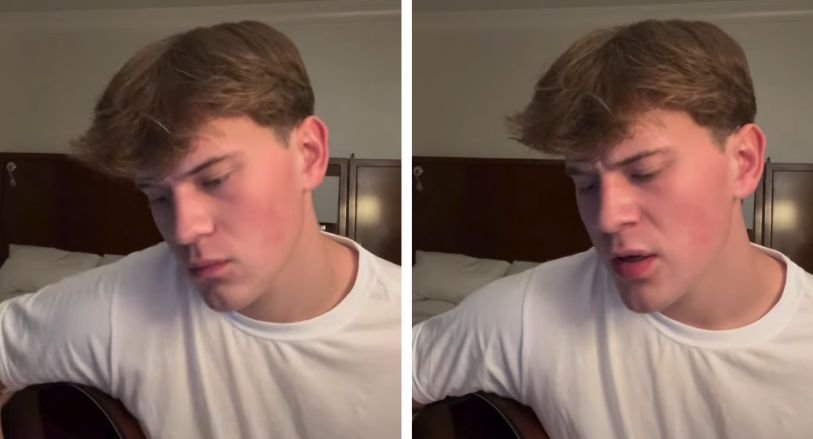
Joe Henley has once again captured the attention of country music fans after sharing an emotional home performance of “If Tomorrow Never Comes,” the beloved ballad originally recorded by Garth Brooks and later popularized internationally by Ronan Keating. The 19-year-old singer from Grand Bay, Alabama, delivered a beautifully understated rendition that allowed his rich, deep vocals to take center stage. With no elaborate production or dramatic stage effects, the performance reminded listeners why the Team Riley Green contestant has emerged as one of the most promising singers on The Voice Season 30.
The intimate recording offered a different experience from Henley’s recent performances on NBC’s popular singing competition. Rather than performing beneath bright television lights with a full musical arrangement, the young singer appeared in a simple home setting, allowing the familiar melody and his distinctive voice to carry the performance. The relaxed presentation emphasized the natural qualities that first attracted attention during his Blind Audition, giving supporters another opportunity to appreciate his musical abilities away from the pressure of live television.
Henley’s song choice also demonstrated his appreciation for country music’s storytelling tradition. “If Tomorrow Never Comes” was originally released by Garth Brooks in 1989 and became one of the most important recordings of the singer’s early career. Written by Brooks and Kent Blazy, the emotional ballad explores the importance of expressing love and appreciation for the people who matter most. Its memorable melody and sincere message helped establish the song as a lasting favorite among country music audiences.
The recording became Brooks’ first No. 1 hit on Billboard’s Hot Country Songs chart, marking a major breakthrough in the career of an artist who would eventually become one of the genre’s most successful performers. Over the years, the ballad has been recorded and performed by numerous musicians, demonstrating its ability to connect with listeners across different generations. Its relatively gentle arrangement also gives singers an opportunity to emphasize emotional interpretation rather than relying entirely on technical vocal displays.
More than a decade after Brooks released the original recording, Irish singer Ronan Keating introduced the song to another international audience. His 2002 interpretation became a major commercial success, reaching No. 1 on the United Kingdom’s Singles Chart. Keating’s version brought a polished pop sound to the familiar country ballad, helping it reach listeners who might not have been familiar with Brooks’ original recording. The song’s enduring popularity has allowed performers from different musical backgrounds to develop their own interpretations.
Henley’s latest cover brings the ballad closer to its country roots while maintaining the gentle, emotional atmosphere that has made it so recognizable. His distinctive lower register gives the melody a warm quality, while his measured phrasing allows the song’s meaning to remain the central focus. Rather than attempting to reproduce either Brooks’ or Keating’s recording exactly, the teenager presents the familiar material through his own musical personality, demonstrating the traditional country influences that have shaped his developing style.
The performance quickly attracted enthusiastic responses from supporters who appreciated the natural quality of his voice. Several listeners praised his smooth delivery and the emotional connection he created with the song. One particularly impressed fan suggested that certain parts of his singing reminded them of country legend Randy Travis, although they also recognized the distinctive qualities that make Henley’s voice his own. The comparison reflected the teenager’s growing reputation as a performer strongly influenced by classic country music.
Other supporters expressed surprise at hearing a young male country singer deliver such an emotional interpretation of the familiar ballad. One listener admitted that they were not accustomed to hearing the song performed by a male vocalist, while praising Henley’s version as beautiful. The reaction demonstrated how his interpretation introduced the recording to listeners who may have been more familiar with other arrangements. His ability to bring a fresh perspective to established material continues attracting attention.
The positive comments also included predictions about Henley’s future on The Voice. Some supporters expressed confidence that he could become the Season 30 champion, praising his distinctive voice and the sincerity he brings to his performances. One enthusiastic viewer even encouraged him to pursue a professional recording contract, suggesting that his musical abilities deserved attention beyond the television competition. Although such predictions remain personal opinions, they demonstrate the strong impression Henley has made on his growing audience.
Not every viewer believed Henley had completely demonstrated his abilities during the recent Live Shows. One supporter suggested that he had been approaching some performances too cautiously and encouraged him to display the vocal power that impressed audiences during his Blind Audition. The comment reflected a desire to hear more of his range rather than dissatisfaction with his talent. As the competition becomes increasingly demanding, supporters appear interested in seeing how Henley balances his natural restraint with the expectations surrounding major television performances.
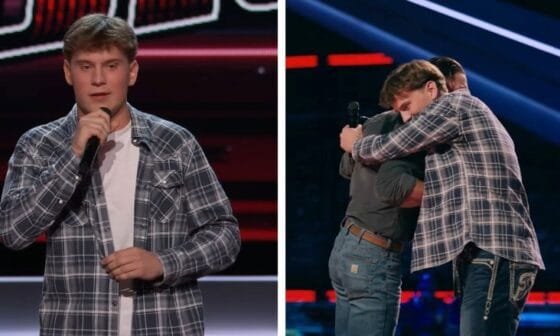
Henley’s journey on The Voice began during the September 21 premiere, when his rendition of Travis Tritt’s “Anymore” earned chair turns from Kelly Clarkson and Riley Green. Although both coaches expressed interest in mentoring him, the Alabama teenager ultimately selected Green, whose country music background closely matched his own influences. The decision led to a memorable moment when Green joined Henley onstage for an impromptu performance of “My Way,” demonstrating the musical connection that would become an important part of their coaching relationship.
The teenager continued gaining recognition during Cut Week on November 2, when he performed Keith Whitley’s “Don’t Close Your Eyes” and earned a standing ovation from all four coaches. His emotional interpretation convinced Green to select him for the Live Shows, while Clarkson expressed confidence that he could become a finalist. Henley strengthened his position again on November 16 with a rendition of Lee Ann Womack’s “I Hope You Dance.” The performance earned enthusiastic praise from Green, who highlighted the teenager’s natural abilities and continued improvement.
Henley’s latest home recording arrives as he prepares for another important challenge after successfully advancing to The Voice Season 30 Top 10. The remaining contestants will return on Monday, November 23, for a special Dolly Parton tribute episode, where Henley will have another opportunity to demonstrate his versatility and connect with viewers. With supporters comparing his voice to country legends, requesting more recordings, and predicting a successful future, the young Alabama singer is attracting attention beyond the competition. Whether performing before millions of television viewers or sharing a simple recording from home, Henley continues demonstrating that his greatest strength lies in the natural character and emotional warmth of his voice.