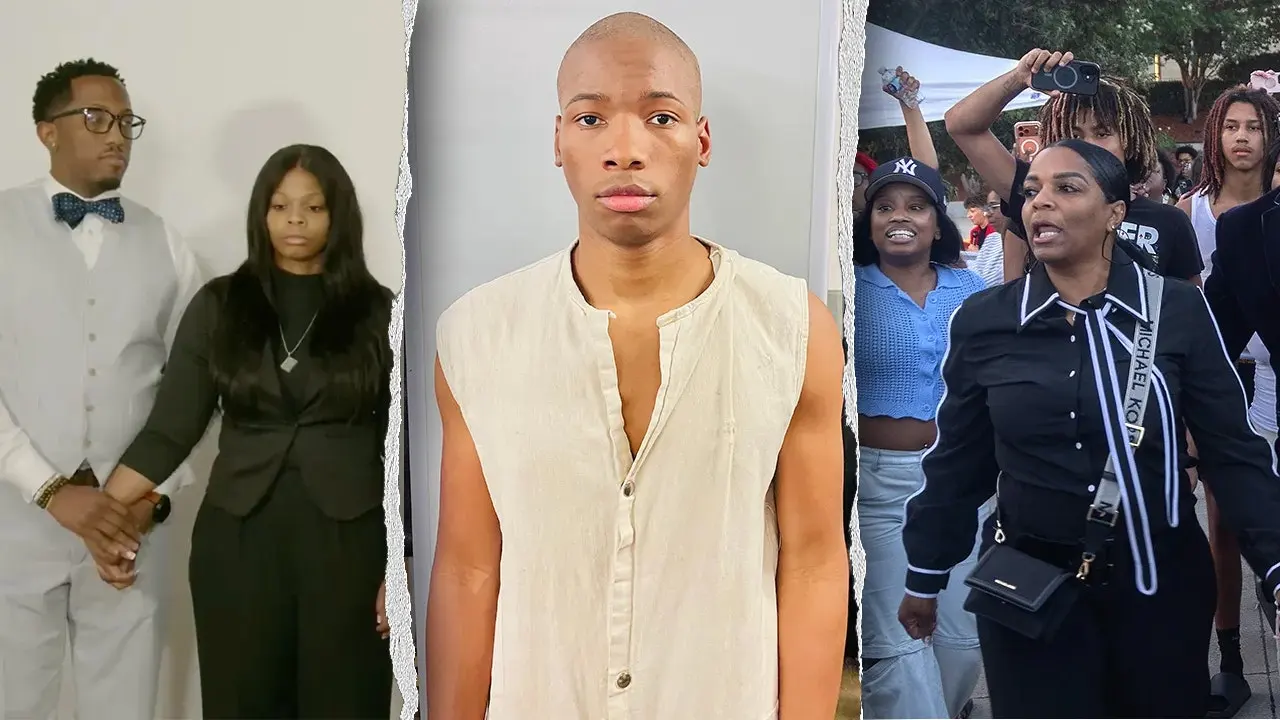
The Texas judge who presided over Karmelo Anthony’s murder trial is defending his decision to keep cameras and livestreaming out of the courtroom, saying the move was necessary to protect the fairness of the case. The ruling remains one of the most debated parts of a trial that ended with Anthony receiving a 35-year prison sentence.
Judge John Roach of the 296th District Court in Collin County said he stands by the decision, even though it angered members of the public and media who wanted live video access. He said his main responsibility was not to satisfy outside viewers, but to make sure the trial stayed fair for both sides.
Anthony, 19, was convicted of first-degree murder in the fatal stabbing of 17-year-old Austin Metcalf during a high school track meet in Frisco, Texas. The case drew national attention long before the verdict, with arguments over self-defense, race, jury selection, and public transparency.
Speaking in an interview, Roach said banning cameras was an easy decision because of the intense attention surrounding the case. He explained that allowing livestreams could have increased outside pressure and possibly affected the courtroom environment.
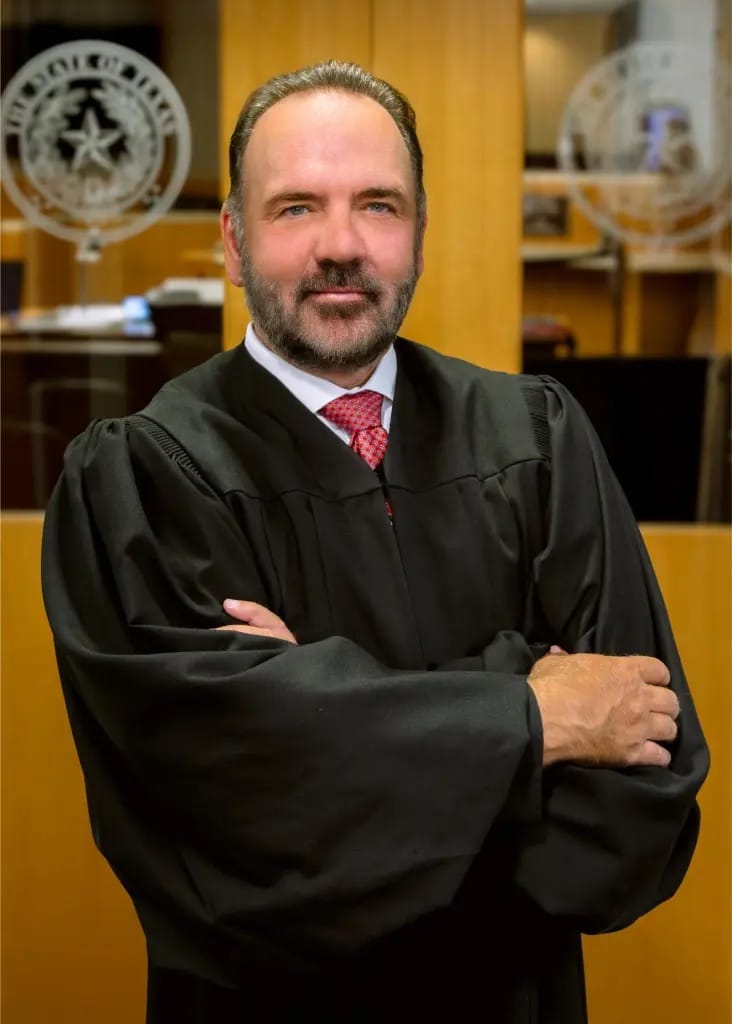
The judge said his goal in every case is to make sure the defendant and the prosecution receive a fair trial. He admitted that the decision made people angry, but said he was not in the courtroom to make people happy.
Critics argued that cameras would have allowed the public to better understand what happened during the trial. Roach pushed back on that idea, saying reporters and members of the public still had access in person and could follow the proceedings from inside the courthouse.
Roach also rejected rumors that he had any personal connection to Austin Metcalf’s family before the case. He said he would not have recognized Austin’s father if he had approached him before the trial, making clear that he believed those claims had no basis.
When asked about the jury’s verdict, Roach defended the outcome. He said the jurors were selected according to the law, listened to the evidence inside the courtroom, and reached a decision based on the facts presented during trial.
The judge also described Anthony as a “nice young man who committed a crime,” while emphasizing that the consequences were now clear. Anthony’s defense claimed self-defense, but jurors rejected that argument and sentenced him to 35 years in prison.
Outside the courtroom, the case continues to stir debate, with protests, public criticism, and possible appeal issues including a Batson challenge over jury selection. But Roach’s position remains firm: the trial was handled according to the law, and the camera ban was meant to protect the integrity of the proceedings, not hide them.