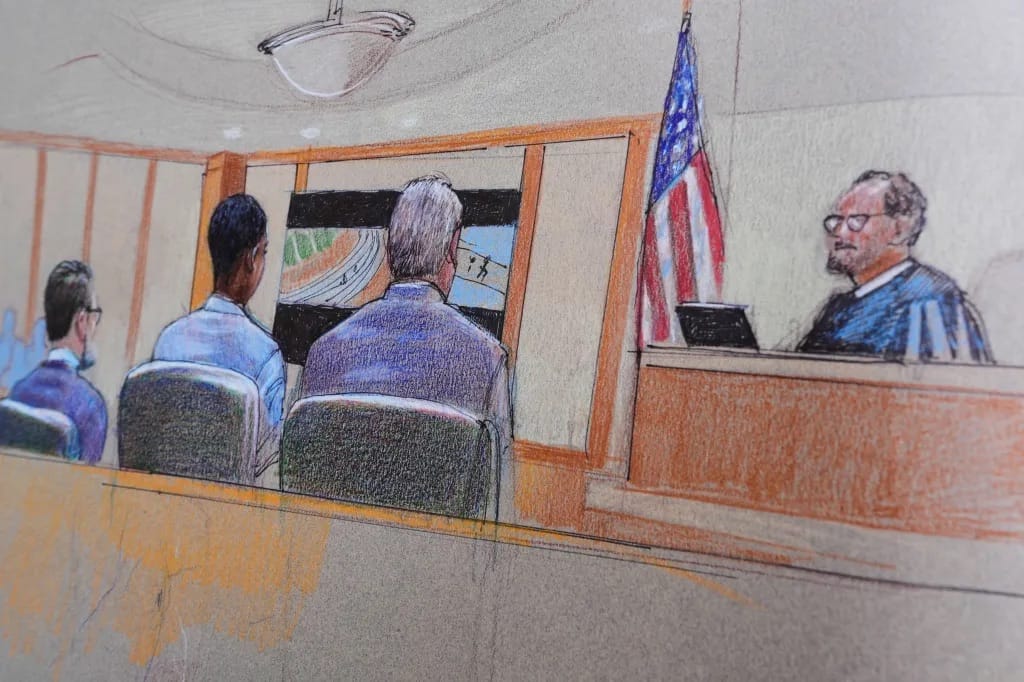
The courtroom battle in the Karmelo Anthony case may be over for now, but one comment from the judge who oversaw the trial has pushed the case back into the national conversation.
Judge John Roach, who presided over Anthony’s murder trial in Collin County, spoke publicly after the verdict and defended the way the case was handled. Anthony was convicted in the fatal stabbing of 17-year-old Austin Metcalf and sentenced to 35 years in prison.
The case drew intense public attention from the beginning because it involved two teenagers, a school track meet, a self-defense claim, and a deadly confrontation that divided people across social media.
Roach said he had no hesitation when the case was assigned to him. He explained that handling difficult and high-profile trials is part of his duty as a judge.
One of Roach’s most debated decisions was banning cameras from the courtroom during the trial. Critics argued the public should have been able to watch the proceedings, while supporters said it protected the fairness of the trial.
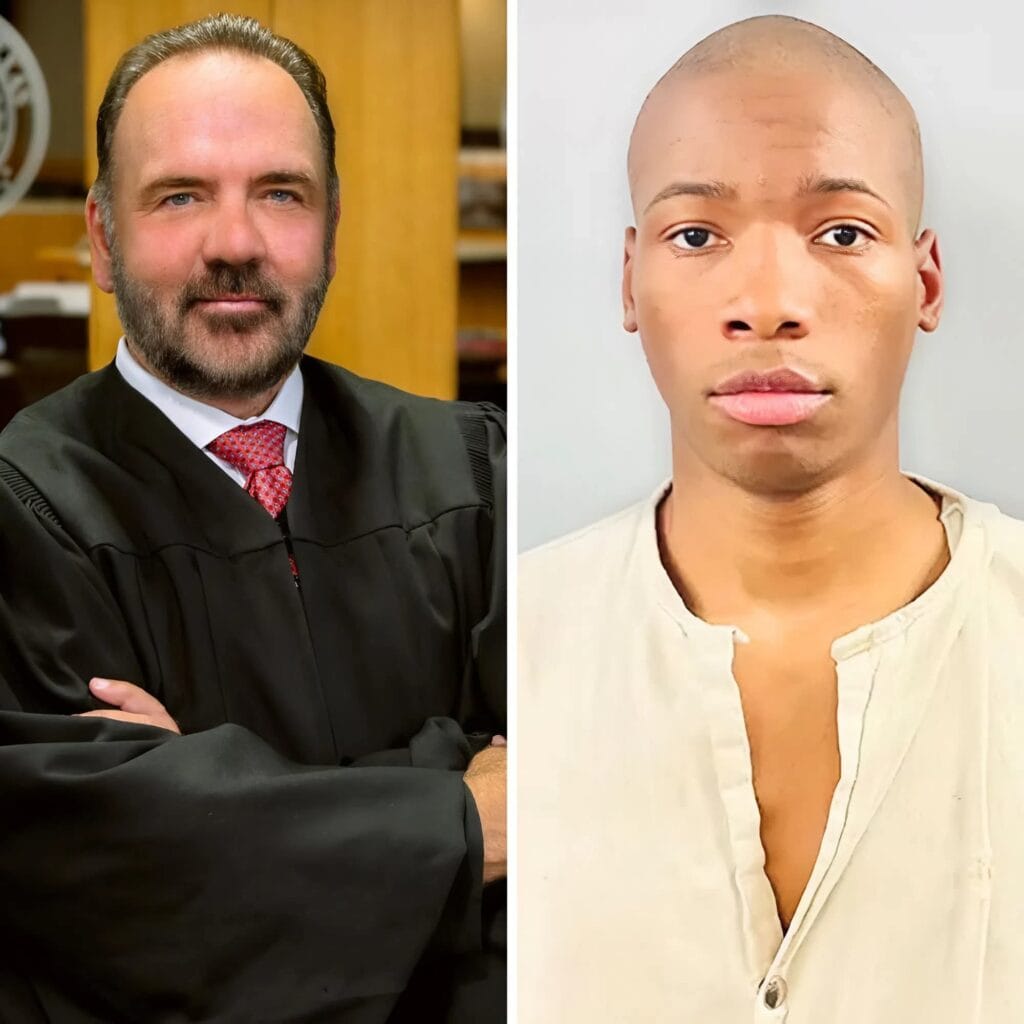
Roach defended that choice, saying his main goal was to make sure both the defendant and the prosecution received a fair trial. He said the decision was not about pleasing the public, but about protecting the process.
After the verdict, Roach said he believed the jury reached the correct decision. He said the jurors were properly selected, listened closely to the evidence, and returned a verdict based on what they heard in court.
But the statement that triggered the biggest reaction came when Roach described Anthony as “a nice young man who committed a crime.” That single phrase quickly spread online and became one of the most argued-over moments after the trial.
Some people saw the comment as an attempt to speak about Anthony’s youth and humanity without excusing the crime. Others felt the phrase sounded too sympathetic toward someone who had just been convicted of murder.
Roach also said Anthony now understands the consequences of committing a crime more than he ever had before. That part of the statement added another layer to the debate, with people questioning whether the judge was offering reflection, warning, or sympathy.
The reaction shows how emotionally charged the case remains. For Austin Metcalf’s supporters, the focus is still on the 17-year-old who never came home from a track meet.
For Anthony’s supporters, the judge’s comment became another piece of a larger conversation about age, punishment, self-defense, and whether the trial was viewed fairly by the public.
Anthony’s legal team has already filed a notice of appeal, meaning the case is not finished in the courts. The appeal is expected to focus on possible legal issues from the trial rather than simply retrying the facts for public debate.
For now, Roach is standing by the jury, the verdict, and his courtroom decisions. But his description of Anthony has become one more flashpoint in a case already filled with anger, grief, and unanswered arguments.
The judge may have meant to explain that