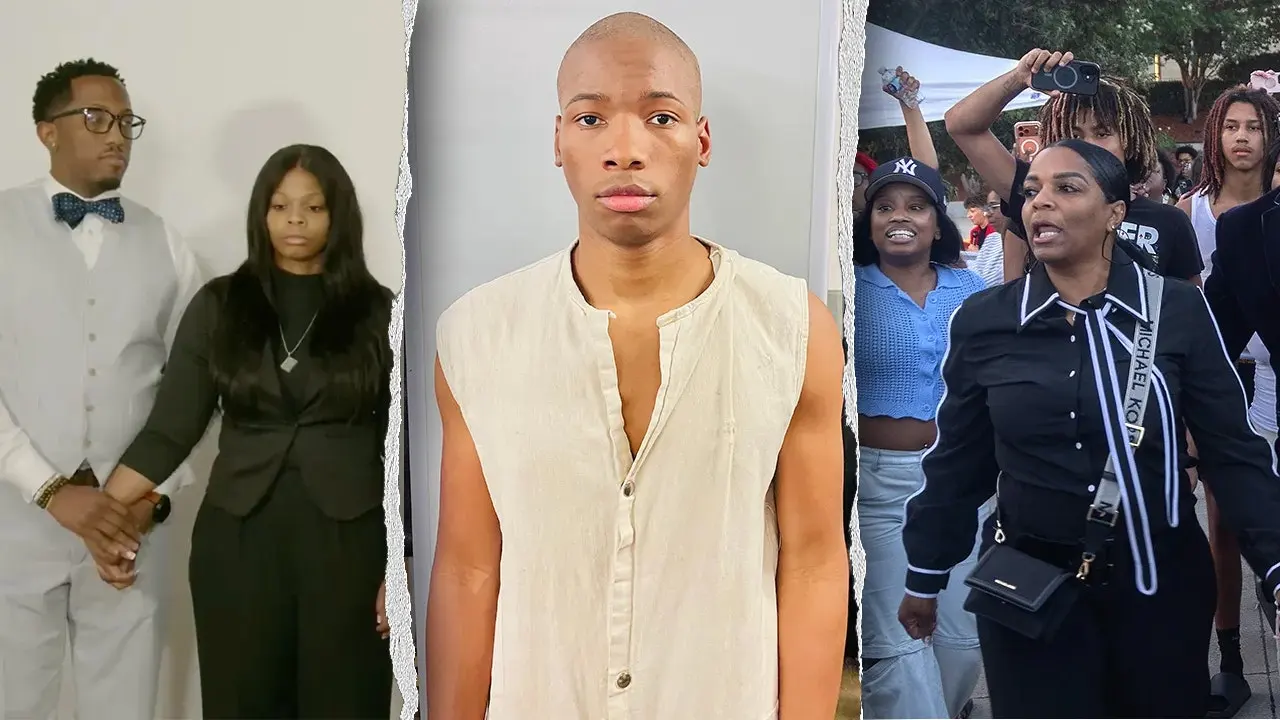
A short phrase allegedly spoken moments before Austin Metcalf was fatally stabbed became one of the most important parts of the Karmelo Anthony trial, and now a forensic psychologist is explaining why.
Anthony, 19, was convicted of murder in the death of 17-year-old Austin Metcalf, who was killed during a high school track meet in Frisco, Texas. He was sentenced earlier this month to 35 years in prison after jurors rejected his self-defense claim.
The phrase under scrutiny was reportedly “Touch me and see what happens,” or a similar version heard by witnesses during the confrontation. Prosecutors argued that the words mattered because they showed Anthony was not simply reacting in fear, but warning of what he was prepared to do.
Forensic psychologist Derek Van Schaik analyzed the case and said the alleged words carried major weight because they could suggest intent. In his view, the statement helped prosecutors argue that Anthony had time to think before the fatal moment, rather than acting purely on sudden panic.
That distinction became central because Anthony’s defense maintained that he acted in self-defense. His attorneys argued Austin put hands on him first during the confrontation under a team tent and that Anthony reacted in fear.
Prosecutors presented a very different version. They said Anthony entered another team’s tent during a rain delay, refused requests to leave, and escalated the situation before pulling a knife during the confrontation.
Witness testimony became especially important. CBS Texas reported that one witness told jurors Anthony appeared to provoke Austin, saying words to the effect of “touch me” and “see what happens,” before the situation escalated.
That is why the alleged five words became more than just a quote. To the prosecution, they helped frame Anthony’s state of mind before the stabbing and challenged the idea that the moment was only defensive.
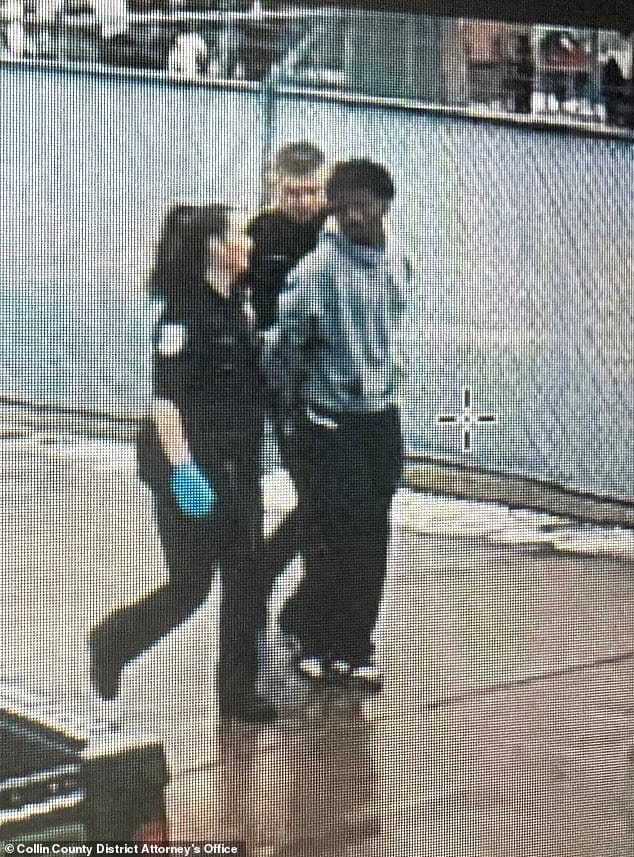
The newly released court evidence has brought that argument back into public focus. The Associated Press reported that surveillance and body-camera footage showed the immediate aftermath, including Anthony leaving the tent area and later telling officers Austin had put his hands on him.
One body-camera moment has been discussed widely because Anthony can be heard emotionally saying that Austin touched him first. Another reported statement, “I’m not alleged. I did it,” has also become part of the public debate over what the evidence showed.
The defense argued that those statements supported Anthony’s claim that he believed he was protecting himself. But prosecutors said the full timeline, witness testimony, and video evidence pointed to murder rather than lawful self-defense.
The trial evidence was not broadcast live because many minors were involved, which helped fuel confusion and argument online. After the verdict, released exhibits gave the public a closer look at parts of the case that jurors had already reviewed.
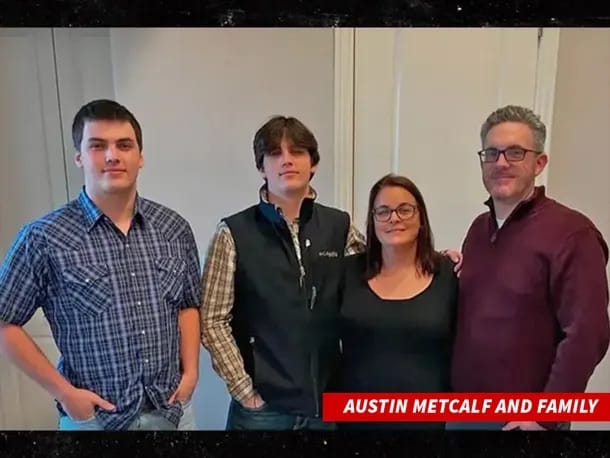
Austin’s father, Jeff Metcalf, has said he hopes the released evidence corrects misinformation. He has also spoken about the trauma carried by students and coaches who witnessed the incident, saying many will need support long after the trial ends.
Anthony’s legal fight is not finished. A new legal team is reviewing the trial record and preparing possible appeal arguments, meaning the same evidence may be examined again through a different legal lens.
For now, the alleged five-word warning remains one of the most debated parts of the case. To Anthony’s supporters, the confrontation still raises questions about self-defense; to prosecutors and Austin’s family, those words helped explain why the jury saw the case as murder.