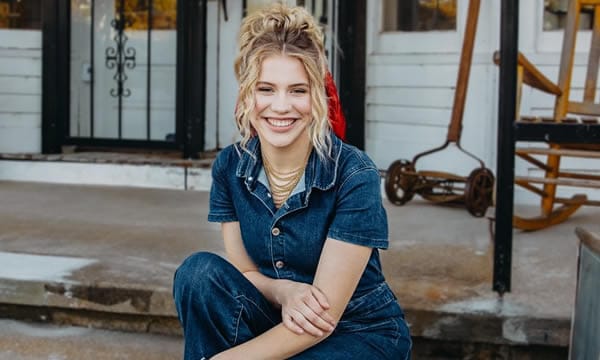
During Monday night’s episode of American Idol, bluegrass singer Hannah Harper delivered what many are already calling one of the most emotional auditions of the season. By the time her original song came to an end, Carrie Underwood was visibly wiping away tears — and the room had fallen into stunned silence.
Harper’s presence on that stage felt deeply earned. Her life has never followed a predictable or polished path. As a child, she spent seven formative years growing up on a tour bus, traveling coast to coast and singing in faith-based settings. Those early experiences shaped her voice — not just technically, but spiritually and emotionally.
Now 25 and a mother of three, her daily life looks far different from the touring years of her childhood. Her days are filled with diapers, dishes, bedtime routines, and the constant motion of motherhood. The dream of pursuing music never disappeared — it simply had to coexist with responsibility.
That tension became the heart of her audition. The original song she performed wasn’t designed to impress judges with flashy vocals. It was a confession — a deeply personal reflection on motherhood, postpartum depression, and the quiet battles many women endure without recognition.
Her lyrics explored the loneliness that can follow childbirth, the emotional fog that no one prepares you for, and the guilt that often accompanies exhaustion. She didn’t dramatize the pain; she sang it plainly. And that honesty is what made it powerful.

As she sang, the atmosphere shifted. Judges leaned forward. The usual audition chatter disappeared. Underwood’s emotional reaction reflected what many viewers felt at home — this wasn’t just a performance; it was vulnerability laid bare.
What made the moment even more profound was the transformation woven into the song. While Harper acknowledged the darkness of postpartum depression, she also sang about survival. About rediscovering strength. About finding purpose not despite motherhood, but within it.
Through that journey, she discovered what she calls her deepest calling: being a mother. Music didn’t replace that identity — it expanded it. Her audition became a bridge between her two worlds, proving that ambition and family can coexist.
For Harper, American Idol now represents more than exposure. It is an opportunity to support her family, pursue music full-time, and perhaps most importantly, give voice to mothers who feel unseen. Her story resonates because it reflects realities often left unspoken.
Raw. Relatable. Unforgettable. Hannah Harper didn’t just sing a song — she opened a conversation. And in doing so, she reminded millions that when pain is named and shared, it can become something healing, powerful, and beautifully human.