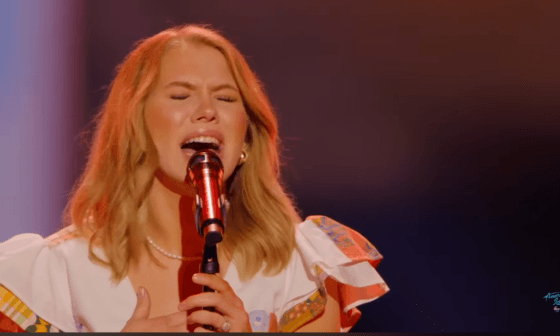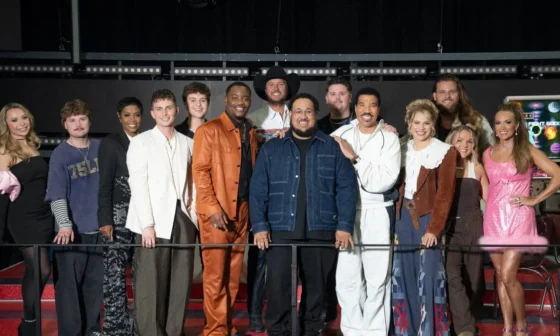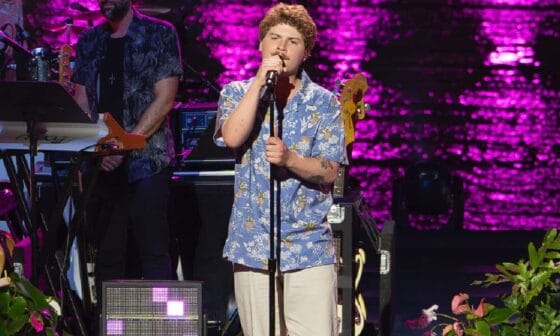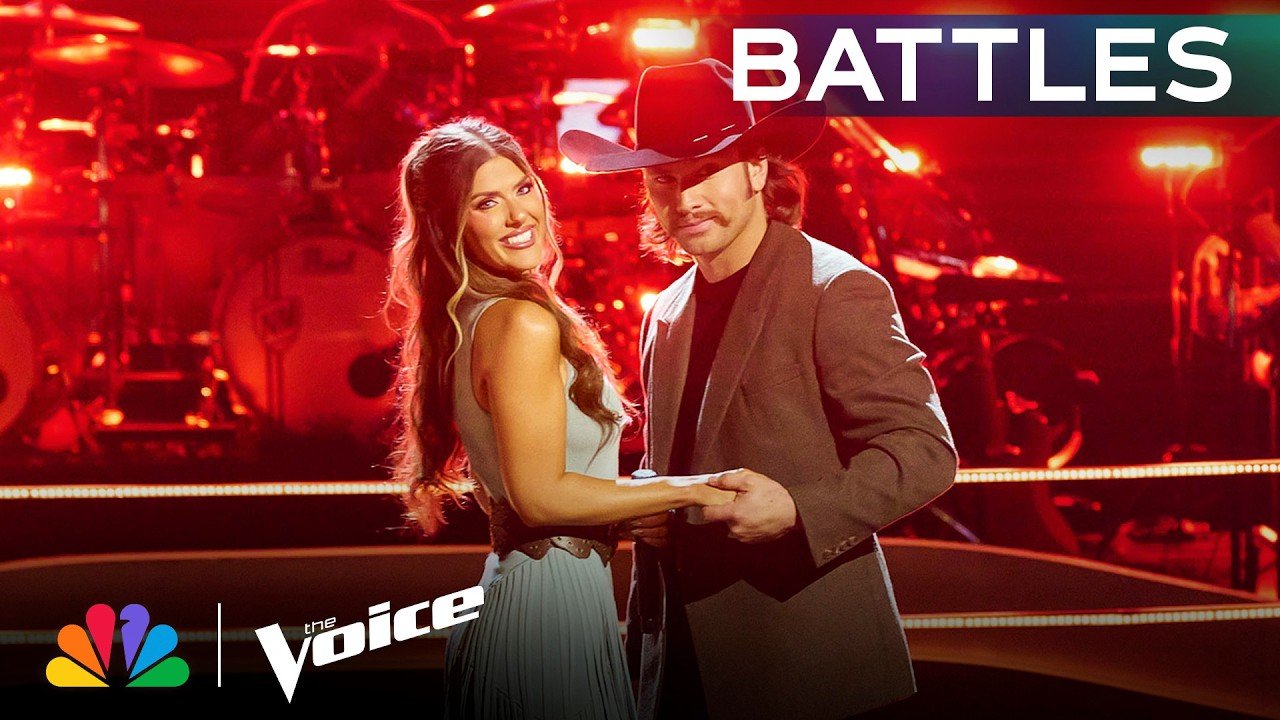
Riley Green’s Battle between Caroline Alexis and Everett Bounds quickly became one of the most talked-about performances of The Voice Season 30 — not only because the two singers were competing against each other, but because they had started dating after meeting on the show.
And when Riley handed them Conway Twitty and Loretta Lynn’s classic “Louisiana Woman, Mississippi Man,” the assignment seemed almost too perfectly matched to their real-life situation.
But not everyone loved the choice.
Some viewers felt the old-school country duet didn’t give either singer enough opportunity to deliver a huge vocal moment, while one recap described the performance as technically solid but lacking the excitement expected from a Battle.
Riley, however, appears to have been looking for something very different.
During rehearsals with Battle advisor Carly Pearce, he explained that the performance needed to feel believable.
The classic duet isn’t simply about hitting difficult notes.
It depends heavily on personality, chemistry and two singers convincing the audience that there is a real connection between them.
That made Caroline and Everett an unusually appropriate pairing.
The two met during the Blind Auditions, and Everett quickly became interested in Caroline.
He later sent her flowers and a handwritten invitation to dinner, and the two had already gone on several dates by the time they began preparing for their Battle.
Caroline said she wanted to take things slowly but praised Everett for being supportive and uplifting — qualities that also helped when they suddenly had to compete against one another.
Once Riley learned about the connection, the song’s flirtatious back-and-forth became even more relevant.
He and Carly encouraged the pair to lean into that chemistry instead of treating the performance like two separate singers simply trading lines.
Riley told them the Battle would likely come down to who could commit most convincingly to the character of the song.
That explains why he encouraged them to flirt onstage.
And once they performed, the chemistry was impossible to miss.
Kelly Clarkson called the number “so much fun” and praised its throwback country feel.
She liked Caroline’s sweet storytelling tone and character work, while also noting that Everett smartly used bigger moments to show more of his vocal range.
Adam Levine admitted the traditional country style was outside his musical wheelhouse, but still praised both singers and said he would lean toward Everett if Riley forced him to choose.
For Riley, the decision wasn’t straightforward.
He praised Caroline for bringing exactly the attitude and sass he wanted from the song.
But he believed Everett naturally embodied the playful, up-tempo traditional country style he wanted to keep on his team.
Riley later explained his final decision more directly.
He chose Everett because he felt that kind of energetic traditional country song came naturally to him and because it gave Team Riley something Riley believed he still needed heading toward Cut Week.
That ended Caroline’s run on the show.
Everett advanced.
But the Battle immediately divided viewers.
For critics of the song choice, “Louisiana Woman, Mississippi Man” may have emphasized theatrical chemistry more than raw vocal power.
That could explain why viewers hoping for a dramatic vocal showdown felt underwhelmed.
For Riley, though, that was apparently the point.
He wasn’t simply asking, Who can sing louder or hit the bigger note?
He wanted to see who could inhabit a traditional country duet, sell its story and make the audience believe the relationship happening inside the song.
And considering Caroline and Everett were already developing a real connection away from the stage, Riley may have intentionally chosen the one song that forced them to turn that chemistry into part of the performance.
Whether viewers loved the choice or not, Riley’s reasoning ultimately came down to something very traditional:
Country music isn’t only about the voice — it’s about making people believe the story.