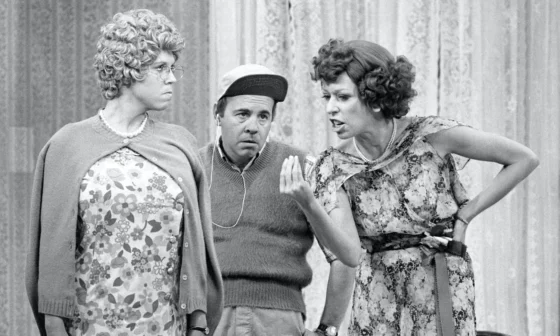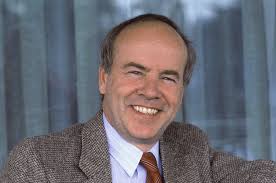
Carol Burnett often said she loved Tim Conway, but anyone who watched closely knew the relationship was forged in comedic survival. Loving him was easy. Working with him was an endurance test. The moment Tim Conway walked onto the set of The Carol Burnett Show, order loosened its grip, and chaos waited patiently in the wings.
Scripts existed, but only as loose guidelines. Everyone knew that once the cameras started rolling, Tim would treat the written page as a suggestion rather than a rule. There was an unspoken tension before every sketch, a shared awareness that something unpredictable was about to happen.
Rehearsals lulled everyone into a false sense of security. Tim behaved. Lines were delivered. Timing seemed normal. If anyone believed the live taping would follow the same path, they hadn’t been paying attention to history.
The transformation happened the instant the red light came on. Tim Conway became a one-man comedy detonation. A pause would stretch just a second too long. A word would come out slightly wrong. A facial expression would linger past all reason. And suddenly, the carefully balanced sketch began to wobble.
Harvey Korman was usually the first casualty. A trained professional with impeccable timing, he fought valiantly to stay in character. He failed every time — collapsing into wheezing laughter, face turning red, hands shaking, completely undone by Tim’s precision sabotage.
The audience sensed it immediately. Laughter erupted not just at the joke, but at the visible breakdown unfolding in real time. This wasn’t rehearsed comedy; it was an ambush, and everyone knew they were witnessing something dangerous and rare.
Behind the scenes, cameramen struggled to keep shots steady. Crew members hid behind equipment, shoulders shaking, trying not to be heard. The studio felt less like a workplace and more like a barely controlled implosion.
At the center of it all stood Carol Burnett. She laughed, yes — sometimes helplessly — but she also anchored the madness. She redirected scenes, rescued timing, and somehow kept the sketches moving forward while Tim delighted in tearing them apart.
Every performance became a high-wire act without a safety net. No one knew what Tim would do next, only that he would do something. And when it worked — which it almost always did — it became instant television history.
What made it unforgettable wasn’t just the comedy, but the risk. Millions laughed because they could feel it: this was live, this was fragile, and it could collapse at any moment. Carol Burnett didn’t just survive Tim Conway — she stood in the storm, letting brilliance happen while holding the entire show together.