“The kind of chaos you can’t script.”
That phrase perfectly captures what made Tim Conway’s appearances on The Tonight Show Starring Johnny Carson so unforgettable. In a program built on structure, timing, and polished conversation, Conway introduced something far more unpredictable — and far more electric.
Johnny Carson had interviewed presidents, Hollywood royalty, and the most celebrated comedians of his era. He was famously unflappable, a host who could guide any segment back on track with ease. But when Tim Conway settled into that guest chair, something subtle shifted. The rules of late-night television didn’t disappear — they simply stopped applying.
What began as a routine interview would slowly tilt off balance. A harmless anecdote would stretch a little longer than expected. A detail would feel oddly unnecessary. A pause would linger just a fraction too long. The audience sensed it before they understood it — something was building.
Conway’s brilliance wasn’t loud or frantic. He didn’t chase applause or hammer punchlines. Instead of raising his voice, he lowered it. Instead of speeding up, he slowed down. He understood a principle that many comedians overlook: anticipation can be far funnier than noise.
Carson would attempt to maintain control — asking follow-up questions, keeping his composure, guiding the rhythm of the exchange. But Conway would gently layer in one absurd detail after another, stacking them so subtly that the laughter seemed to sneak up on the room. By the time the true punchline landed, it felt both inevitable and completely unexpected.
Then came the unraveling.
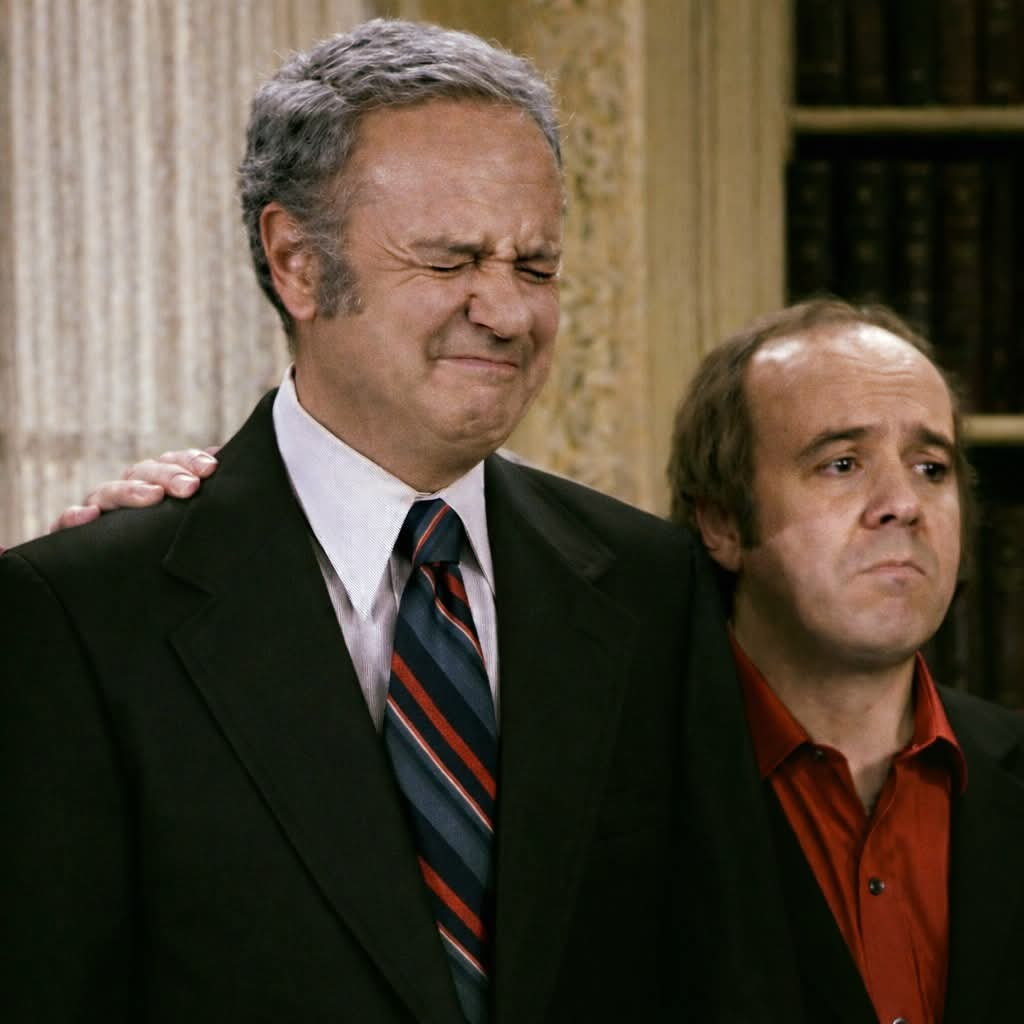
Carson, the consummate professional, would begin to crack. A smile would break through. His shoulders would shake. Sometimes he’d lean back in his chair, wiping tears from his eyes or pounding the desk as the audience roared. It wasn’t just the joke that landed — it was watching the host lose the battle to stay composed.
The audience wasn’t simply laughing at a story. They were laughing at the slow collapse of structure. The tension between order and absurdity became the real entertainment, and Conway controlled that tension with surgical precision.
There were no elaborate props. No elaborate setups. Just two men in chairs and a story that refused to behave. Conway understood exactly how far to push before the room surrendered entirely. What looked spontaneous was, in truth, masterful control disguised as casual conversation.
That is why those appearances continue to circulate decades later. They are not relics of a bygone era — they are demonstrations of timing at its highest level. You aren’t just watching a comedian tell a story.
You’re watching a master quietly take over the night.