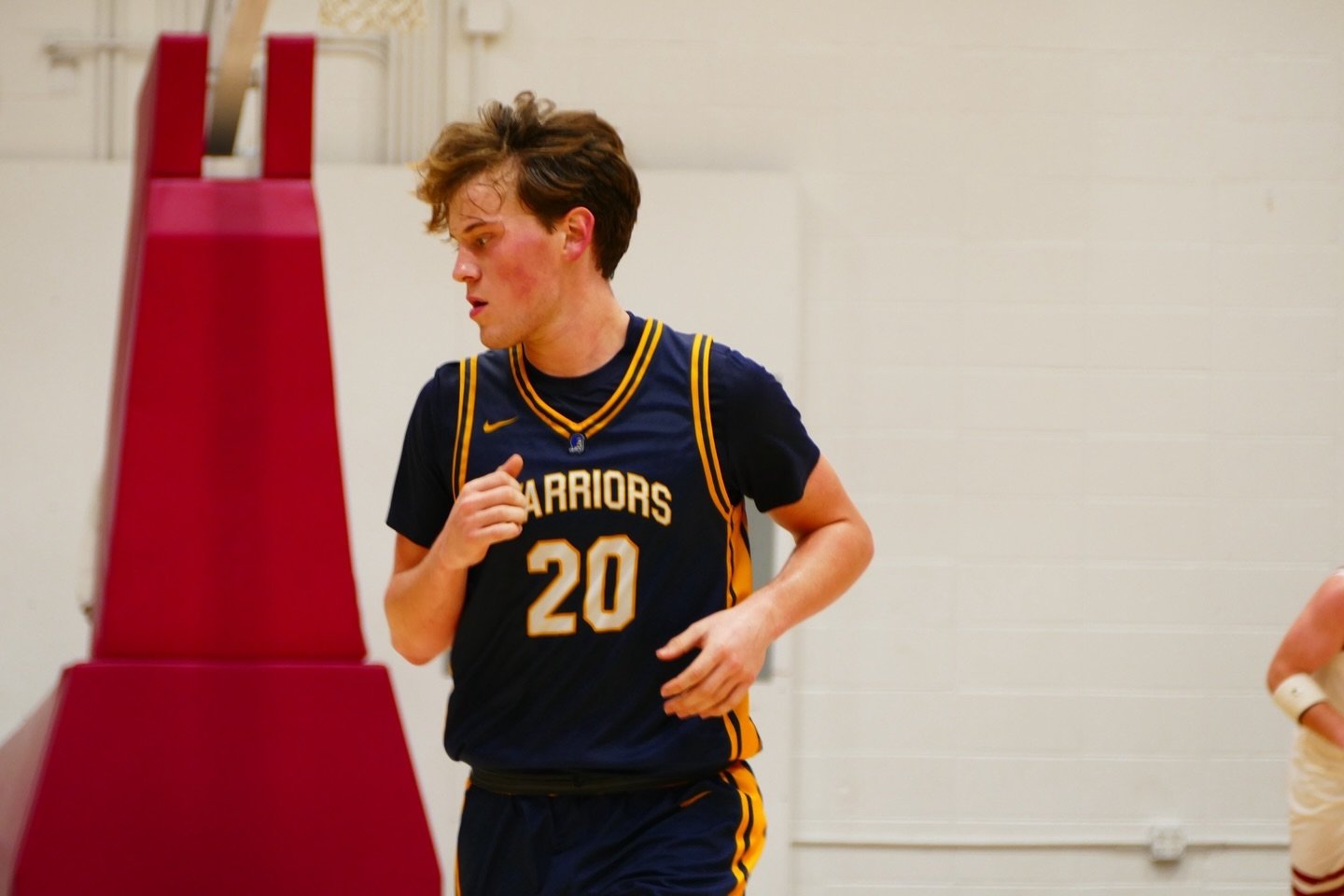
Before becoming one of the standout country singers on The Voice Season 30, Joe Henley imagined a very different future for himself. The 19-year-old from Grand Bay, Alabama, once dreamed of pursuing basketball at the college level or even playing professionally overseas. Standing 6 feet 5 inches tall, Henley spent much of his teenage years developing his athletic abilities rather than preparing for a professional music career. However, a challenging period in his personal life and a growing passion for traditional country music eventually led him toward an opportunity he had never seriously imagined.
Henley’s basketball ambitions developed during his years at Cottage Hill Christian Academy in Alabama, where he competed as a varsity player before graduating in 2026. His height and athletic background made the sport an important part of his life, and he considered continuing his career beyond high school. At the time, music remained something he enjoyed through family gatherings and church activities rather than a profession he expected to pursue.
Like many young athletes, Henley devoted considerable time to improving his skills on the basketball court. The possibility of playing for a college team or joining a professional league overseas gave him several options to consider after graduation. His future appeared closely connected to sports, and he had little reason to believe that singing would eventually introduce him to millions of television viewers.
However, Henley’s journey took an unexpected direction when a serious back injury interrupted his athletic activities. The injury required months of rehabilitation, creating a difficult period as he adjusted to being unable to pursue basketball in the way he had previously envisioned. During that time, Henley began spending more time with his guitar and music, finding encouragement in activities that had been part of his life since childhood.
Although basketball occupied much of his attention growing up, Henley’s love of music began years earlier through his grandparents. They operated a small ministry in the back room of a truck stop in southern Alabama, where he regularly participated in worship services. The unusual setting became an important part of his musical upbringing, giving him opportunities to sing alongside family members and develop a natural appreciation for heartfelt performances.
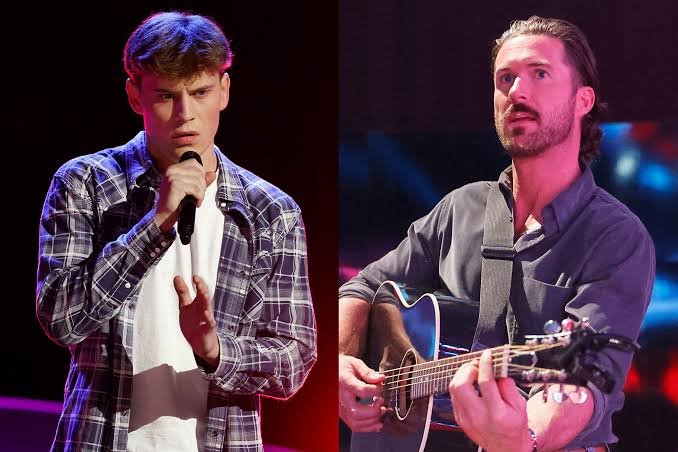
Henley has explained that some of his earliest musical memories involve singing with his grandfather and participating in the ministry’s activities. After his grandfather passed away, he continued supporting his grandmother as she carried on the family’s tradition. Those experiences helped shape his musical identity, introducing him to the importance of storytelling, sincerity, and emotional connection through songs.
His musical interests eventually expanded beyond gospel performances to include traditional country artists such as Travis Tritt, Keith Whitley, and George Strait. Henley developed a particular appreciation for the warm vocals and straightforward storytelling associated with classic country music. Rather than focusing on elaborate arrangements or modern production techniques, he found himself drawn to songs that allowed the singer’s voice and message to remain at the center of the performance.
Despite his natural abilities, Henley had remarkably little professional singing experience before joining The Voice. He had performed mainly in worship settings and at informal gatherings, often singing around campfires with family and friends. He had never played a professional concert, making his decision to audition for a nationally televised competition an enormous departure from his familiar surroundings.
That decision changed his life when he appeared during the September 21 premiere of The Voice Season 30. Henley selected Travis Tritt’s emotional country ballad “Anymore” for his Blind Audition, delivering a performance that immediately demonstrated the depth and maturity of his voice. Kelly Clarkson and Riley Green both turned their chairs, recognizing the potential of a young singer who had spent far more time playing basketball than performing on professional stages.
The audition became even more memorable when Henley revealed that he came from what he jokingly called “L.A.,” meaning lower Alabama. The comment created an immediate connection with Green, who also grew up in the state. Although Clarkson enthusiastically attempted to recruit him, Henley felt that Green’s musical background and shared interests made him the right mentor. Their connection grew stronger when Green joined him onstage for an impromptu duet of his song “My Way.”
As Henley advanced through the competition, he gradually developed skills that differed considerably from those required on the basketball court. Performing before television cameras, interacting with audiences, and learning to move comfortably onstage presented unfamiliar challenges. During the Battle Rounds, he worked with fellow contestant Kenna Elpers on “Don’t Mind If I Do,” and later acknowledged that her experience helped him become more comfortable with the performance process. Green ultimately selected Henley to advance, giving him another opportunity to develop his abilities.
Henley’s biggest breakthrough arrived during Cut Week on November 2, when he performed Keith Whitley’s classic “Don’t Close Your Eyes.” His emotional interpretation earned a standing ovation from all four coaches, demonstrating how much progress he had made since his first audition. Clarkson was particularly impressed by the performance, expressing confidence in his potential to reach the finale. Green ultimately selected Henley for his final available position in the Live Shows, securing the teenager’s place among the season’s Top 13 contestants.
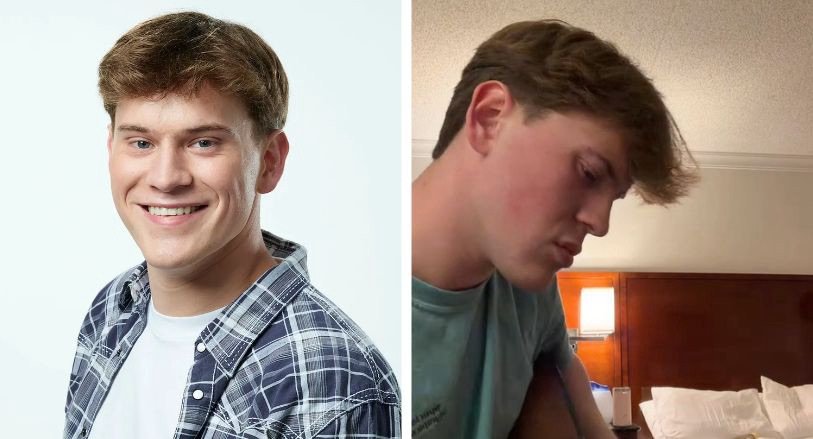
Now competing on Team Riley Green, Henley is discovering possibilities that once seemed far removed from his original basketball ambitions. Although his athletic background remains an important part of his story, his growing success on The Voice has introduced him to a different professional path. The discipline he developed through sports, the encouragement he received from his family, and his lifelong connection to traditional country music have all contributed to his journey. Whether his future includes a recording career, live performances, or other opportunities remains to be seen, but the teenager who once pictured himself playing basketball overseas is now exploring what life might offer him on the country music stage.