Tyra Banks has reportedly taken legal action against Netflix after a new documentary about America’s Next Top Model renewed controversy around the hit reality show and the way several past incidents were presented. The lawsuit reportedly claims the documentary created a false impression of Banks and her role behind the scenes.
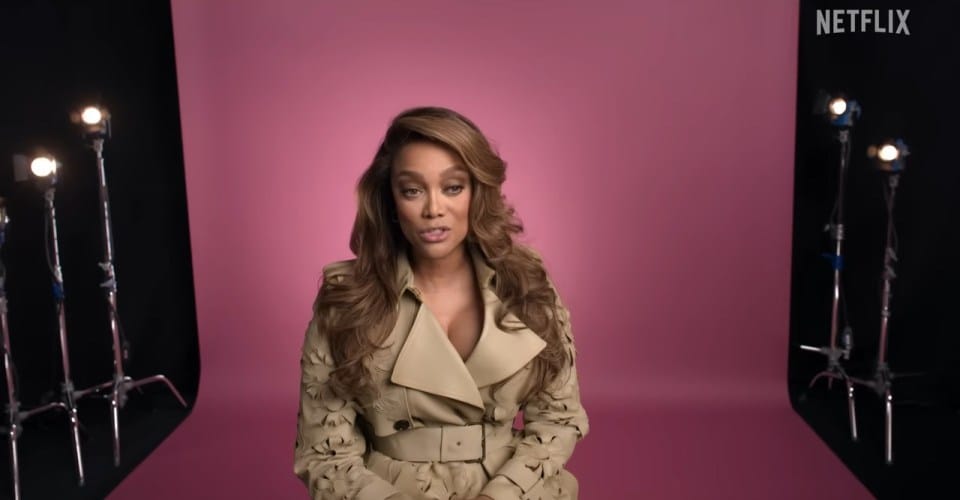
The documentary, Reality Check: Inside America’s Next Top Model, was released in February and looked back at the long-running modeling competition. It featured interviews with Banks, former contestants, and others connected to the series, bringing old debates about the show back into the spotlight.
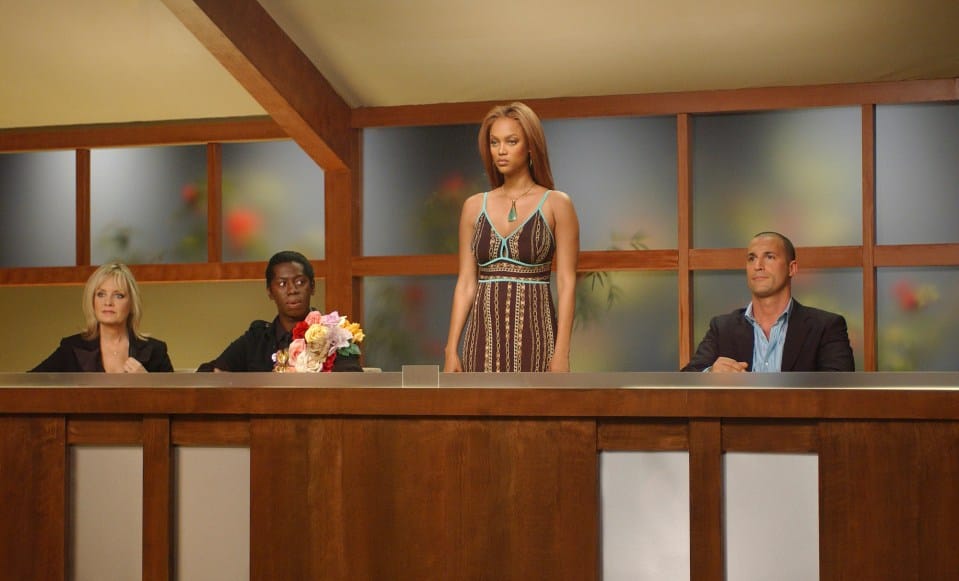
America’s Next Top Model first premiered in 2003 and ran until 2018, becoming one of the most recognizable reality shows of its time. Banks created and hosted the series for nearly its entire run, helping turn it into a major part of pop culture.
But the show has also faced years of criticism over some of its photoshoots, judging moments, production choices, and the treatment of contestants. The Netflix documentary reignited those conversations by revisiting moments that many viewers now see differently.
According to reports, Banks claims Netflix used only about 16 minutes from an interview that lasted more than three hours. Her lawsuit reportedly argues that the editing left out important context and created what she describes as a misleading and damaging narrative.
The filing reportedly accuses the documentary of using selective clips, omissions, and careful editing to misrepresent her involvement in certain situations. Banks argues that the final version made it appear as though she had more responsibility or knowledge than she actually did.
One major part of the lawsuit centers on how the documentary discussed former contestant Shandi Sullivan and a serious incident that happened while filming in Italy during Cycle 2. Banks reportedly claims the documentary’s framing suggested she knowingly allowed the situation to happen and then failed to respond properly afterward.
Banks also reportedly argues that the documentary implied she used Sullivan’s trauma for entertainment, which she denies. Her filing says the program misrepresented her comments and did not fairly show the full context of what she said during the interview.
Sullivan spoke emotionally in the documentary about what happened and criticized how the situation was handled during filming. Banks, in her own featured comments, said the topic was difficult to discuss publicly and suggested that some parts of what happened were outside her direct control as host.
Representatives for Netflix and Banks have reportedly been contacted for comment as the dispute continues. For now, the lawsuit has added another layer to the renewed backlash surrounding America’s Next Top Model, a show that remains both influential and controversial years after its final season.