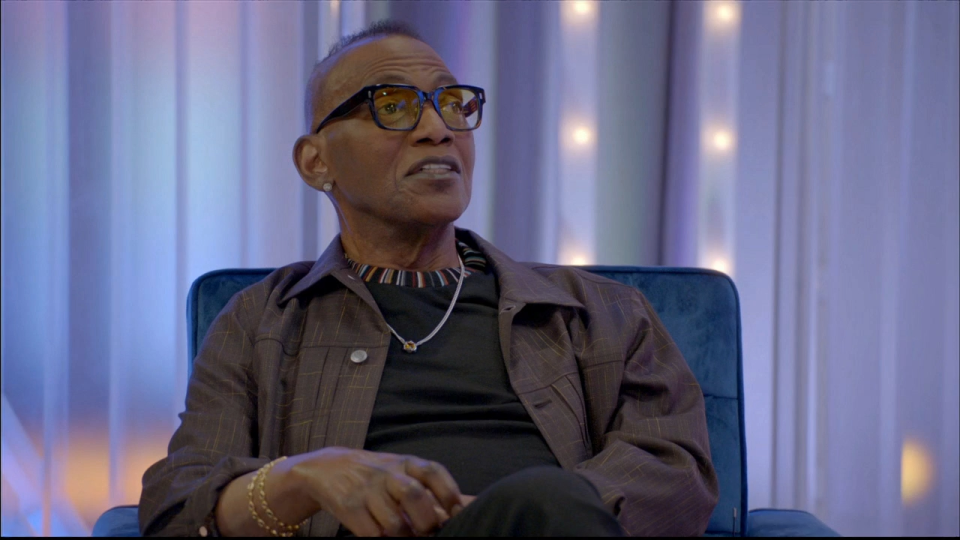
The return of Randy Jackson to American Idol during the Season 24 semifinals was supposed to be a nostalgic full-circle moment for longtime fans. As one of the show’s original judges, Randy stepped back into the Idol world to mentor the Top 5 contestants ahead of one of the biggest nights of the season.
But while he offered feedback, encouragement, and industry insight during rehearsals, many viewers found themselves focused on something else entirely.
Almost immediately after the episode aired, social media began filling with reactions about Randy’s appearance and overall demeanor. Fans noticed several “unexpected details” that shifted the conversation away from the mentoring itself and toward concern about his health and well-being.
Many viewers pointed out how much thinner he appeared compared to his earlier Idol years. Others noticed that he remained seated throughout much of the mentoring segment and appeared less energetic than they remembered from previous television appearances.
That reaction quickly sparked speculation online.
Some fans described him as looking “frail” or “tired,” while others questioned whether there were health issues viewers didn’t know about. The concern became one of the biggest side conversations of the entire episode.

However, there is important context behind Randy’s appearance.
Over the years, he has openly spoken about his long-term health journey, including being diagnosed with Type 2 diabetes in 2002. Following that diagnosis, he underwent gastric bypass surgery and eventually lost more than 100 pounds through major lifestyle changes.
He has also dealt with spinal issues that required surgery in 2019, which may help explain why he appeared more comfortable sitting during filming.
At this point, though, there has been no public confirmation from Randy about any new health issue connected to his Idol appearance. Much of the online discussion is based purely on viewer observations and comparisons to how he looked years ago.
Despite the concern, Randy’s mentoring role itself remained significant.
Contestants listened closely as he shared advice about stage control, confidence, and performance strategy. His experience in the music industry—and his long connection to Idol—still gave weight to every comment he made.
For many viewers, seeing him back alongside Paula Abdul also brought a wave of nostalgia tied to the early years of the franchise. Their presence reminded audiences how much the show has evolved since its original seasons.
At the same time, the reaction highlights how deeply audiences connect public figures to certain memories and images. After decades on television, even natural changes in appearance can create strong emotional responses from longtime fans.
What’s clear is that Randy’s return left an impact far beyond the mentoring sessions themselves.
While the contestants focused on his guidance, viewers were focused on him—analyzing every detail, expressing concern, and reflecting on how much time has passed since the early days of American Idol.
And in many ways, that emotional reaction shows just how important Randy Jackson still is to the history and identity of the show.