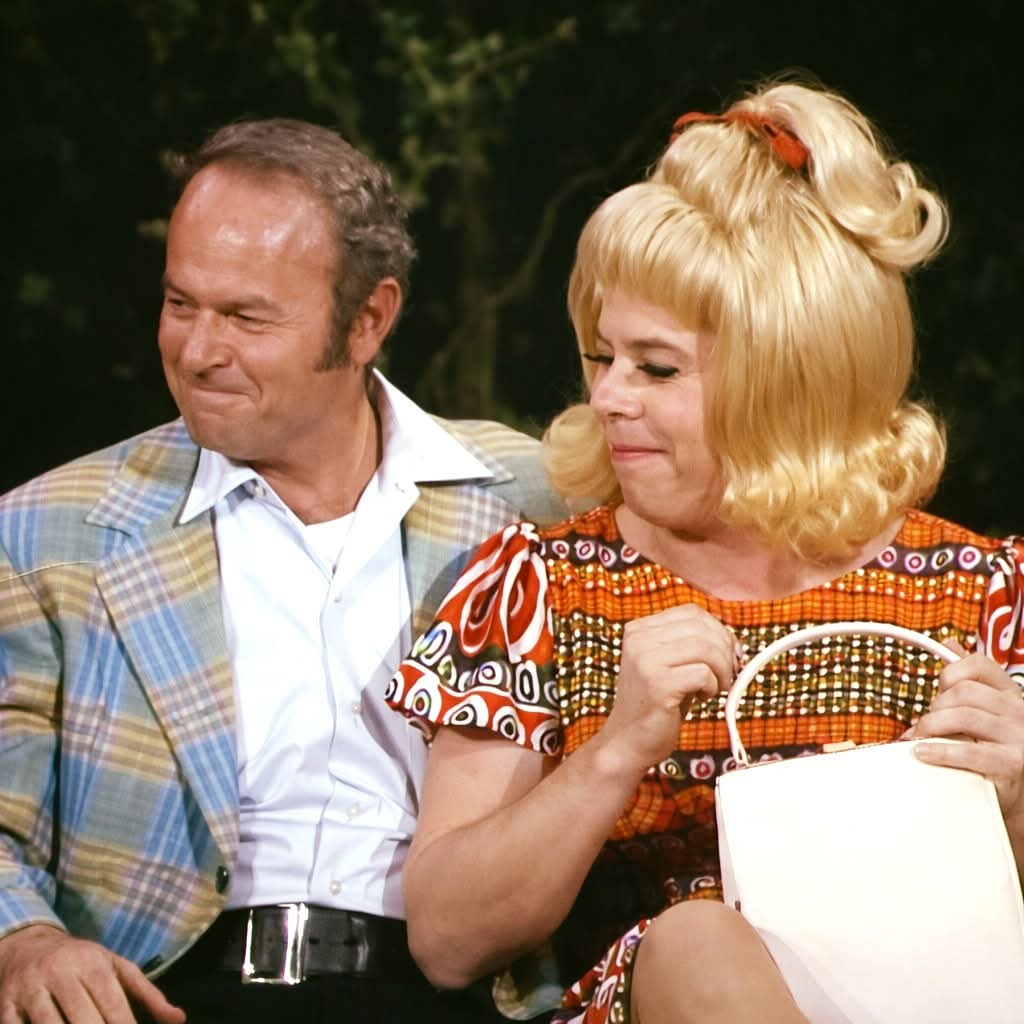
Carol Burnett often said she loved working with Tim Conway, but she would laugh and add one important detail — the moment he stepped into a sketch, all bets were off. It wasn’t said with frustration. It was said with admiration. Because everyone on that stage knew they were about to experience something unpredictable.
The shift could be felt instantly. A scene that had seemed structured and carefully rehearsed would suddenly carry a quiet electricity. The energy changed. The rhythm loosened. And somewhere in the middle of it all, Tim would stand with that subtle, almost innocent expression, as if nothing unusual were about to happen.
Conway approached every sketch like it was a playground. He respected the script, but he never seemed confined by it. A pause might stretch just slightly longer than expected. A glance might hold a secret message. A single line, delivered with flawless sincerity, could tip the entire scene off balance.
Beside him, Harvey Korman was often the first to feel the impact. You could see it in his eyes — the realization that Tim was drifting into uncharted territory. Harvey would fight to stay composed, clinging to his lines as if they were anchors in a storm that was rapidly building.
Ironically, rehearsals were calm and controlled. Everything flowed smoothly. The jokes landed exactly where they were meant to. There were no surprises, no sudden detours. On paper, the sketches worked perfectly.
But once the red camera light blinked on, something shifted inside Tim. A small grin might appear, barely noticeable to the audience but crystal clear to his fellow performers. It was a silent signal that he was about to add something — a twist, a detail, a moment no one else had prepared for.
Sometimes it was subtle. An added word. An exaggerated movement. A pause so long it became the punchline itself. Other times it was bold and impossible to ignore. Whatever form it took, it forced everyone on stage to respond in real time.
The audience could sense the change almost immediately. Laughter would begin to ripple through the studio, growing louder as viewers realized they were watching something unscripted unfold before them. The tension wasn’t about whether the joke would land — it was about whether the cast could hold it together.
Carol Burnett, steady and professional, would do her best to guide the sketch forward. She carried the scene with grace, even as it threatened to collapse into laughter around her. Yet even she wasn’t immune to the joy that erupted when things spiraled delightfully out of control.
That was the true magic of those moments. It wasn’t just about comedy; it was about trust, timing, and genuine connection. Decades later, viewers still return to those sketches not only for the jokes, but for the spontaneity — the rare thrill of watching something so authentic it could never happen the same way twice.