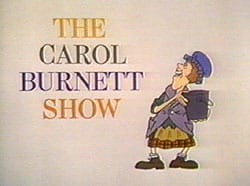
What began as a harmless hot dog vendor sketch on The Carol Burnett Show seemed destined to pass as just another amusing moment in an already legendary series. The setup was simple, the structure familiar, and the expectations modest. No one could have predicted how quickly it would spiral into something unforgettable.
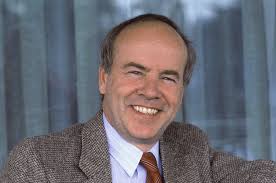
The instant Tim Conway took control, the atmosphere shifted. His approach wasn’t loud or aggressive. Instead, he relied on slow-burn timing, awkward pauses, and an almost heroic level of misplaced confidence that quietly dismantled the scene piece by piece.
Each movement felt slightly off, each reaction just a beat too late. Conway didn’t rush the joke; he let discomfort grow naturally, allowing silence to do as much work as dialogue. The humor crept in sideways, catching everyone off guard.
At the center of the storm was Harvey Korman, fighting valiantly to remain professional. His posture stiffened, his eyes darted, and his resolve visibly weakened as Conway pushed the sketch further into absurd territory.
The breaking point came not from a punchline, but from endurance. Conway’s commitment never wavered, and Korman’s resistance finally collapsed into helpless, uncontrollable laughter. Once it started, there was no turning back.
The sketch disintegrated in real time. Lines were missed, timing vanished, and structure dissolved. Yet instead of chaos feeling messy, it felt precise, as though comedy itself had taken the wheel.
What made the moment so powerful was its restraint. There were no exaggerated props or overplayed jokes. The humor lived entirely in timing, tension, and the sheer impossibility of staying serious in Conway’s presence.
The audience recognized it instantly. Their laughter wasn’t just a reaction to jokes, but to witnessing something genuine — a performer being undone by another’s brilliance.
Decades later, fans still return to the clip, often admitting that watching Harvey Korman surrender to laughter is half the joy. His breakdown becomes a mirror for the audience, permission to laugh without limits.
In the end, the sketch survives not because it followed a script, but because it abandoned one. It stands as pure proof of Tim Conway at his most unstoppable — quietly, effortlessly, and hilariously rewriting the rules of television comedy.