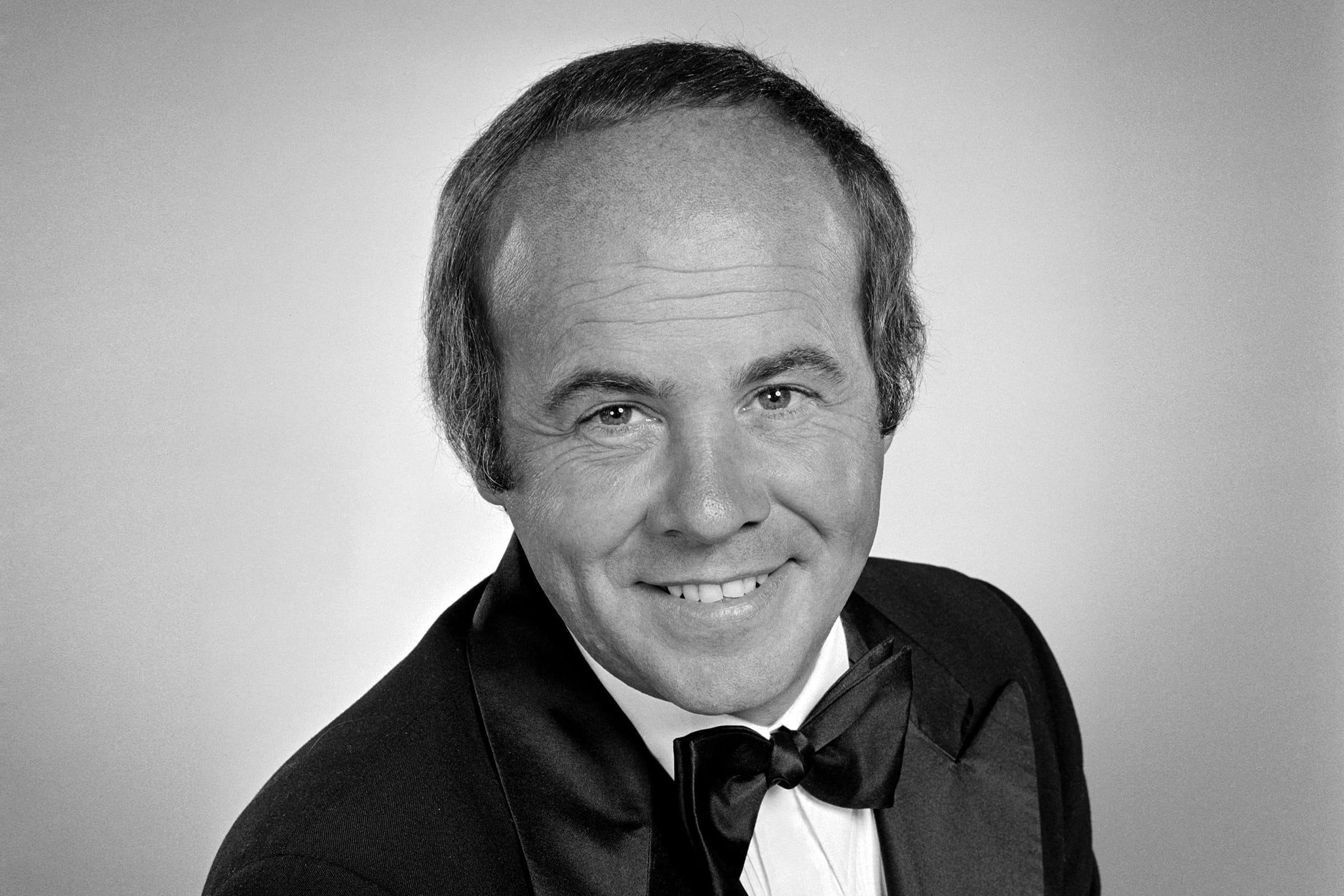
Some television moments fade quietly into the archives, remembered only by devoted fans. Others refuse to age, replaying themselves in collective memory as vividly as the day they first aired. Tim Conway’s performance as The Oldest Man on The Carol Burnett Show belongs firmly in the latter category, a piece of comedy that feels just as dangerous and alive decades later.
From the moment Conway shuffled into the sketch, it was clear this would not be ordinary comedy. His movements were slow to the point of absurdity, every wobble exaggerated, every pause stretched until it felt physically uncomfortable. Instead of rushing toward laughs, he seemed to dare the room to endure him, one agonizing second at a time.
Carol Burnett, a seasoned professional with impeccable control, fought valiantly to maintain her composure. Her reactions told the story as clearly as any line of dialogue — turned backs, clenched lips, and eyes glistening with tears she refused to let fall. You could almost see the internal struggle as she tried to remain in character while chaos closed in.
Harvey Korman, however, never stood a chance. Almost immediately, he was undone. His shoulders shook violently, his head dropped, and his breath came in gasps as he battled laughter that had already won. Each time he looked at Conway, the situation grew worse, as if the mere sight of him triggered another wave.
What made the performance extraordinary was its restraint. Conway didn’t shout or overplay the role. He didn’t chase punchlines or beg for attention. Instead, he trusted silence, allowing it to stretch until anticipation turned into helpless laughter. The longer he delayed, the more powerful the reaction became.
As the sketch progressed, the script lost all authority. Lines were forgotten, cues ignored, and professionalism dissolved in the face of genuine, uncontrollable laughter. This wasn’t rehearsed comedy anymore — it was live television teetering on the edge of collapse.
The audience sensed it immediately. Their laughter wasn’t polite or expected; it was explosive, fed by the thrill of witnessing something that could not be replicated. There was an unspoken understanding that what was happening could only happen once, in that exact moment.
The cameras kept rolling as the cast surrendered, unable to regain control. What should have been a simple sketch transformed into an unpredictable spectacle, fueled by trust between performers and Conway’s unshakable commitment to timing over theatrics.
By the end, there were no winners or losers — only exhaustion, laughter, and awe. The cast was defeated in the best possible way, and the audience roared in appreciation of something rare and honest.
In retrospect, the sketch stands as more than just a highlight of The Carol Burnett Show. It is a masterclass in comedic patience, proving that sometimes the greatest laughs come not from what is said or done, but from how long a performer is brave enough to wait.