You don’t realize what it’s stirring in you until it’s already too late. That is the quiet power behind Budweiser’s 2026 Super Bowl commercial, an ad that doesn’t announce itself with noise or spectacle, but instead eases its way into the viewer’s emotions. In a year when the United States approaches its 250th birthday and Budweiser marks 150 years of history, the brand chose subtlety over slogans, memory over messaging.
From the very first frame, the commercial feels different. There is no dialogue, no narrator, and no rush to explain what you’re seeing. Instead, familiar images unfold slowly, almost patiently, as if the ad trusts the audience to meet it halfway. The pacing alone signals that this is not meant to be consumed and forgotten in seconds.
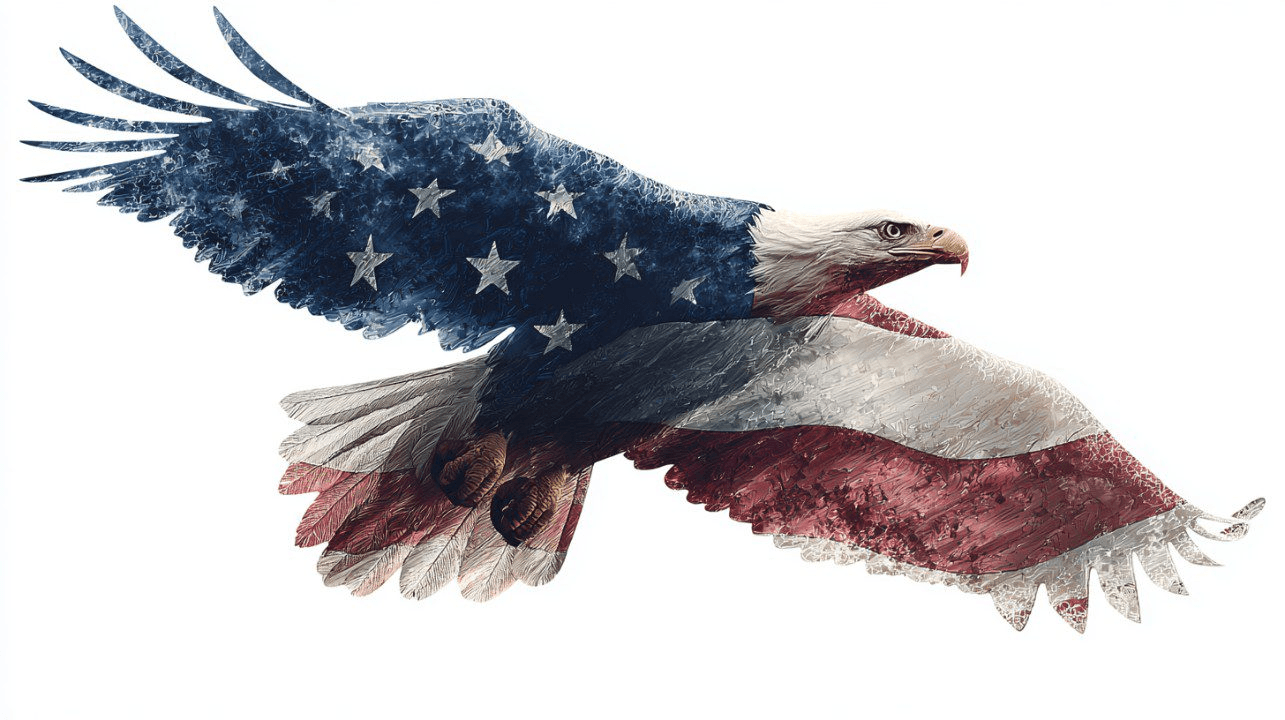
A bald eagle cuts through open sky, unbothered and unhurried. The iconic Clydesdales move forward with calm strength, their presence steady and grounding rather than dramatic. Vast American landscapes stretch out in warm light, not polished to perfection, but presented in a way that feels lived-in, remembered, and deeply familiar.
Set to the unmistakable opening of “Free Bird,” the music does more than accompany the visuals—it carries emotional memory. The song doesn’t demand attention; it drifts in, bringing with it decades of personal associations. For many viewers, it triggers recollections of road trips, late nights, youth, loss, and freedom, all without a single word being spoken.
What makes the commercial so effective is what it refuses to do. It doesn’t tell viewers what to think, what to buy, or how to feel. There is no tagline spelling out patriotism, no declaration of legacy, no attempt to explain Budweiser’s place in history. The absence of instruction becomes an invitation instead.
As the images continue, something subtle happens. The ad stops feeling like branding and starts feeling reflective. Viewers aren’t being sold a product so much as they’re being reminded of moments, values, and emotions they already carry. The symbols work not because they are flashy, but because they are deeply embedded in cultural memory.
In a Super Bowl environment known for loud humor, rapid cuts, and viral punchlines, Budweiser’s restraint stands out. While other commercials fight to be remembered, this one simply allows itself to linger. Its confidence lies in slowing down when everything else speeds up.
Online reactions reflect that effect. Many viewers admit they watched the commercial more than once, not to catch a joke they missed, but to understand why it felt so personal. People are trying to pinpoint the exact moment the ad stopped being an advertisement and became something emotional, something quietly reflective.
At its core, the commercial isn’t really about beer. It’s about endurance, continuity, and the feeling that some things remain steady even as the world changes. It suggests that heritage isn’t something you announce loudly—it’s something you carry, often without realizing it’s there.
By the time the final frame fades, there’s no dramatic payoff or closing statement. Just a lingering sense of familiarity and warmth. And that may be the ad’s greatest achievement: it doesn’t leave you thinking about what you saw, but about what you felt. Long after it ends, that feeling stays, proving that sometimes the most powerful message is the one that’s never spoken at all.