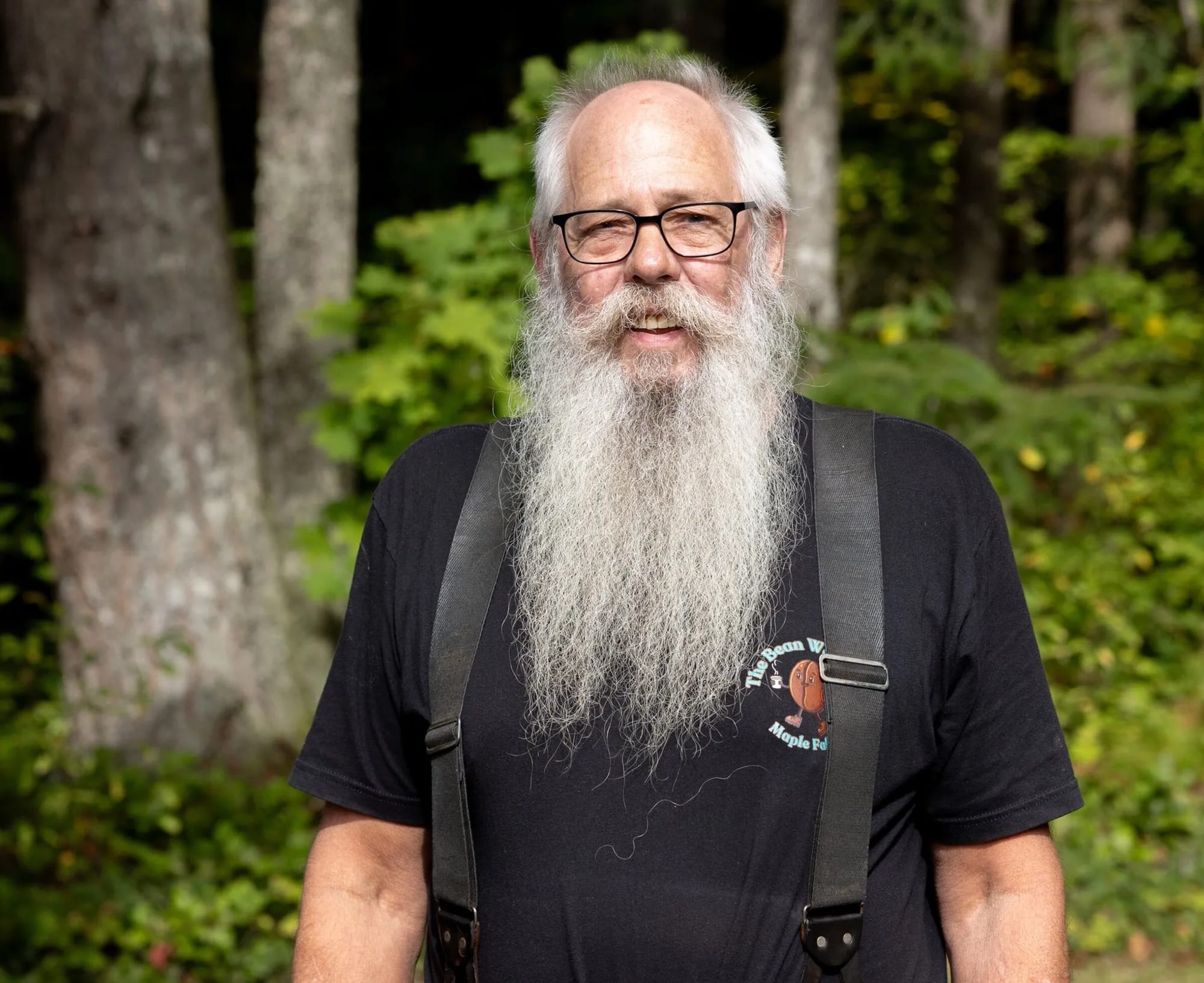
Yellowstone National Park officials have reportedly decided the fate of the bull bison involved in the viral encounter that left 65-year-old Carl Isom-McDaniel seriously injured near Bridge Bay Campground.
Despite the severity of the incident, the animal will not be put down. Park officials reportedly confirmed that no management action will be taken against the bison, meaning it will not be relocated or euthanized.
The decision came after video of the encounter spread widely online, prompting viewers to question whether the animal would face consequences for its behavior.
McDaniel was visiting Yellowstone with his 13-year-old grandson when the bull bison suddenly moved toward them. The powerful animal lifted the grandfather into the air before he fell back to the ground.
His grandson escaped without being injured, while nearby visitors worked together to distract the animal and assist McDaniel until emergency responders arrived.
McDaniel suffered a serious femur injury and underwent surgery after being transported for treatment. He later shared a reassuring update indicating that he was recovering.
The grandfather has said the situation could have ended far worse. After he fell and was unable to move, the bison remained close but did not continue attacking him.
That detail left McDaniel feeling grateful, despite the pain and seriousness of his injuries. He said the animal had the strength to cause far greater harm but did not do so.
McDaniel has also expressed support for the decision not to euthanize the bison. He reportedly does not want the wild animal punished for reacting within its natural environment.
A photographer who recorded the encounter said McDaniel was especially concerned that people might assume he had deliberately provoked the animal.
According to the witness, McDaniel and his grandson appeared to be keeping their distance before the bison unexpectedly changed direction and charged toward them.
Wildlife experts have explained that bison are not normally treated like domestic animals after encounters with visitors. They remain wild creatures living in their natural habitat, where unpredictable behavior can occur.
Park officials usually consider management action only when an animal shows repeated dangerous behavior connected to becoming comfortable around humans or seeking food from visitors.
Bison are among Yellowstone’s most powerful animals and can move much faster than their size suggests. The park advises visitors to remain at least 25 yards away and to increase that distance immediately if an animal begins approaching.
The incident happened during the summer period when bull bison can become more restless and unpredictable. Even an animal that appears calm can suddenly react to movement, nearby vehicles, other animals, or activity in the surrounding area.
The decision to spare the bull has received support from people who believe wild animals should not automatically be blamed for dangerous encounters inside their natural habitat.
Others have used the video as a reminder that Yellowstone is not a controlled wildlife attraction. Visitors enter an environment where large animals roam freely and may react without warning.
For McDaniel and his family, the main focus remains his recovery. His grandson was unharmed, and the grandfather has expressed gratitude toward the strangers who stepped forward to help him.
The bison, meanwhile, will remain in Yellowstone without management action. The decision closes one question surrounding the viral encounter while reinforcing the importance of distance, awareness, and respect whenever visitors are near wild animals.
This article was prepared using public reports, witness accounts, official-response details, and Yellowstone wildlife safety information.