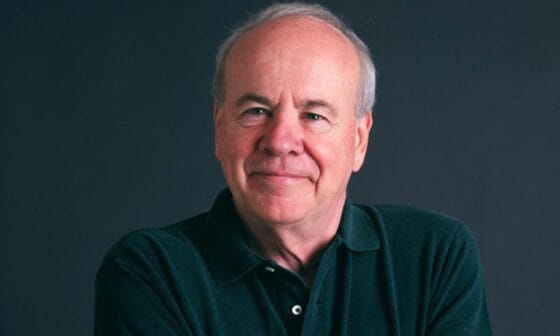
Tim Conway only wanted a simple cup of coffee, the kind of ordinary moment no one expects to remember. Instead, that harmless craving became the spark for one of television’s most unforgettable comedy disasters, transforming a routine break into a full-scale battle between man and machine.
The vending machine stood silently at first, innocent and unassuming, but the moment Conway pressed the first button, something felt off. The pause was too long. The response was wrong. From that instant on, the machine seemed less like an appliance and more like an opponent with a grudge.
With each failed attempt, Conway’s reactions grew more exaggerated yet remained perfectly restrained. His frustration simmered just beneath the surface, his expressions saying far more than words ever could. The audience sensed what was coming, and the laughter began to build before the punchline even arrived.
Every new button press made things worse. Cups dropped incorrectly, sounds echoed at the wrong time, and the promise of coffee drifted further out of reach. Conway’s patience unraveled in slow motion, turning irritation into comedy gold without ever needing to raise his voice.
The brilliance of the moment lay in its simplicity. There were no elaborate props or complicated dialogue, just a man, a machine, and the universal experience of technology refusing to cooperate. The crowd responded instantly, laughing so hard they struggled to catch their breath.
Just when it seemed the sketch had reached its peak, the chaos escalated. Harvey Korman and Carol Burnett entered at precisely the wrong — and therefore perfect — moment, instantly sensing the madness and amplifying it without stealing focus.
Their arrival tipped the scene into complete anarchy. Conway held his composure just long enough to make everyone else lose theirs. Cast members fought to stay in character, faces turning red, shoulders shaking as laughter became impossible to contain.
The studio atmosphere shifted from scripted comedy to joyful collapse. This was no longer a performance but a shared experience, where actors and audience alike were caught in the same unstoppable wave of laughter.
What made the sketch legendary was not just how funny it was, but how relatable it felt. Everyone watching had been betrayed by a machine at some point, and Conway gave that frustration a hilariously human voice.
Decades later, the scene still resonates because it captures comedy at its purest — spontaneous, honest, and driven by timing rather than noise. All Tim Conway wanted was a cup of coffee, but what he delivered instead was a timeless reminder that sometimes the smallest moments create the biggest laughs.