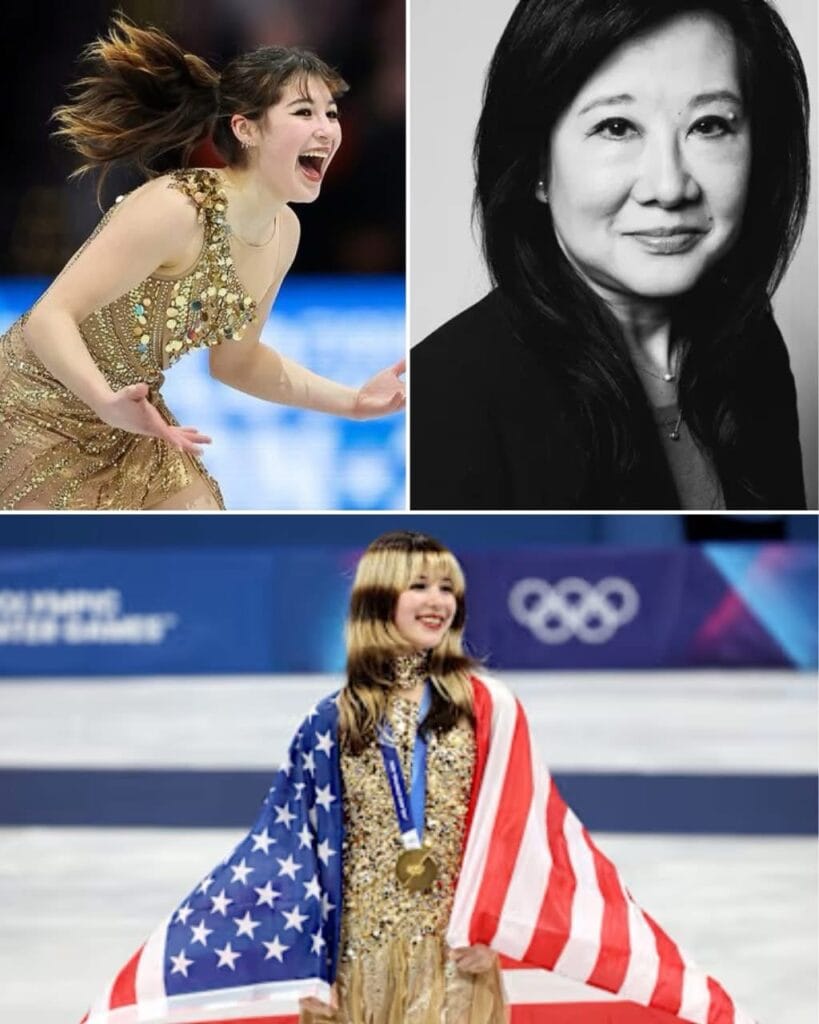
In a moment that felt almost cinematic in its intensity, Alysa Liu carved her name into Olympic history with a comeback that stunned the world. As she stepped onto the ice, the atmosphere carried a mix of anticipation and disbelief. Few athletes return from stepping away from the spotlight to reach the very top again — yet Liu didn’t just return. She conquered.
Years earlier, her sudden departure from competitive skating left fans wondering if one of the sport’s brightest talents had closed her chapter too soon. At the time, she spoke openly about burnout, pressure, and the need to rediscover balance beyond the relentless demands of elite competition. Many assumed her story had ended before reaching its ultimate peak.
But behind the scenes, a quiet transformation was unfolding. Liu rebuilt not only her physical strength but her mental resilience, approaching the sport with a renewed sense of purpose. Rather than chasing expectations, she focused on reconnecting with the joy and freedom that first drew her to the ice.
By the time she arrived at the Olympic stage, that internal shift was unmistakable. Her presence radiated calm confidence, a stark contrast to the intense pressure surrounding the competition. Each movement during her performance carried clarity and control, reflecting an athlete fully in command of both her technique and her emotions.
Her program itself unfolded like a narrative of redemption. Opening with graceful precision, she gradually built momentum, combining intricate footwork with powerful jumps that drew audible reactions from the crowd. Every landing seemed to reinforce the story she was telling — one of determination overcoming doubt.
The technical execution was matched by emotional depth. Liu’s performance went beyond athletic difficulty, capturing an expressive intensity that connected deeply with viewers. It was not simply about scoring points; it was about conveying the journey that had brought her back to that moment.
As the final notes of the music faded, the arena erupted into applause before she even struck her closing pose. The reaction reflected more than admiration for her skating — it was a collective recognition of what her return represented. She had turned years of uncertainty into a triumphant declaration of resilience.
When the results confirmed her victory, the significance of the moment became clear. Liu had not only secured Olympic gold but had rewritten the narrative of her career. Her achievement stood as a rare example of an athlete reclaiming greatness after stepping away from the sport’s demanding spotlight.
For fans around the world, her story resonated far beyond figure skating. It reflected universal themes of perseverance, self-discovery, and the courage required to start again. In a culture often focused on continuous success, Liu’s journey highlighted the power of stepping back, rebuilding, and returning stronger.
Ultimately, Alysa Liu’s comeback will be remembered not just as a championship performance, but as a defining Olympic story. On the world’s biggest stage, she transformed doubt into destiny, proving that true champions are not only those who rise quickly — but those who rise again.