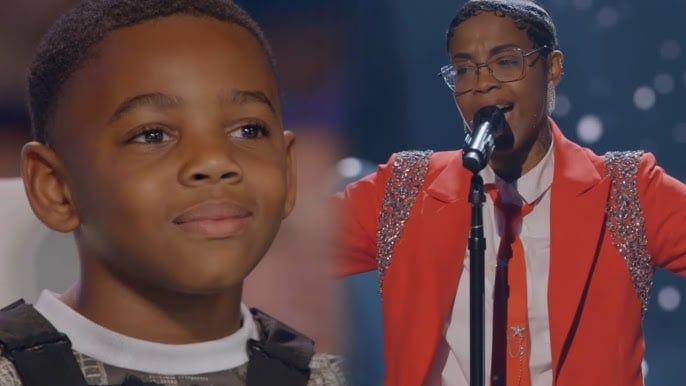
The conversation around Keyla Richardson has taken a dramatic turn, and this time, she’s the one leading it. After days of online backlash tied to rumors that she was bringing her son into the spotlight to gain votes on American Idol, Keyla finally decided to speak—and what followed has completely shifted how people are seeing the situation.
The rumor itself spread quickly. Viewers began pointing out moments during the show where cameras focused on her child, and from there, speculation took off. Some accused her of using emotional appeal to connect with voters, turning what should have been a personal part of her life into something strategic. It didn’t take long before the conversation escalated into full-blown debate.
But Keyla didn’t respond immediately. For a while, she stayed quiet, allowing the noise to build. And then, when she finally spoke, it wasn’t defensive—it was direct. In a viral clip that has now crossed over 23 million views, she addressed the accusations head-on, asking one simple but powerful question: “How can anyone even assume that?”
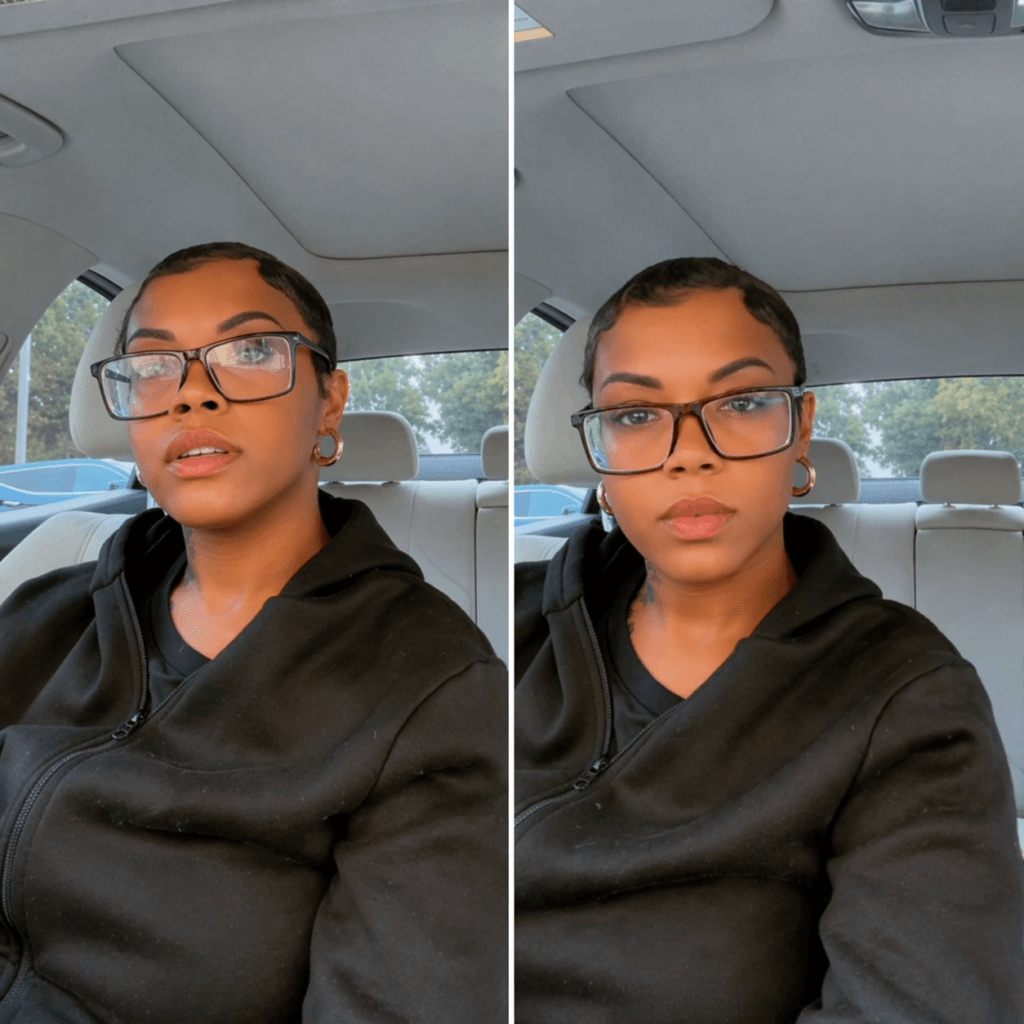
Her response didn’t come with anger—it came with honesty. She explained that her son is part of her life, not a prop for attention, and that the moments captured on camera weren’t planned or controlled by her. Instead, they were real, unscripted pieces of her journey—something she never expected to be questioned in that way.
What stood out most was her tone. There was no attempt to over-explain or justify herself. She spoke calmly, but with a clarity that made people pause. It wasn’t about proving anything—it was about setting the record straight in her own words.
As the clip spread, the reaction began to shift. Fans who had initially questioned her started to reconsider, with many admitting that they may have jumped to conclusions too quickly. Support poured in across social media, with viewers praising her for standing up without losing her composure.
At the same time, the debate didn’t disappear—it evolved. Some still questioned what they saw on screen, while others pointed out that contestants have no control over editing choices or camera focus. The situation became less about accusation and more about understanding how reality TV shapes perception.
What makes this moment so powerful is that it goes beyond just one rumor. It highlights how quickly narratives can form online, and how easily real people can be reduced to assumptions based on a few seconds of footage. Keyla’s response didn’t just defend her—it challenged that entire process.
For many fans, this has become one of the most defining moments of her journey. Not because of a performance, but because of how she handled pressure outside the stage. It showed a different kind of strength—one that doesn’t rely on vocals or applause, but on truth.
Now, as the video continues to circulate, people are still talking—not just about what was said, but about what it meant. Because in a space filled with opinions and speculation, a moment of clarity like this stands out.
And maybe that’s why it’s hitting so hard. Because sometimes, the most powerful response isn’t the loudest one—it’s the one that makes people stop, rethink, and realize they might have gotten it wrong.