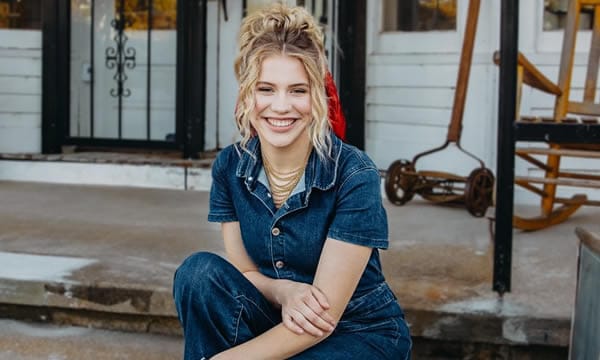
Hannah Harper’s rise on American Idol 2026 is starting to spark a familiar—but complicated—question.
Is she simply excelling… or does her level make the competition feel uneven?
There’s no denying her momentum.
Millions of views, consistent performances, and growing fan support have pushed her into a clear spotlight while others are still trying to break through.
That contrast is what’s driving the debate.
Some critics argue that her polish and presence feel closer to a finished artist than a developing contestant, making the playing field seem tilted.
But that assumes the show is meant to be equal.
It isn’t, and it never has been.
American Idol has always mixed raw, undiscovered voices with performers who already have experience, confidence, or a strong sense of identity.
That’s part of what makes it unpredictable.
Being “too good” doesn’t guarantee anything.
In fact, frontrunners often face more pressure—higher expectations, harsher criticism, and less room for mistakes.
There’s also the audience factor.
No matter how viral someone becomes, they still need votes. Visibility helps, but connection is what sustains momentum.
And that’s where Hannah stands out.
Her appeal isn’t just technical—it’s emotional. People aren’t only watching her; they’re relating to her.
The “taking someone else’s chance” argument is more philosophical than practical.
The show isn’t designed to distribute opportunity evenly—it’s designed to reward the contestant who resonates most with viewers.
In that sense, she’s not breaking the system.
She’s working within it—effectively.
At the same time, the conversation itself says something important.
Fans don’t just want talent—they want fairness, growth, and a sense that the journey matters as much as the result.
In the end, Hannah Harper isn’t too good for American Idol.
She’s exactly the kind of contestant the show was built to elevate—and whether that feels inspiring or intimidating depends on how you see the competition.