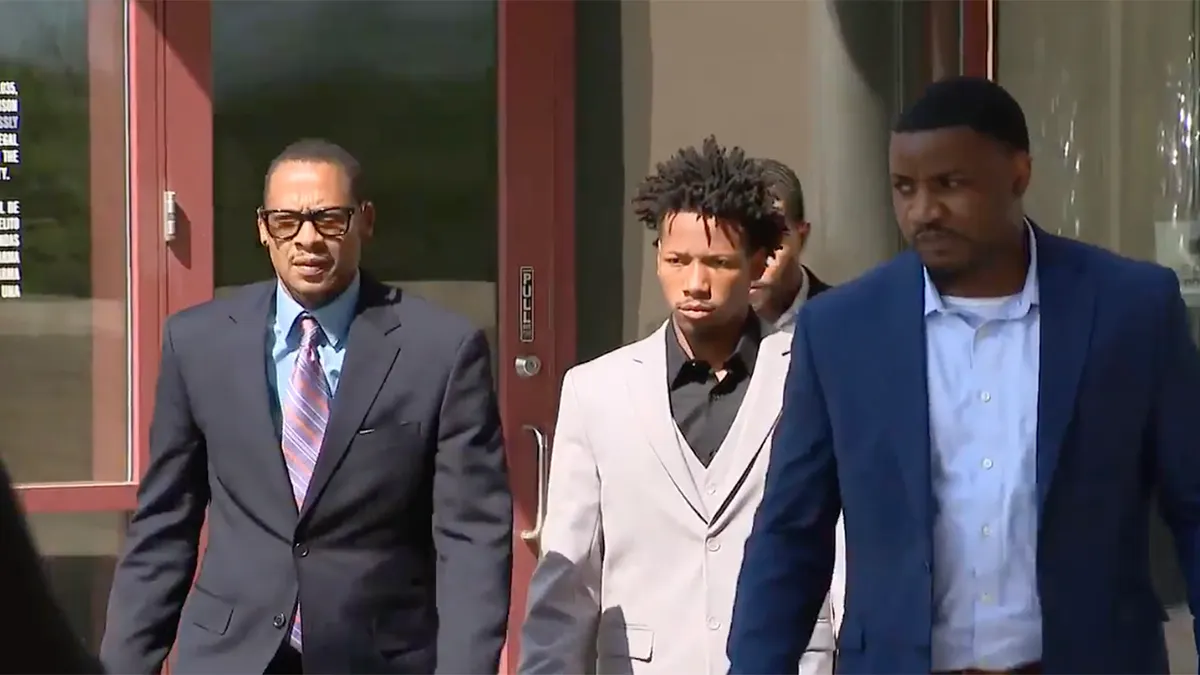
A controversial crowdfunding campaign created for Karmelo Anthony and his family was taken offline after Anthony was convicted of murder and sentenced to 35 years in prison for the fatal stabbing of 17-year-old Austin Metcalf. The GiveSendGo fundraiser had raised roughly $630,000 before it disappeared from the platform, making it one of the most debated parts of the case outside the courtroom.
The campaign was launched after Anthony’s arrest in connection with the April 2025 killing at a high school track meet in Frisco, Texas. As the case gained national attention, donations poured in from supporters who believed Anthony acted in self-defense or felt his family needed help during the legal battle.
GiveSendGo confirmed that the page was closed after the trial ended, saying the campaign had completed the purpose it was created for. The company said the fundraiser was meant to support pre-trial needs and that the funds had been disbursed over the last year.
The timing of the removal drew attention because donations were still reportedly coming in even after the guilty verdict. Reports said more than $4,000 was donated after Anthony was convicted, raising questions about whether those final contributions would still be processed and sent to the family.
GiveSendGo CEO Jacob Wells said the company could not discuss every detail of the movement of campaign funds, but said they would be handled according to the platform’s normal process. He also said Anthony’s family could potentially create a new campaign in the future if it follows the site’s terms of service.
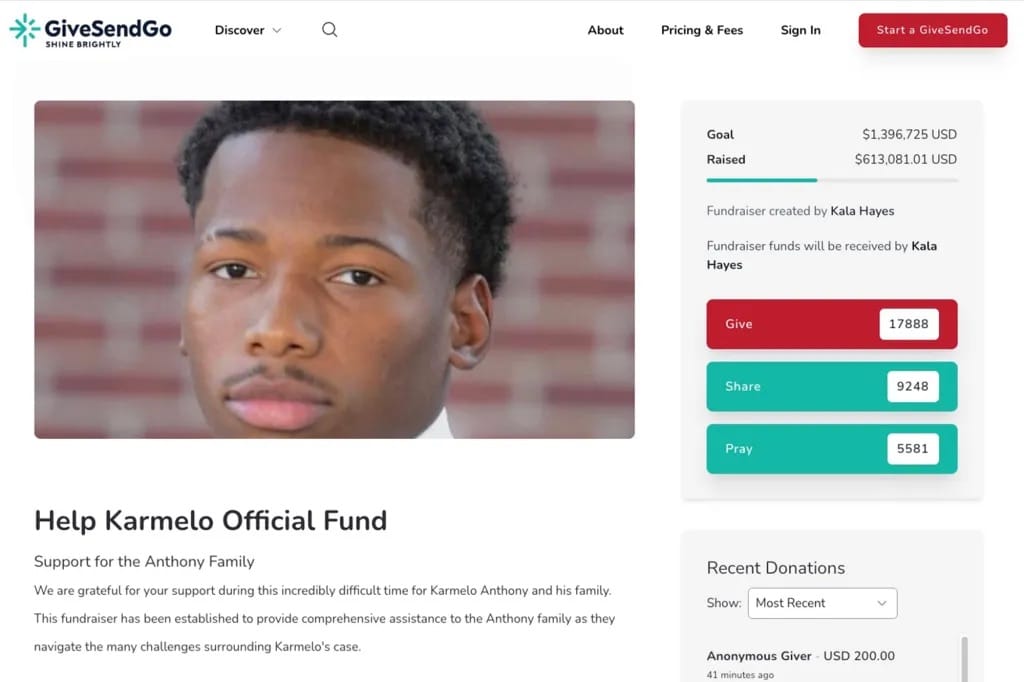
The fundraiser had already faced heavy criticism before it was removed. Many critics questioned why a campaign connected to a murder defendant remained active, especially after Anthony was convicted and sentenced. Others argued that fundraising for legal support and family needs should not automatically be treated as an endorsement of the person’s actions.
GiveSendGo defended its decision to host the campaign, saying that allowing a fundraiser does not mean the platform supports a person, their actions, their legal arguments, or their public statements. The company said it provides access to lawful fundraising and does not act as the judge or jury in criminal cases.
The campaign also became surrounded by rumors, including claims that Anthony’s family had used donation money to buy a home or luxury items. GiveSendGo and earlier fact-checking reports pushed back on those allegations, saying there was no verified evidence that the family had used campaign funds that way.
Organizers said the money was intended for legal expenses, relocation costs tied to safety concerns, living needs, transportation, counseling, and security. That broad list of purposes became another source of public criticism, with some people saying the fundraiser had expanded beyond what they believed donors were originally supporting.
With the campaign now closed, the legal and public debate around the case is still not over. Anthony has been convicted and sentenced, but questions about the fundraiser, the appeal process, and the role of online support in high-profile criminal cases continue to follow a tragedy that left Austin Metcalf’s family grieving and the public deeply divided.