A disturbing TikTok trend connected to Austin Metcalf’s death has sparked widespread outrage, with many people saying the videos cross a line that should never be treated as entertainment.
Austin, a 17-year-old student-athlete from Frisco, Texas, was killed during a high school track meet in April 2025. Karmelo Anthony was later convicted of murder and sentenced to 35 years in prison after jurors rejected his self-defense claim.
Now, the case is back in the spotlight for a different reason. Videos have reportedly appeared online showing users dancing to a song called “Austin Bop,” with some clips appearing to mock the tragedy and the pain Austin’s family has endured.
The trend has angered viewers because it turns a teenager’s death into viral content. Many people online have called the videos cruel, disrespectful, and deeply painful for a family still grieving.
According to reports, some of the clips include gestures and captions referencing the case. Others appear to use the song to make light of the moment that took Austin’s life, which has led to heavy backlash across social media.
The outrage grew because the trial itself was already emotionally charged. Anthony’s conviction and 35-year sentence divided public opinion, with his supporters arguing he acted in self-defense and critics saying the jury made the right decision based on the evidence.
Newly released surveillance and body-camera footage had already brought the case back into public discussion. The Associated Press reported that the footage showed the aftermath of the fatal encounter, including Anthony’s emotional statements to officers after he was taken into custody.
But the TikTok trend has created a different kind of anger. This time, people are not just debating the legal case; they are condemning the way some users appear to be using a real tragedy for attention.
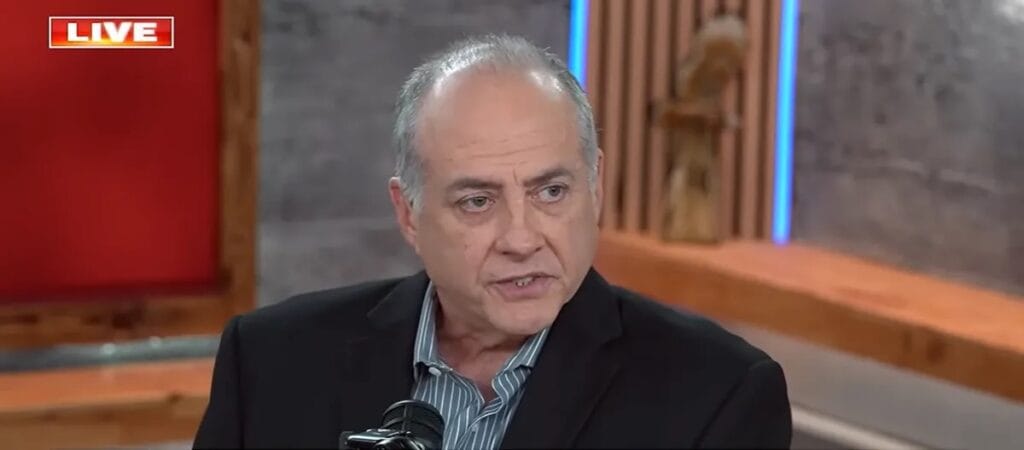
Austin’s father, Jeff Metcalf, has already spoken publicly about the pain caused by misinformation and online commentary surrounding the case. He has said that many people formed opinions without seeing the facts presented at trial.
The trend also comes at a time when both families have faced harassment and public hostility. Reports have described threats, doxxing, swatting incidents, and ugly online behavior targeting people connected to the case.
That wider atmosphere is part of why the videos have struck such a nerve. For many viewers, the trend represents how quickly social media can turn grief into a performance and real people into props for clicks.
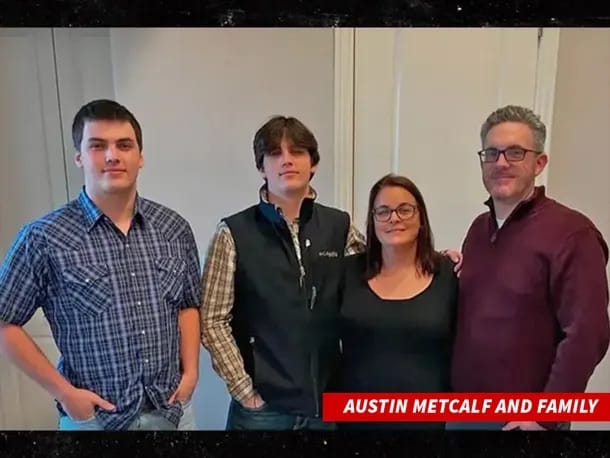
Critics say the most troubling part is that Austin was not a public figure or celebrity. He was a teenager whose family, friends, teammates, and classmates are still living with the loss.
The backlash has also raised questions about whether platforms should remove content that appears to mock victims or encourage cruel behavior around real tragedies.
For now, the videos have only intensified the already heated conversation around the case. What began as a courtroom battle over evidence and self-defense has now become another example of how social media can make a painful story even harder for those left behind.
Austin Metcalf’s family has already endured the trial, the public debate, and the appeal fight. This latest trend has added one more painful chapter — and for many people watching online, it is a reminder that some moments should never become a joke.