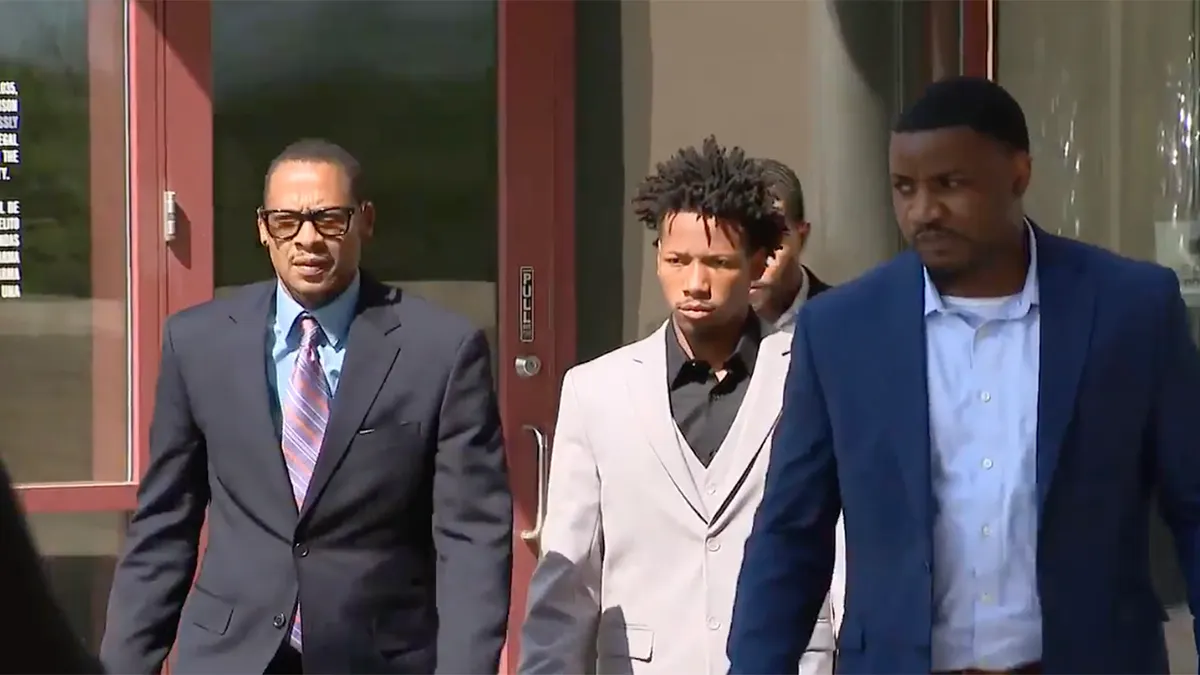
After Karmelo Anthony was convicted of murder in the fatal stabbing of 17-year-old Austin Metcalf, public attention quickly shifted back to the online fundraiser that continued running in his family’s name. The verdict had been delivered, but the campaign remained active, and that decision has now created a new wave of anger aimed not only at Anthony’s family, but also at GiveSendGo.
As of June 2026, the “Help Karmelo Official Fund” on GiveSendGo had raised more than $626,000. The fundraiser did not stop after the guilty verdict, and donations continued coming in from supporters who still believe Anthony acted in self-defense or who believe his family still deserves financial help despite the jury’s decision.
According to the campaign page, the money was not listed only for legal defense. The page also said donations would support relocation, living expenses, transportation, counseling, and security needs. That broader purpose has drawn criticism from people who say many donors may not have understood how wide the campaign’s stated expenses had become.
After the verdict, calls for GiveSendGo to remove the fundraiser grew louder across social media. Critics argued that the campaign was now raising money for the family of someone convicted of murder, while others questioned why a faith-based fundraising platform would allow the page to stay online after a jury had spoken.
GiveSendGo responded by defending its decision and saying it is not the judge or jury in the case. The platform said its role is to give people the opportunity to raise funds while allowing the justice system to handle guilt, punishment, and legal outcomes.
The platform also addressed one of the most viral claims surrounding the fundraiser: the allegation that Anthony’s family used donation money to buy a home. GiveSendGo said that claim was false and stated that the family had not received funds from the campaign at the time those rumors were spreading.
But the fundraiser is not the only reason critics are upset. A separate website connected to the “Justice for Karmelo” movement has also been selling merchandise, including hoodies and shirts. The items were reportedly available before the verdict and remained listed afterward, fueling more backlash online.
For many observers, the merchandise crossed a line that the fundraiser alone had not. They argued that selling branded clothing connected to a teen convicted in another teenager’s death felt deeply insensitive while Austin Metcalf’s family continues to grieve.
Anthony’s online support system also remains active beyond the fundraiser and merchandise. A Facebook group called “Justice For Karmelo” has more than 51,000 members, while another private group has attracted thousands more. In those spaces, supporters continue sharing their own version of the case and pushing back against the verdict.
Still, none of the online support changed what happened in court. A jury heard the evidence, rejected the self-defense claim, and convicted Anthony of murder. Now, as the fundraiser continues and merchandise remains available, the public debate grows louder while Austin Metcalf’s family is left with a loss no campaign, post, or donation total can undo.