A recent podcast appearance by Vince Vaughn is quickly gaining attention after the actor delivered a blunt and unfiltered take on the current state of late-night television. What started as a casual conversation quickly turned into a much bigger moment, as his comments began circulating widely across social media.
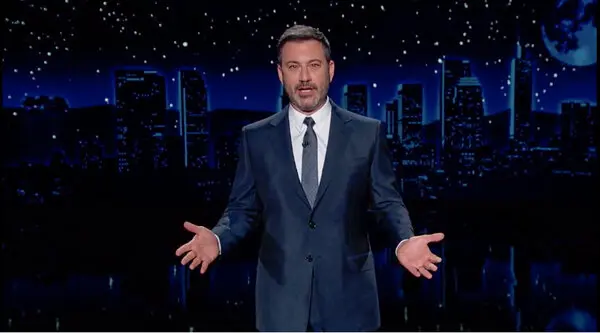
At the center of the discussion were shows hosted by Stephen Colbert and Jimmy Kimmel, two of the most recognizable faces in the late-night space. Vaughn didn’t hold back as he shared his perspective, suggesting that the tone of these programs has shifted in a way that doesn’t resonate with audiences the way it once did.
His message was direct.
According to Vaughn, the humor that once defined late-night television feels less present now, replaced by content that comes across as more serious or opinion-driven. He implied that what used to be a place for lighthearted entertainment has, in some cases, taken on a different tone entirely.
That comment alone was enough to spark debate.
Fans quickly began reacting, with some agreeing strongly with Vaughn’s perspective, saying they’ve noticed a similar shift in recent years. Others pushed back, arguing that late-night shows have always reflected the cultural moment and that evolution is part of staying relevant.
The conversation grew even bigger as clips from the podcast spread.
Short excerpts highlighting Vaughn’s most pointed remarks were shared across platforms, drawing in viewers who may not have seen the full discussion. As more people joined in, the topic shifted from one opinion to a broader conversation about the direction of the entire genre.
For many, the debate comes down to expectations.
Some viewers look to late-night television purely for entertainment and humor, while others appreciate when hosts engage with current events and social commentary. Balancing those two elements has always been part of the format, but opinions differ on whether that balance has changed.
Vaughn’s comments tapped into that divide.
By expressing frustration with what he sees as a loss of comedic focus, he voiced a sentiment that clearly resonates with a portion of the audience. At the same time, it highlighted how divided viewers are on what late-night shows should be.
The timing also played a role.
With media consumption habits changing and audiences having more options than ever, late-night television is already navigating a shifting landscape. Comments like Vaughn’s only add to the ongoing conversation about how the format should adapt moving forward.
For Colbert and Kimmel, the reaction is part of a larger cycle.
Public figures in prominent roles are often at the center of these kinds of debates, especially when discussions around tone, content, and audience connection come into play.
And now, the conversation continues to grow.
What started as a single podcast moment has turned into a wider discussion about comedy, media, and audience expectations — one that doesn’t seem to be slowing down anytime soon.