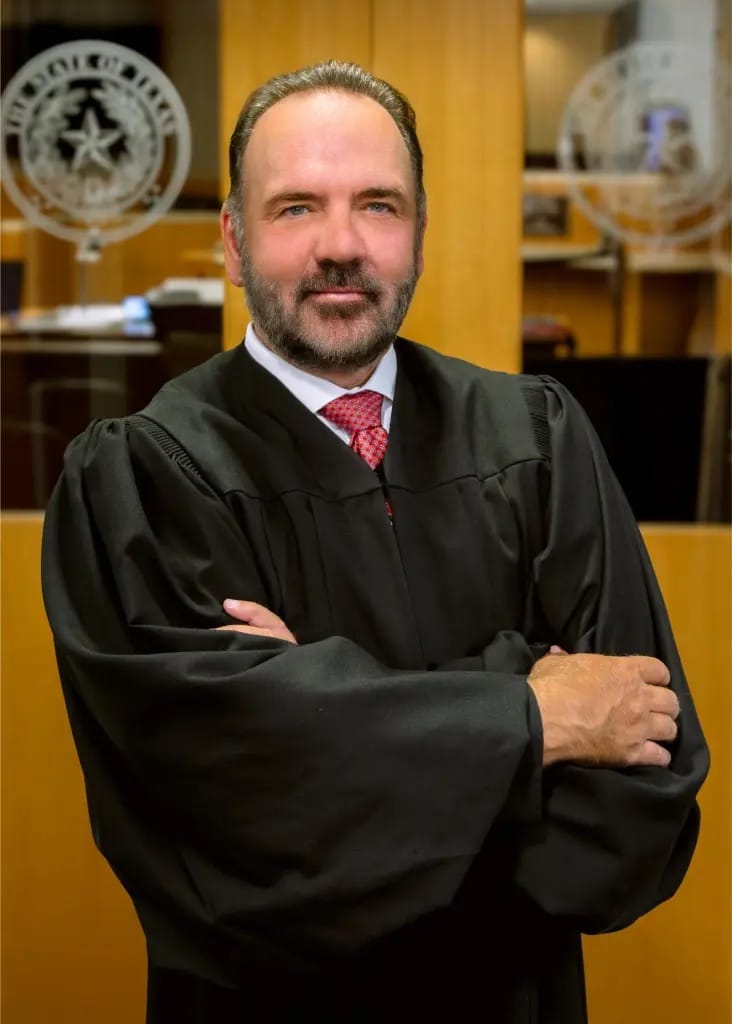
Judge John Roach is speaking publicly about the Karmelo Anthony trial, defending the decisions he made in one of the most debated Texas cases of the year.
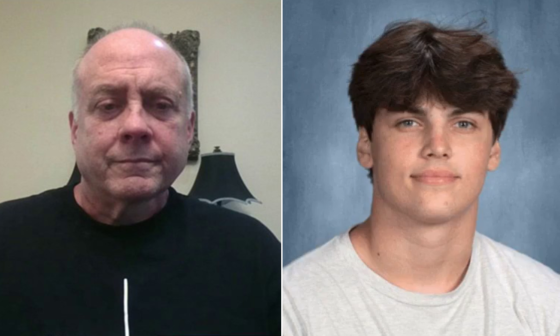
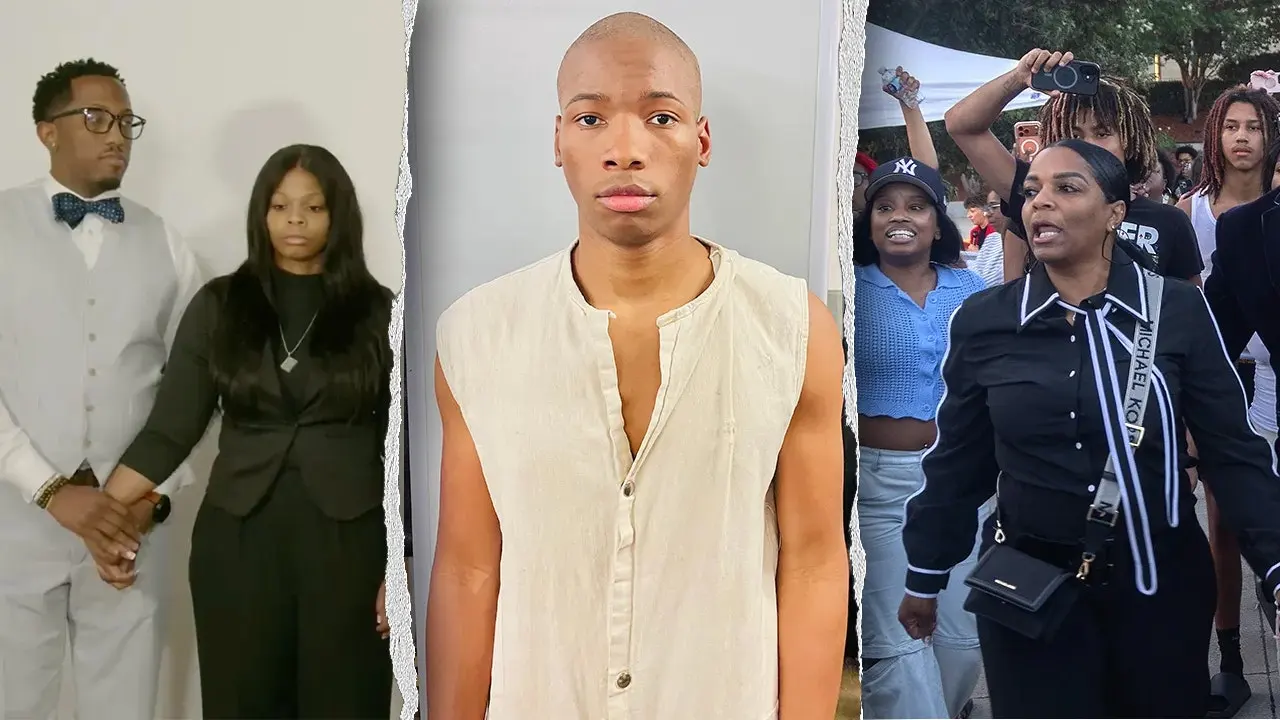
Roach, who serves on the 296th District Court in Collin County, oversaw Anthony’s trial after the 19-year-old was charged in the fatal stabbing of 17-year-old Austin Metcalf at a high school track meet in Frisco, Texas.
The case drew national attention long before the verdict. Supporters from both sides, activists, media personalities, and online commentators closely followed every development as the trial unfolded.
In an interview with WFAA-TV, Roach said he did not hesitate when the case was assigned to him. He described it as part of his responsibility as a judge, even knowing the trial would bring intense public attention.
Roach said major cases come with the job, and his duty was to handle the proceedings according to the law. He made clear that public pressure did not change how he viewed his role in the courtroom.
One of the most criticized decisions he made was banning cameras from the trial. Many people wanted the proceedings livestreamed or recorded because of the huge public interest surrounding the case.
Roach defended that decision, saying his main concern was protecting the fairness of the trial. He said his responsibility was to make sure both the defendant and the prosecution received a fair process.
The judge acknowledged that the camera ban upset people. But he said his job was not to please the public, but to follow the law and maintain control of the courtroom.
That decision became even more controversial as online rumors and misinformation spread during the trial. Without cameras inside, people on social media debated what was happening based on reports, commentary, and speculation.
Roach said he understood that his ruling made people mad. Still, he stood by the decision and said he believed it was the right call for the case.
After hearing the evidence, the jury convicted Anthony on June 9, 2026. The panel then had several sentencing options available, ranging from a short prison term to a life sentence.
Jurors ultimately sentenced Anthony to 35 years in prison. The verdict and sentence quickly became another point of heated debate, with some saying it was too harsh and others saying it reflected the seriousness of the case.
Roach said he believed the jury reached the correct conclusion based on the facts presented in court. He emphasized that the jurors were the ones who listened to the evidence and made the final decision.
Anthony’s defense team has already filed an appeal, arguing that there are legal issues for higher courts to review. Attorney Mike Howard has said the appeal will focus on questions the defense believes deserve closer examination.
For now, Roach is standing by how the trial was handled. Even as public debate continues, the judge’s message is clear: he knew his decisions would anger some people, but he believes his duty was to protect the legal process, not win approval outside the courtroom.