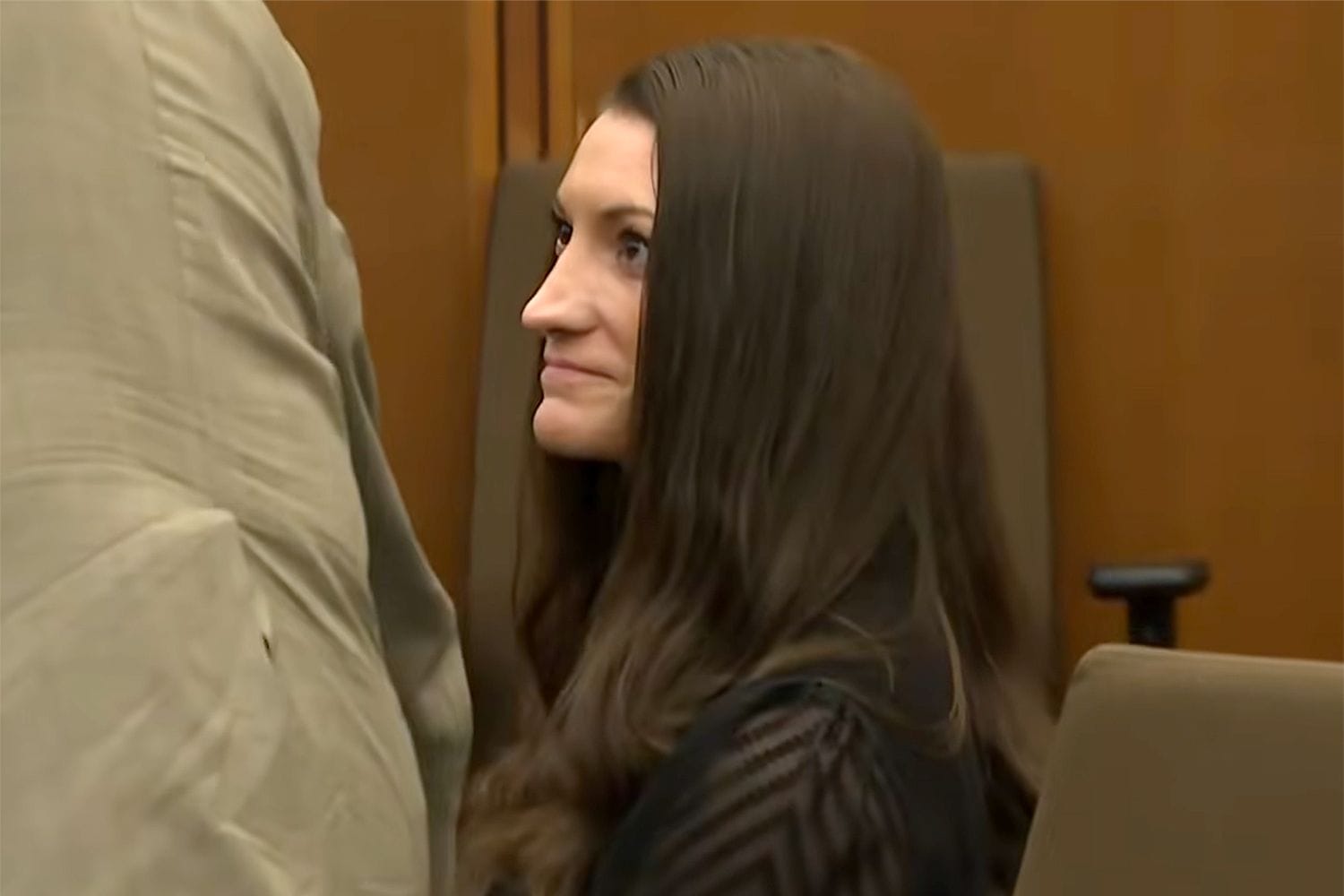
Lindsay Clancy made a rare in-person appearance in a Massachusetts courtroom as her attorney painted a grim picture of her mental state in the months before the deaths of her three young children.
Clancy, 35, appeared in Plymouth County Superior Court ahead of her trial, which is scheduled to begin on July 20, 2026. She is charged with killing her children, Cora, 5, Dawson, 3, and Callan, 8 months, at the family’s Duxbury home in January 2023.
Her attorney, Kevin Reddington, told the judge that Clancy had been struggling through months of severe mental health problems before the tragedy. He described her condition in stark terms, saying she was “practically” in a vegetative state as her husband took her to doctors and hospitals.
Reddington said Clancy’s husband, Patrick Clancy, had been bringing her to appointments while doctors prescribed medication and tried to manage her condition. The defense has said Clancy was suffering from severe postpartum mental illness, including postpartum psychosis.
The defense is expected to ask jurors to find Clancy not guilty by reason of insanity. That argument will likely become the center of the trial, as jurors are asked to consider not just what happened, but what Clancy’s mental state was at the time.

Prosecutors have argued a different version of the case. They have alleged that Clancy planned the killings and took deliberate steps before the children were found dead inside the home.
The latest hearing focused on what evidence the jury will be allowed to hear and see during trial. Judge William Sullivan approved a prosecution request allowing jurors to visit the family’s former Duxbury home so they can better understand the layout and scene.
The judge also addressed whether Patrick Clancy’s 911 call could be played for jurors. Reports said the court is expected to allow the call, though the defense has raised concerns about the emotional impact of some evidence.
Reddington also argued that Clancy’s mother, father, and sister should be allowed to remain in court and later testify. He said they lived through the months leading up to the tragedy and could explain what they observed as the family tried to help her.
The judge sided with the defense on that issue, allowing those relatives to hear other witness testimony instead of being barred from the courtroom. Their testimony could become important as the defense tries to show how Clancy’s condition appeared to the people closest to her.
Clancy and her husband have also filed lawsuits against medical providers who treated her before the children’s deaths. The lawsuits claim she was misdiagnosed and overmedicated while her mental health was deteriorating.
People reported that Clancy’s defense has said she had been prescribed numerous medications before the tragedy. That issue may become a major part of the trial as both sides argue over what doctors knew, what they missed, and how her treatment affected her.
The case has drawn national attention because of the heartbreaking deaths, the mental health questions, and the controversy over postpartum illness being raised as a legal defense. Advocates have also warned that the case should not be used to stigmatize mothers experiencing postpartum depression or other postpartum conditions.
Clancy has pleaded not guilty to the charges against her. She remains in state custody and is now wheelchair-bound after being seriously injured following the incident.
As the July trial approaches, the courtroom battle is becoming clearer. Prosecutors will try to prove Clancy acted with criminal responsibility, while the defense will argue that her mental state made her legally insane at the time.
For the families involved, the trial will reopen one of the most painful cases Massachusetts has seen in years. For the public, it will force difficult questions about mental illness, medical treatment, criminal intent, and whether the law can fully measure a tragedy this devastating.