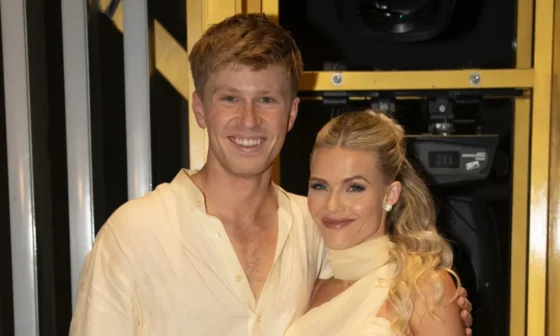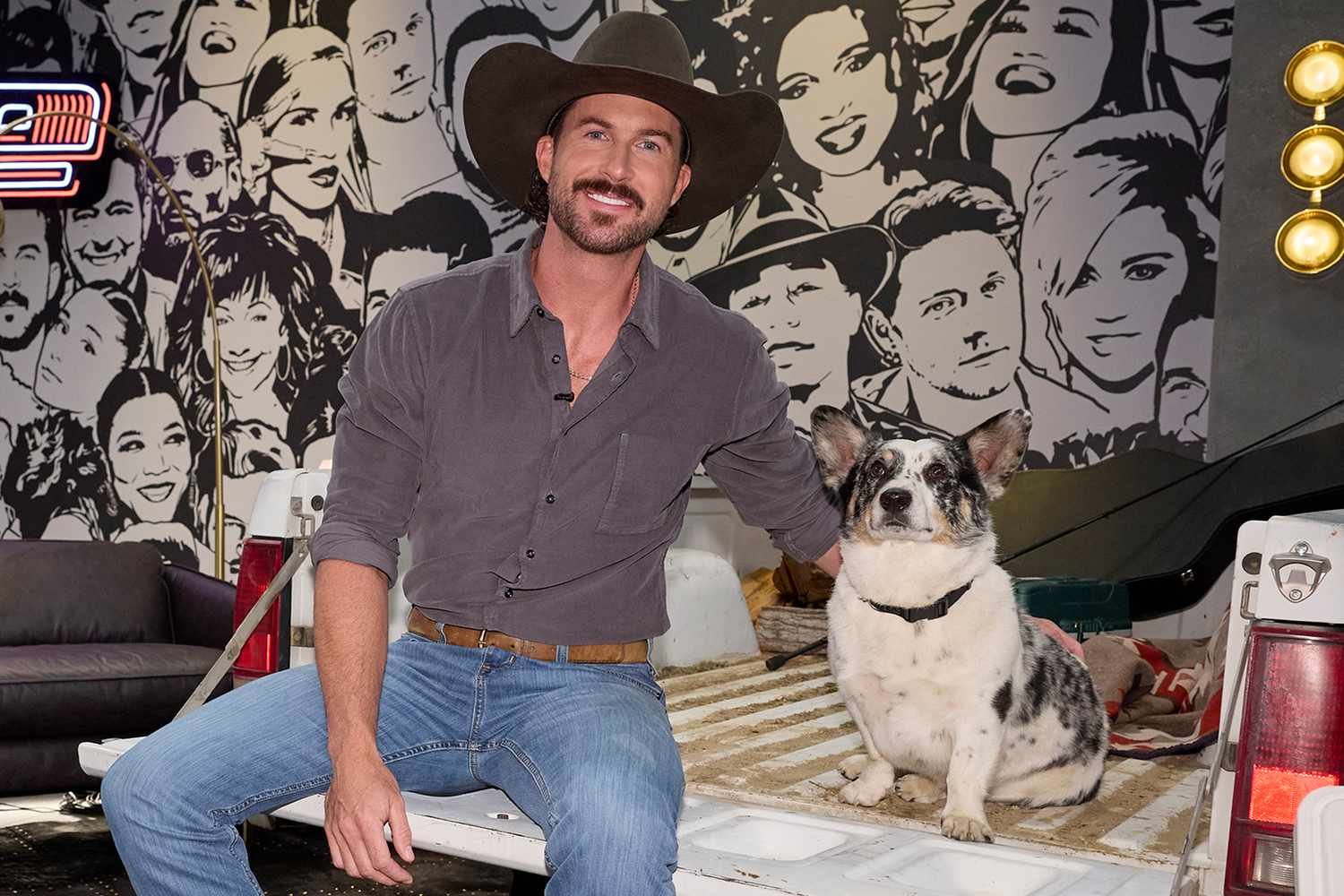
A difficult decision by Riley Green has become a major talking point among The Voice Season 30 viewers after Allie Rae and Harmony McKee delivered an emotional Battle performance. Their rendition of Bill Withers’ classic “Ain’t No Sunshine” showcased two distinctive voices, but it was Green’s decision to keep his original First In pick that left fans divided.
The Battle brought together two talented singers from Team Riley, each hoping to secure a place in the next round. With only one guaranteed spot available, the performance carried enormous pressure for both artists, especially as they prepared to sing one of soul music’s most recognizable songs.
“Ain’t No Sunshine” is a deceptively challenging choice for a singing competition. Its familiar melody leaves little room to hide vocal weaknesses, while its emotional lyrics require performers to communicate heartbreak and vulnerability without overwhelming the song.
Allie and Harmony approached the performance with their own musical personalities, creating a compelling contrast that made Green’s decision especially difficult. Rather than relying entirely on vocal power, the singers had to demonstrate control, expression, and the ability to connect with the song’s emotional message.
For Green, the Battle carried additional significance because one of the contestants had already earned his First In recognition during the Blind Auditions. That distinction represented an early expression of confidence from the country star, making the eventual outcome particularly interesting.
When the performance ended, Green was faced with the challenge of deciding which artist best suited his vision for the next stage. Both singers had demonstrated potential, but their different approaches meant the decision could not be reduced to a simple comparison of vocal ability.
Ultimately, Green chose to keep his First In pick, Allie Rae, allowing her to continue representing his team. The decision brought relief for Allie but disappointment for Harmony, whose performance had also made an impression.
What attracted particular attention was Green’s reasoning. His decision appeared to reflect more than the individual Battle performance, raising questions about how much a coach should consider an artist’s earlier audition, long-term potential, and place within the team when choosing a winner.
That distinction is important because the Battle Rounds are not judged solely on who sings the loudest or delivers the most technically impressive moments. Coaches also evaluate consistency, artistic identity, adaptability, and whether a contestant can continue developing as the competition becomes more demanding.
Still, some viewers felt Harmony had done enough to deserve the victory. Her performance generated support from those who believed the Battle itself should carry the greatest weight, regardless of which contestant had received special recognition during the Blind Auditions.
Others supported Green’s choice, arguing that his early confidence in Allie was part of a broader assessment of her talent. From that perspective, keeping a First In artist does not necessarily mean the coach is showing favoritism; it may simply reflect a belief in that singer’s potential over the course of the competition.
The disagreement highlights one of the most difficult aspects of The Voice. A coach must make decisions that affect contestants’ futures while balancing the performance viewers have just witnessed against the progress and possibilities observed during rehearsals and earlier rounds.
For Allie Rae, the victory means another opportunity to prove that Riley Green’s faith in her was justified. For Harmony McKee, the Battle demonstrated her talent even though she did not receive the result she wanted. As Season 30 moves toward its next stage, Green’s decision serves as another reminder that a memorable performance does not always guarantee advancement—and that the reasoning behind a coach’s choice can be just as controversial as the outcome itself.