More than a decade after it first echoed across the Eurovision stage, one performance continues to spark passionate debate among music fans throughout Europe and beyond.
For some, it remains one of the greatest Eurovision performances ever delivered. For others, it represents a style of music that no longer fits the modern competition. But whether people loved it or criticized it, one thing has never changed:
Nobody forgot it. When Il Volo stepped onto the stage at the Eurovision Song Contest 2015 to perform Grande Amore, they immediately stood apart from nearly every other act in the competition.
There were no elaborate dance routines.
No flashing gimmicks. No complicated staging concepts designed to dominate social media. Instead, viewers were presented with something much simpler.
Three singers. Three powerful voices. And a song built entirely around emotion.
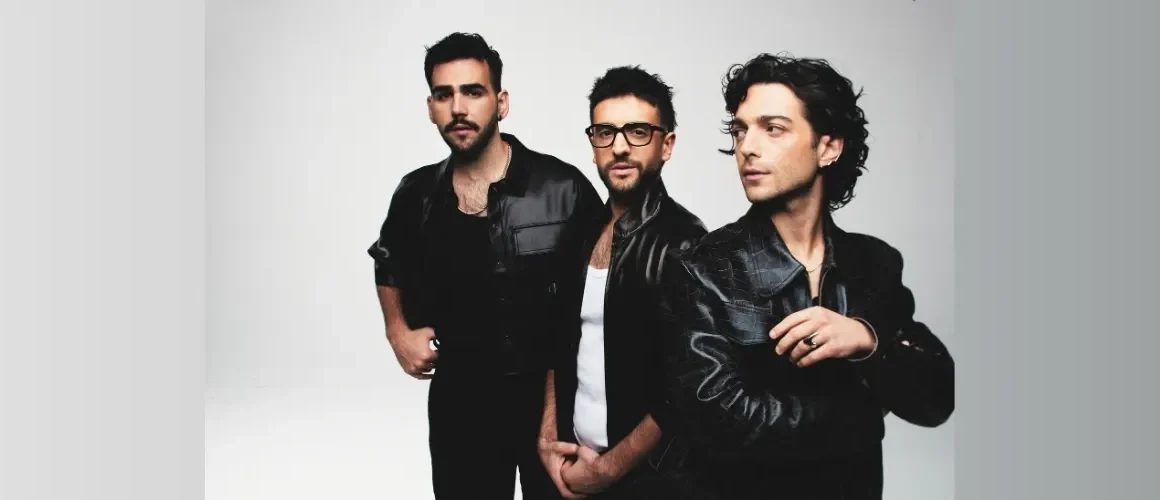
From the opening moments, the performance carried a sense of confidence that felt uniquely Italian. Dressed in elegant suits, Gianluca Ginoble, Piero Barone, and Ignazio Boschetto appeared completely at ease despite performing in front of millions of viewers.
Fans often describe that confidence as one of the reasons the performance remains so memorable.
Rather than trying to compete with spectacle, Il Volo leaned fully into their greatest strength: their voices.
As the song progressed, the atmosphere inside the arena began to change.
What started as a strong performance gradually transformed into something much larger.
The dramatic orchestration, soaring melodies, and emotional delivery gave the performance a cinematic quality rarely seen in Eurovision entries. Many viewers felt as though they were watching an opera-inspired concert rather than a typical competition performance.
Then came the chorus.
For many fans, that is the moment everything changed.
The trio’s harmonies exploded with power and precision, filling the arena with a sound that felt both grand and deeply emotional. The performance seemed to capture elements of Italy’s artistic history, blending classical influences with modern accessibility.
Supporters immediately embraced it.
Many viewers believed they were witnessing the winning performance.
In fact, years later, countless Eurovision fans still argue that “Grande Amore” was the true standout of the competition and deserved even greater recognition than it received.
But that same quality is also what created controversy.
While many viewers celebrated the song’s elegance and timeless appeal, others argued that Eurovision had evolved beyond traditional vocal showcases. Critics felt the performance was too classical and too conventional compared to the increasingly experimental direction of the contest.
The disagreement quickly became part of Eurovision history.
One side praised the performance as sophisticated, emotional, and unforgettable.
The other viewed it as beautiful but out of step with what modern Eurovision had become.
Years later, neither side has completely changed its mind.
And perhaps that is the strongest evidence of the performance’s impact.
Most Eurovision entries fade from public conversation within months.
“Grande Amore” never did.
Fans continue sharing clips, debating rankings, and introducing new generations of viewers to the performance. Even people who disagree about its place in Eurovision history often agree on one point:
It remains impossible to ignore.
The performance also helped transform Il Volo’s international career.
Already successful before Eurovision, the trio gained an even larger global audience as millions of viewers discovered their distinctive blend of pop and operatic music.
Today, the performance remains one of the defining moments of their career.
A reminder that sometimes the most memorable performances are not the loudest or most extravagant.
Sometimes they are simply the most sincere.
Three voices.
One song.
One nation proudly presenting its musical identity to the world.
And a Eurovision performance that, years later, still refuses to fade from memory.