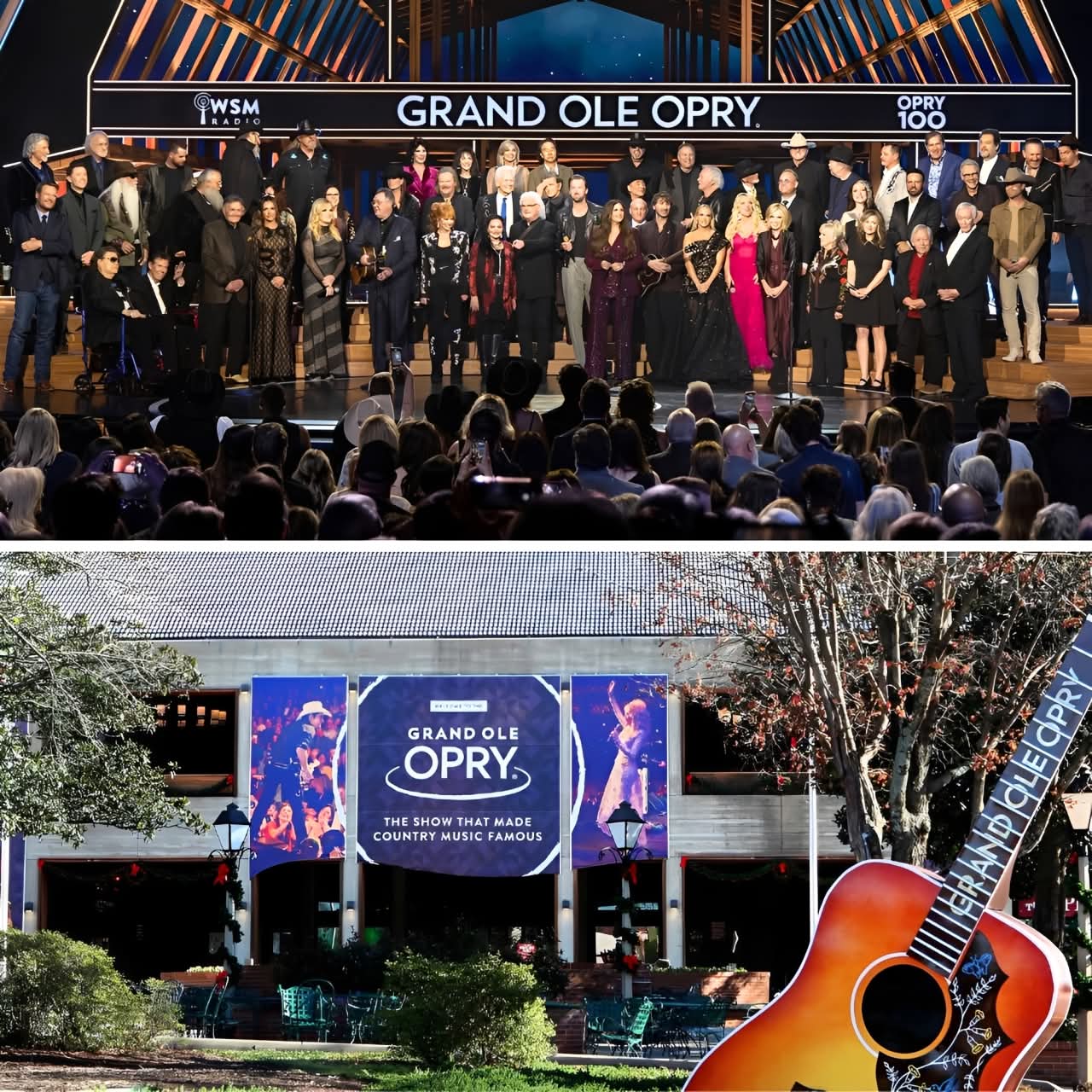
The Grand Ole Opry has long stood as one of the most treasured institutions in country music, welcoming legendary performers and introducing generations of rising stars to audiences around the world. Now, reports that its parent company could be sold have sparked widespread discussion about what the future may hold for one of Nashville’s most iconic landmarks.
For more than a century, the Grand Ole Opry has represented the heart of country music. Since its founding in 1925, the historic stage has hosted countless unforgettable performances and has become a symbol of tradition, excellence, and musical heritage.
News that the Opry’s parent company may be exploring strategic options, including a possible sale, has prompted concern among fans who fear changes could affect the institution’s historic identity. Many have taken to social media to express their hopes that the Opry’s legacy will be carefully preserved.
Despite the speculation, it is important to note that no final agreement has been announced. Discussions surrounding a potential sale involve the parent company’s broader business interests, and there has been no official indication that the Grand Ole Opry itself would cease operations or abandon its longstanding traditions.
Industry observers point out that ownership changes are not uncommon in the entertainment business. In many cases, historic venues continue operating successfully under new ownership while maintaining their cultural significance and public mission.
The Grand Ole Opry remains one of the most respected stages in American music. Becoming an Opry member is still considered one of country music’s highest honors, and the venue continues to attract both legendary performers and emerging artists.
Fans’ emotional reactions reflect the deep connection people feel toward the Opry. For many families, attending a performance is a cherished tradition, while for countless musicians, standing inside the famous circle on the Opry stage represents the realization of a lifelong dream.
Country music historians also emphasize the Opry’s importance beyond entertainment. The venue has played a central role in preserving the genre’s history while helping introduce new generations of artists to audiences around the world.
As conversations continue, supporters remain hopeful that any future ownership decisions will recognize the extraordinary cultural value of the Grand Ole Opry and protect the traditions that have made it an enduring symbol of country music.
While uncertainty has naturally led to questions, one thing remains clear: the Grand Ole Opry occupies a unique place in music history. Whatever the outcome of ongoing business discussions, fans everywhere share the same wish—that this legendary stage will continue inspiring artists and audiences for generations to come.