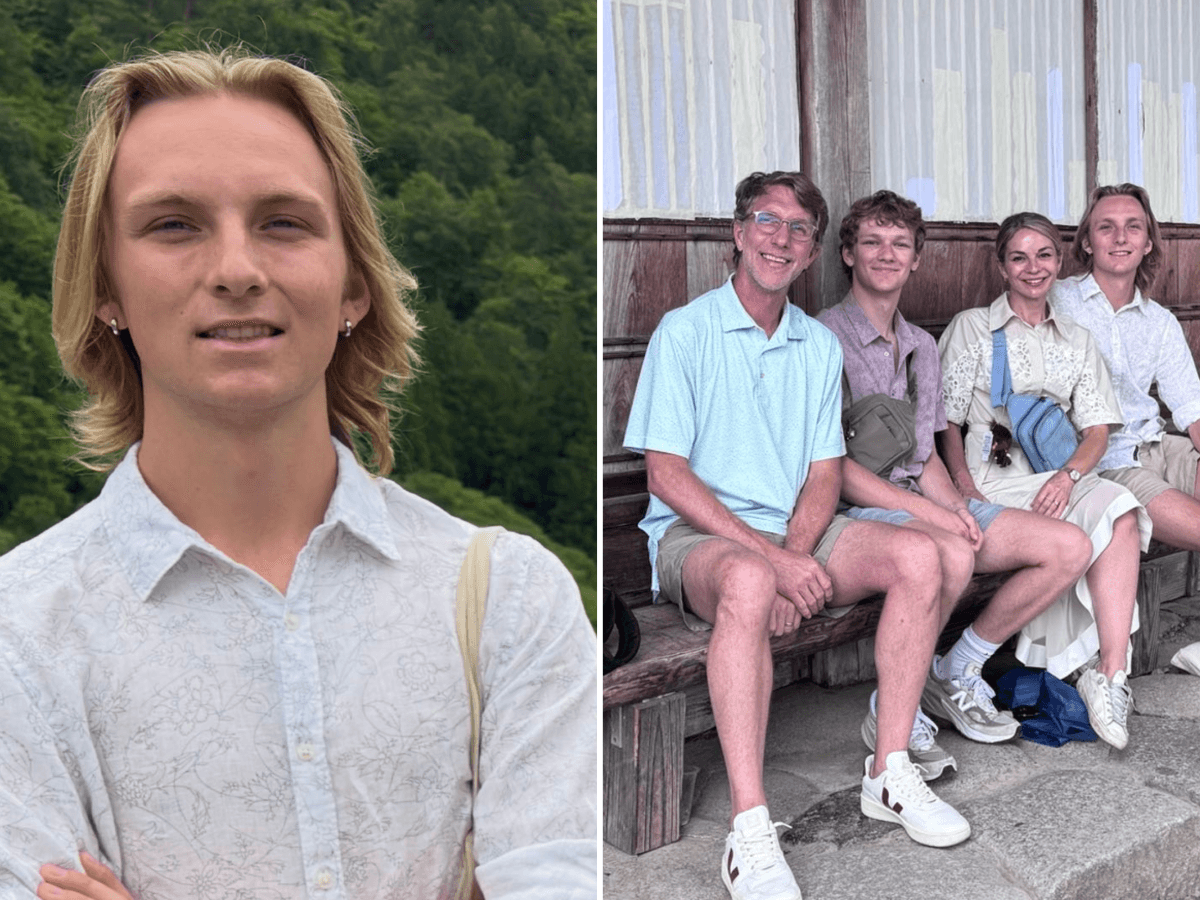
James “Weston” Higginbotham’s family is still trying to understand the heartbreaking end to a trip that began as a celebration and ended with an unimaginable loss.
The 20-year-old Auburn University student disappeared during a family vacation in Japan and was later found dead in a mountainous area outside Kyoto. Japanese authorities have said there is no indication of foul play, but the official cause of death has not been publicly released.
That silence has created a painful space for rumors, speculation, and online theories. But people close to Weston have pushed back against one of the darkest assumptions, saying they do not believe he would have intentionally harmed himself.
A family friend previously urged the public to stop turning Weston’s final days into speculation. Those close to the Higginbothams have said the family is grieving, still processing what happened, and should not be pressured to explain every detail before they are ready.
Weston had traveled to Japan with his parents, Nancy and Keith Higginbotham, and his younger brother, Grayton. The trip was meant to celebrate Grayton’s high school graduation, but Weston became separated from the family while they were in Kyoto.
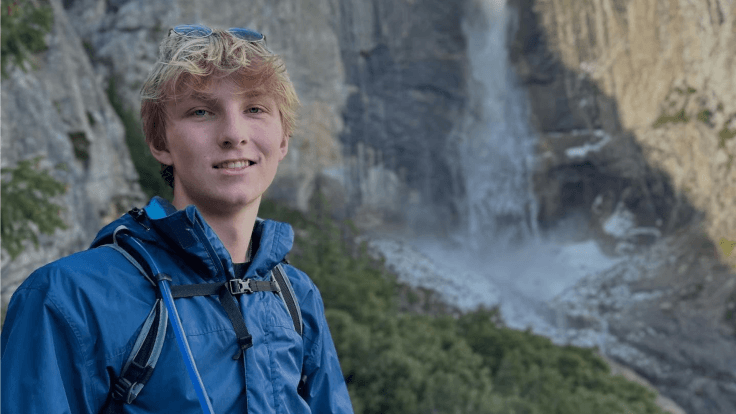
Reports say he was last seen leaving a train near Kyoto before search efforts began. His body was later found on June 6 in a remote mountainous area, ending days of desperate searching by authorities, volunteers, and loved ones.
After his body was returned home to Alabama, hundreds gathered at Asbury United Methodist Church in Birmingham for an emotional funeral service on June 17. Family members, classmates, friends, and community members came together to honor the life Weston lived.
Inside the packed church, speakers remembered him not by the mystery of his final days, but by the joy and energy he brought into every room. He was described as charismatic, compassionate, adventurous, and deeply connected to the natural world.
His cousin Eddie Higginbotham shared memories that captured Weston’s warmth and sense of adventure. Those who knew him said he had a way of making people feel included and valued, whether they were close friends, family members, or people he had only just met.
Another cousin, Lauren Higginbotham, spoke about the way Weston turned his beliefs into action. He did not simply talk about caring for the planet; he studied sustainability, lived with intention, and tried to make choices that matched his values.
At Auburn, Weston studied biosystems engineering with a focus on sustainability. He was also involved in the university’s climbing and triathlon teams, campus research, and Engineers Without Borders.
He had also been preparing for a service project in Bolivia connected to water distribution, a plan that reflected the future he was building before his life ended so suddenly.
Rev. Mike Holley told mourners that Weston’s ashes would be scattered at Oak Mountain State Park, a place he loved deeply. Two memorial benches will also be placed there in his memory.
The family has also established the James “Weston” Higginbotham Endowed Scholarship Fund for ecological engineering students at Auburn University. Through that scholarship, the work and values Weston cared about will continue helping others.
For his loved ones, Weston’s story is not defined by the unanswered questions surrounding Japan. It is defined by a bright smile, a love for the outdoors, a heart for people, and an unfinished future that his family is now trying to honor through memory, service, and the quiet places in nature where they believe he would still feel close.