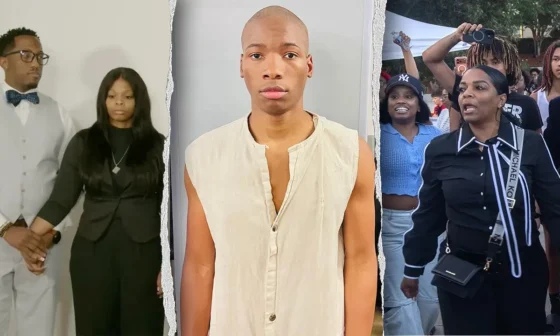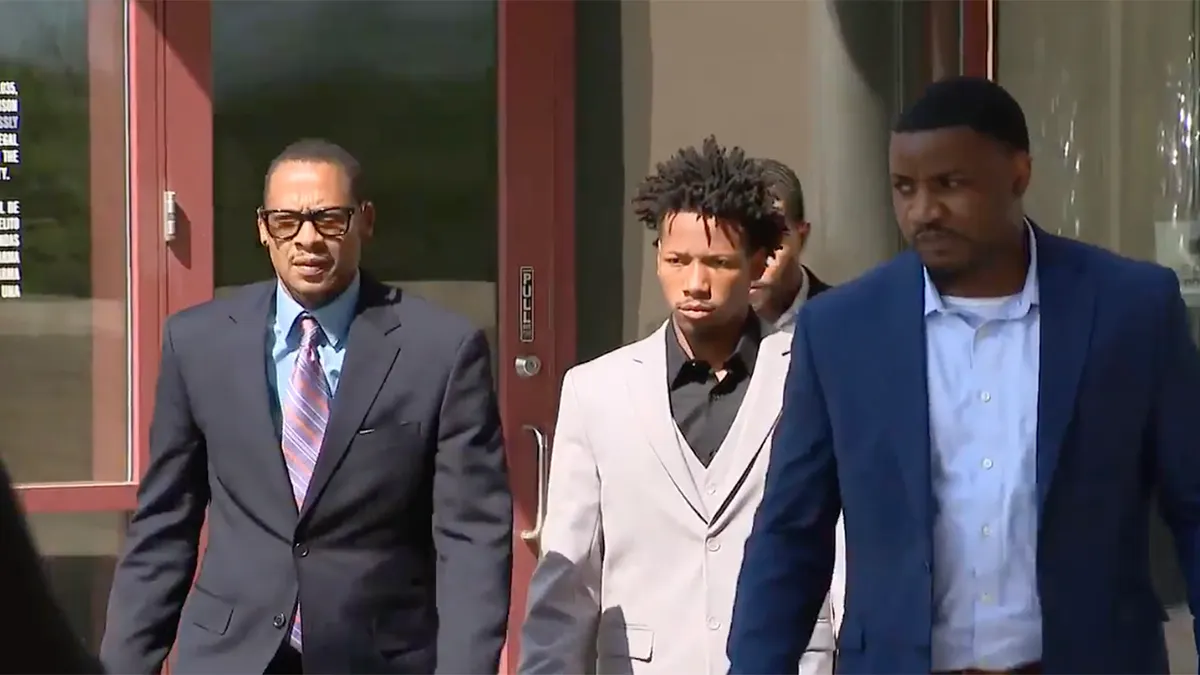
Karmelo Anthony’s appeal has opened a new controversy after court documents reportedly described him as unable to afford legal representation, despite his family previously raising more than $625,000 in public donations after his arrest.
Anthony, now 19, is serving a 35-year prison sentence after being convicted in the fatal stabbing of 17-year-old Austin Metcalf during a high school track meet in Frisco, Texas. He has since filed an appeal, asking the court for help with legal counsel as the next phase of the case begins.
The filing quickly drew attention because of the language used to describe his financial status. Reports said Anthony was listed as “penniless, destitute, and indigent,” a claim that immediately raised questions because of the large fundraiser connected to his legal defense.
The original GiveSendGo campaign reportedly raised $625,654 before it was unpublished after Anthony’s guilty verdict. A second fundraiser on GoFundMe was later launched but raised only a small amount before being removed due to the platform’s policy involving people charged with violent crimes.
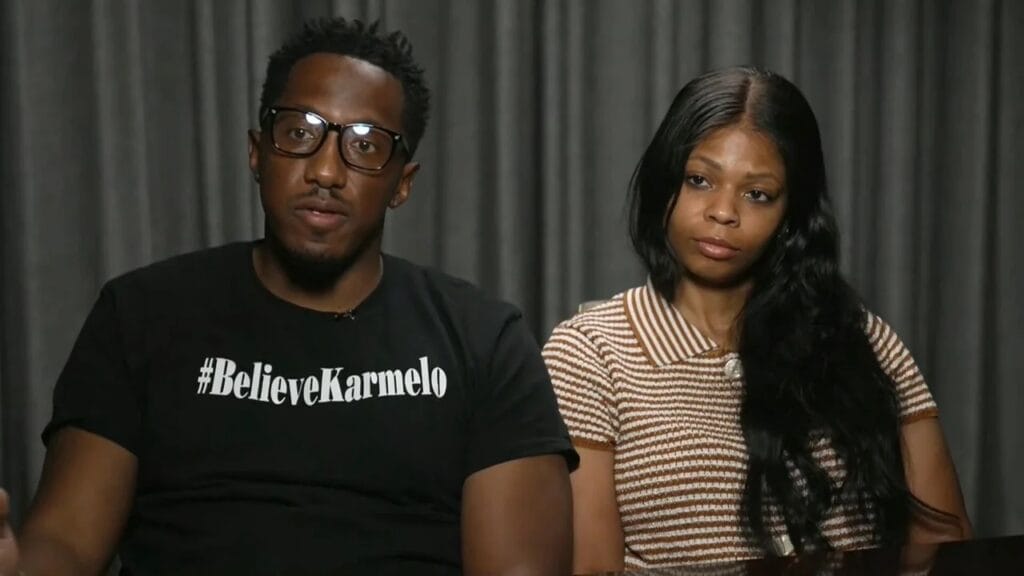
The family has also reportedly turned to merchandise sales as another way to raise money. That has only added to the criticism, with many people asking how new fundraising efforts can continue while Anthony is simultaneously telling the court he cannot afford an attorney.
Much of the backlash centers on where the original donations went. Anthony’s mother, Kala Hayes, previously acknowledged that some funds were used for living expenses, but the full breakdown of how the money was spent has not been made public.
Critics have pointed to reports about the family’s living arrangements and questioned whether the money was used mainly for legal defense or for broader personal expenses. Supporters may argue that legal costs, relocation, safety concerns, and daily needs can drain funds quickly, but the lack of clear accounting has kept the controversy alive.
The situation has also fueled debate over the trial strategy itself. Some commentators have questioned whether the large fundraiser affected the decision to reject a plea deal and take the case to trial, though that claim remains part of public speculation rather than a proven fact.
Anthony’s family has continued to argue that the trial was unfair, pointing to the jury’s racial makeup and other concerns surrounding the case. His father has also criticized legal advice the family received, while the involvement of activist voices around the case has drawn even more scrutiny from critics.
Now, as Anthony begins the appeal process from prison, the legal questions are being matched by financial ones. The case that once centered on self-defense and a fatal confrontation has now become a broader debate over fundraising, transparency, family decisions, and how more than $625,000 in donations turned into a court filing claiming Anthony cannot afford a lawyer.