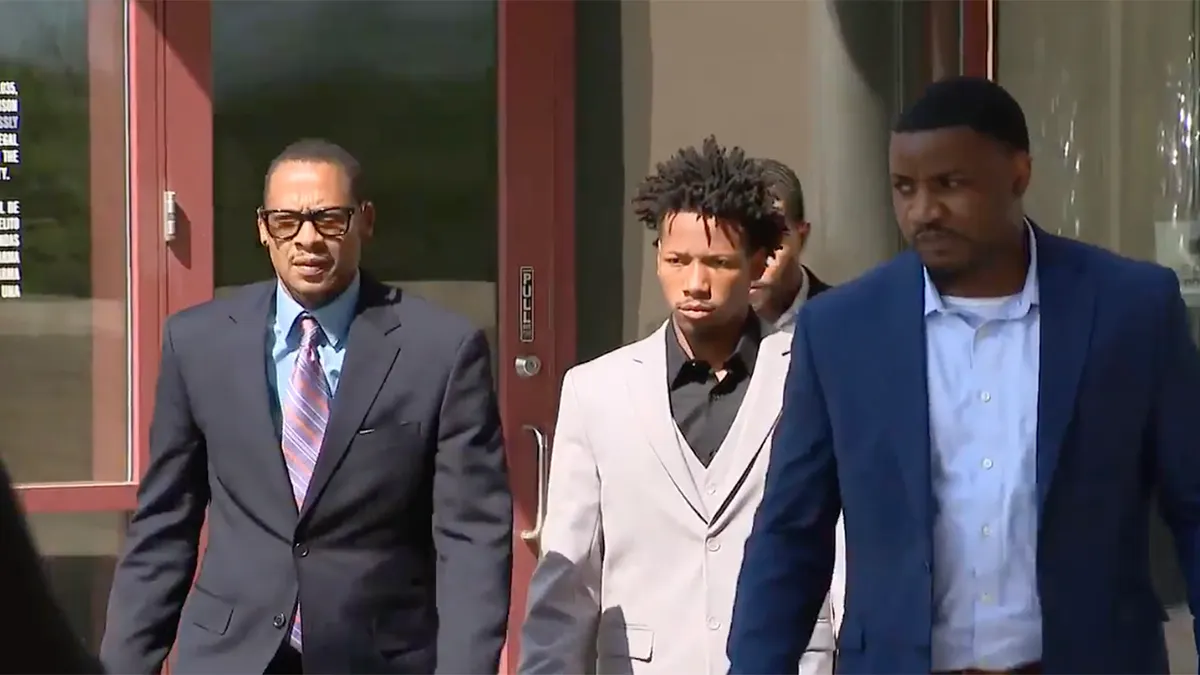
Karmelo Anthony’s case has entered a new stage after the 19-year-old filed an appeal following his murder conviction and 35-year prison sentence in the death of Austin Metcalf. But the appeal has also raised new questions after court documents reportedly described Anthony as unable to afford legal representation, despite an earlier online fundraiser that brought in more than $600,000.
Anthony was found guilty on June 9 in connection with the fatal stabbing of 17-year-old Austin Metcalf during a high school track event in Frisco, Texas, in April 2025. Jurors rejected his self-defense claim and later sentenced him to 35 years in prison.
According to reports, Anthony filed a notice of appeal the day after his conviction. In that filing, he asked the court to appoint an attorney for him, saying he did not have the financial means to hire legal counsel for the appeals process.
The wording in the court document quickly drew attention. Reports said Anthony was described as a “penniless, destitute, and indigent person,” language used to argue that he is too poor to pay for an attorney on appeal.
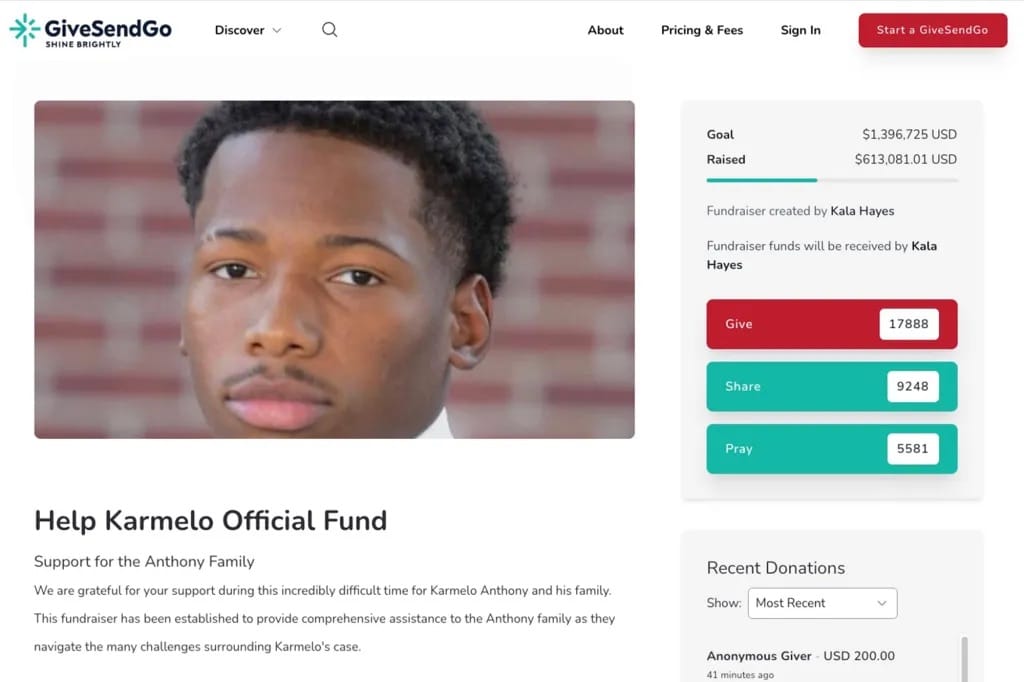
That claim has become controversial because an online fundraiser was created after Anthony’s arrest to support his legal defense and related needs. The campaign reportedly raised more than $615,000 before it was removed from the GiveSendGo platform.
According to reporting on the fundraiser, GiveSendGo said the campaign was taken down after Anthony’s conviction because it had been intended for pre-trial needs. The platform also said the money had already been disbursed over the past year before the campaign was closed.
The contrast between the large fundraising total and the new court filing has fueled debate online. Some critics are asking how Anthony can now claim he cannot afford a lawyer, while supporters argue that money raised for family relocation, legal costs, and safety needs does not necessarily mean Anthony personally has access to funds for an appeal.
The original case began during a track meet in Frisco, where witnesses said Metcalf asked Anthony to leave a tent area where he was seated. Court documents said the confrontation escalated when Metcalf tried to move Anthony, and Anthony stabbed him once in the chest.
Anthony reportedly told officers after the stabbing that he was protecting himself. His defense team argued self-defense during the trial, but prosecutors said the use of deadly force was not justified under the circumstances.
The case has continued to spark national debate over self-defense, race, jury selection, fundraising, and the legal process. For now, Anthony’s conviction and 35-year sentence remain in place, while the appeal begins and new questions over the removed fundraiser and his claimed financial status continue to follow the case.