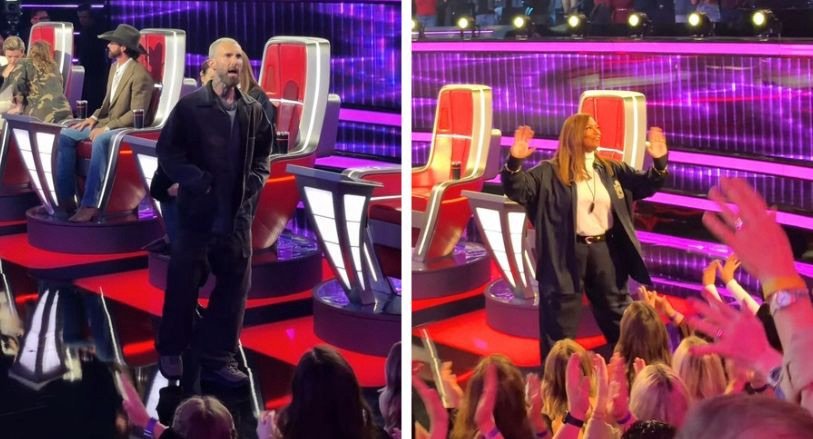
The Voice Season 30 is facing renewed criticism from viewers after another round of complaints emerged during the second Y2K-themed Live Show on Monday, November 16. As contestants from Teams Kelly Clarkson and Riley Green competed for the remaining positions in the Top 10, some fans became frustrated with the show’s new voting system. Concerns about early voting, limited voting windows, and difficulties accessing the live broadcast prompted questions about whether every contestant was receiving an equal opportunity to earn audience support.
The latest controversy followed similar complaints during the first Live Show on November 9, when viewers began adjusting to several changes introduced for the competition’s milestone season. Unlike earlier rounds, the Live Shows now allow audiences to determine which artists advance, with results announced before each episode concludes. The faster format has created additional excitement, but it has also raised concerns among viewers who believe the voting process should provide more time to evaluate every performance.
One of the biggest criticisms during Night 2 involved the decision to open voting before all contestants had completed their performances. Some viewers argued that allowing votes to be submitted early could influence the results before audiences had heard the entire lineup. They suggested that fans might support familiar contestants immediately rather than waiting to compare the performances delivered throughout the evening.
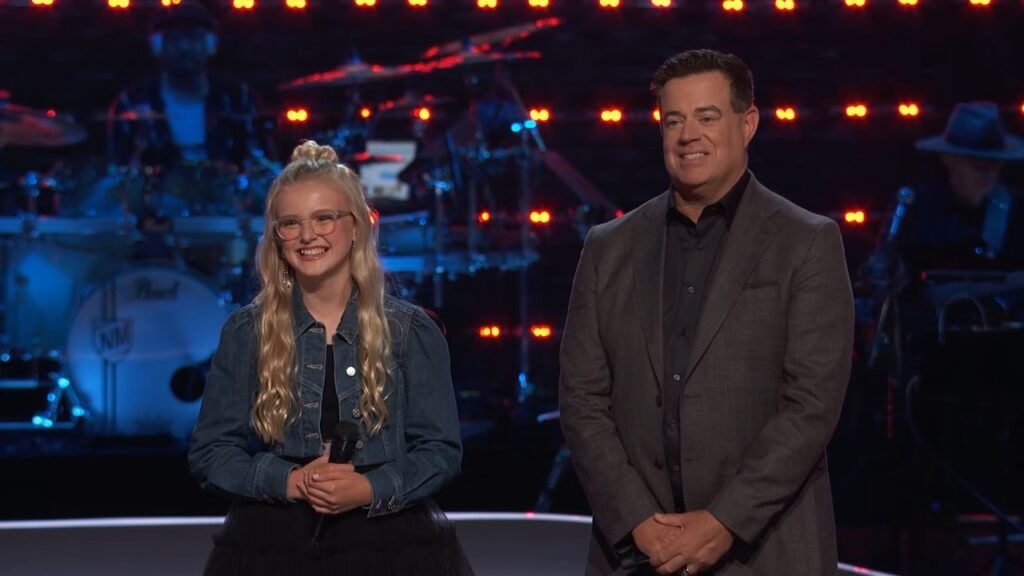
The frustration became particularly noticeable in online discussions, where several viewers questioned the fairness of the arrangement. One fan complained that voting before everyone had performed made the actual singing seem less important. Another raised the possibility that a viewer could change their opinion after watching a later performance, questioning how the system accommodated people who wanted to reconsider their choices.
For those viewers, the central concern was not simply the length of the voting window but the order in which contestants appeared. An artist performing near the beginning of the broadcast could potentially receive support from viewers who had not yet watched the other singers. Meanwhile, contestants scheduled later in the episode might have less time to attract votes based on their actual performances before voting closed.
The discussion also highlighted an important distinction between voting for a favorite contestant and judging individual performances. Many fans develop strong attachments to singers during the Blind Auditions, Battle Rounds, and Cut Week, making it natural for them to support familiar artists. However, critics argued that the Live Shows should give audiences an opportunity to consider what happens onstage that particular evening before making their final selections.

Another source of frustration involved changes to the voting methods themselves. For Season 30, NBC introduced voting through SMS text messages and TikTok, replacing the familiar voting option previously available through the official The Voice app. While the new methods were intended to make participation more accessible, some longtime viewers expressed disappointment about losing an app-based system they already understood.
One viewer specifically pointed out that the previous app provided notifications reminding fans when voting was available. Without those alerts, some supporters worried that they could miss the relatively brief voting period. The concern was especially significant because contestants now depend on audience participation to remain in the competition, making every voting opportunity important as the season approaches its finale.
The official voting window for the Live Shows begins at 9 p.m. Eastern Time and closes five minutes after the final performance. Eligible viewers can support artists through the designated text-message system or the show’s official TikTok voting post. Each method allows one vote per artist, and the results are announced during the same broadcast. These rules create a much faster elimination process than formats that allow voting to continue for several hours after an episode ends.
The controversy extended beyond voting rules when some West Coast viewers reported having difficulty accessing the November 16 broadcast. According to complaints shared online, certain viewers could not find the expected live episode on NBC or Peacock. One person reported seeing a news broadcast instead of The Voice, while another viewer in Utah described similar problems trying to access the competition.
Those reports raised additional questions about how the new nationwide live broadcast arrangement was working in practice. Season 30 introduced simultaneous broadcasts across American time zones so that viewers could watch performances and participate during the same voting window. However, fans who experienced access difficulties argued that the arrangement could leave them unable to watch contestants before voting ended.
The complaints do not establish that any contestant actually lost votes or was eliminated because of the reported problems. NBC has not confirmed that the voting system produced an unfair result during the November 16 episode. Nevertheless, the criticism reflects genuine frustration among some viewers who believe the competition should give every artist sufficient exposure and every eligible supporter a reasonable opportunity to participate.
With The Voice Season 30 continuing toward its December 14 finale, the debate over voting fairness is likely to remain part of the conversation surrounding the Live Shows. Contestants are facing increasingly difficult elimination rounds, while fans are adjusting to a faster format that combines performances, voting, and results within a single episode. Although the changes have created a more immediate viewing experience, the latest complaints demonstrate that some longtime supporters still want improvements that would allow them to watch every performance before deciding which singers deserve to advance.